
 简体中文
简体中文 Русский
 Français
 Português
 Español
 لالعربية

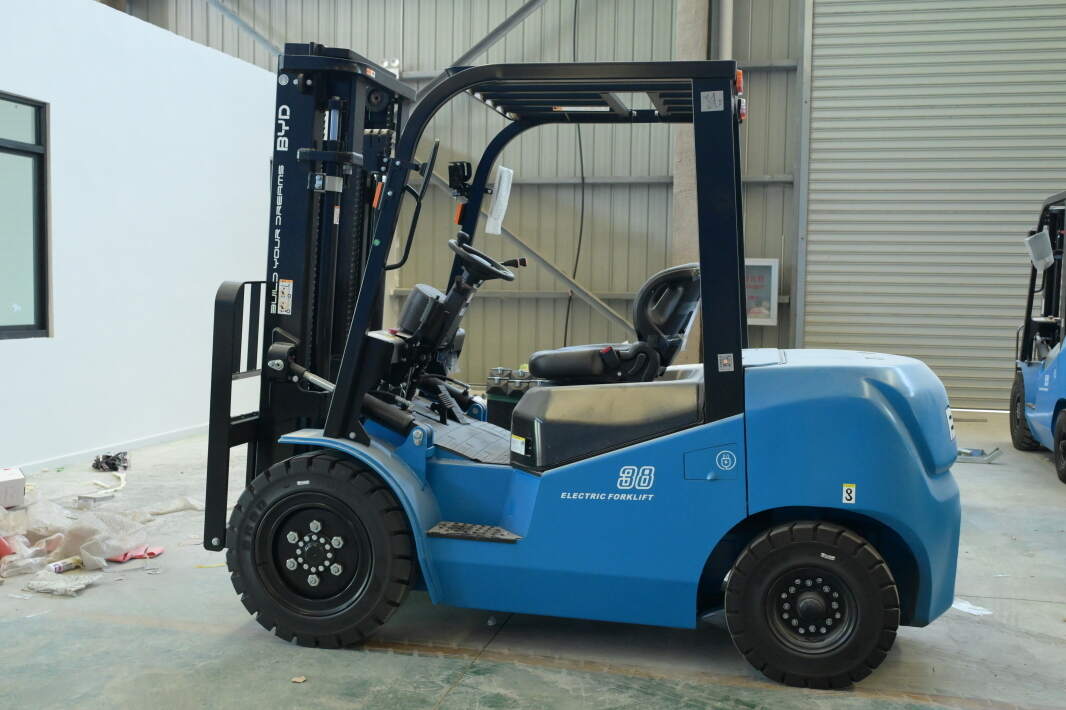
Before signing the contract for large-scale forklift procurement, conducting full-cycle performance evaluation on the sample machine is a critical step to avoid mismatched functions and unnecessary follow-up operational costs. A complete, standardized evaluation process can help teams verify the actual performance of the equipment rather than only referring to the nominal parameters listed on product brochures, to make sure the selected models can fit daily operational demands well.
First, carry out targeted load performance verification under actual working conditions. Instead of testing in a standard empty state, you can arrange forklift operators to use the sample machine to lift goods of different weights that cover 30% to 100% of the rated load, run full lifting and lowering cycles at different specified heights, and record the stability of power output during the whole process. You can also arrange continuous operation tests that last 4 to 8 hours in your actual storage or factory environment, track the real power consumption data, check whether there is obvious power attenuation after long-time high-load operation, and compare the measured endurance data with your daily operation schedule to confirm the battery life can meet the shift arrangement demand.
Second, finish the working condition adaptability test in your exclusive operation scenarios. Let the sample machine pass through all the paths that the follow-up batch of forklifts will use, including narrow access aisles, slight slope sections, and ground areas with uneven pavement or occasional wet marks. Test the steering flexibility, braking response distance, and low-speed control accuracy in these special scenes, check whether there is abnormal jamming, obvious abnormal noise or safety hidden risks during the operation process. Collect feedback from frontline forklift operators during the test, to confirm the operation logic of control levers, dashboard display and warning prompts are friendly enough for personnel to master within short-term training.
Third, complete simulated long-cycle aging test for performance stability verification. Arrange repeated high-load operation cycles that simulate the daily working rhythm of 1 to 2 full working days, check the temperature rise of key components such as drive motors, hydraulic systems and control panels after continuous operation, observe whether there is oil leakage, loose fasteners or abnormal wear of easily worn parts after the test. You can also check the convenience level of replacing daily wearing parts, evaluating the difficulty of routine maintenance work for your internal after-sales team.
After finishing all above test items, organize the test data into a complete assessment report, compare every measured indicator with the pre-defined procurement requirement, confirm all performance items meet the actual operational demand before launching the large-scale order procedure. This full assessment mechanism can effectively reduce procurement risk, extend the service life of forklifts in actual use, and bring stable operational benefit for the long term.


