
 简体中文
简体中文 Русский
 Français
 Português
 Español
 لالعربية

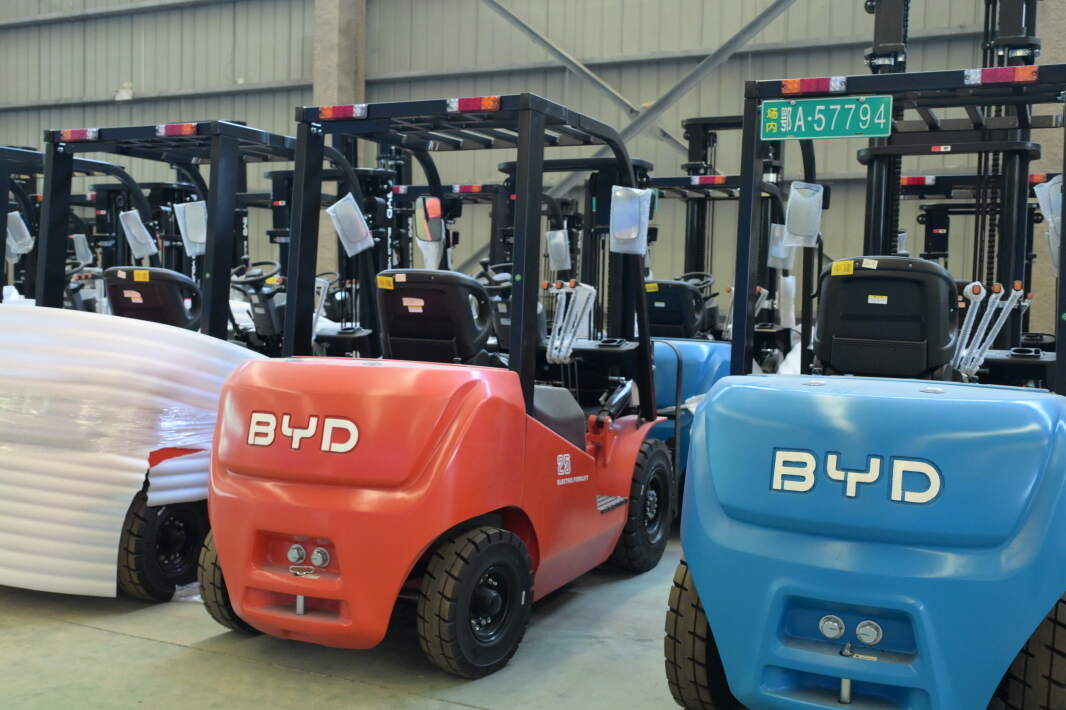
When launching a lithium-ion forklift project, most procurement teams prioritize battery performance, load capacity and unit price, but a mature after-sales service network is the core guarantee for long-term stable operation of the entire fleet. A flawed after-sales system may lead to unplanned downtime of handling equipment, disrupt daily logistics operation rhythm, and bring additional unplanned costs to the enterprise.
First, verify the geographical coverage of offline service outlets. You can sort out the actual operation points of your own project, including warehouse zones, production workshops and external transfer stations, and mark the location of each supplier’s registered service points on the map. You need to confirm whether each service outlet is equipped with full-time resident technicians, instead of relying on temporary external cooperative personnel. For projects covering multiple provinces or urban areas, you also need to confirm the service response scope of each outlet, to ensure that no operation area is excluded from the regular service coverage.
Second, audit the spare parts reserve system of the after-sales network. A standard qualified service network should have tiered spare parts warehouse layout, with core common wearing parts stored in local outlets, high-value and low-frequency fault parts stored in regional transfer warehouses. You can ask the supplier to provide the list of spare parts reserves corresponding to the service outlets near your project site, and check the historical inventory turnover data, to confirm that the supply of commonly used lithium battery components, controller parts and wearing parts of the gantry can be completed within the agreed time frame, no long waiting period caused by long-distance cross-region allocation.
Third, evaluate the service team’s professional competency level. All technicians in the supplier’s after-sales network should receive systematic professional training for lithium-ion forklift maintenance, pass corresponding practical operation assessments before taking up their posts. You can ask to review the training system documents and on-site assessment records of service personnel in the area where your project is located, and verify their familiarity with common fault troubleshooting of lithium battery packs, high-voltage safety operation specifications, and daily preventive maintenance processes. You can also ask for reference cases of similar local lithium-ion forklift projects served by the team, to learn about the actual operation feedback of past users.
Fourth, check the full-process service response mechanism. A sound after-sales service network should have a 7*24 hours consultation hotline, a clear hierarchical response process for different fault levels. For minor faults that do not affect normal use, the service team can provide remote guidance to solve the problem in the shortest possible time; for faults that require on-site processing, the arrival time of technicians should be clearly specified according to the geographical location of your project site, and the maximum solution cycle for different types of faults should be clarified in the formal service agreement. You can also add the after-sales service network assessment items as a clear clause in the supplier bidding evaluation system, assign corresponding weight scores to different assessment dimensions, to avoid subjective judgment deviation, and select the supplier partner that can provide stable and reliable long-term operation support for your lithium-ion forklift project.


