
 简体中文
简体中文 Русский
 Français
 Português
 Español
 لالعربية

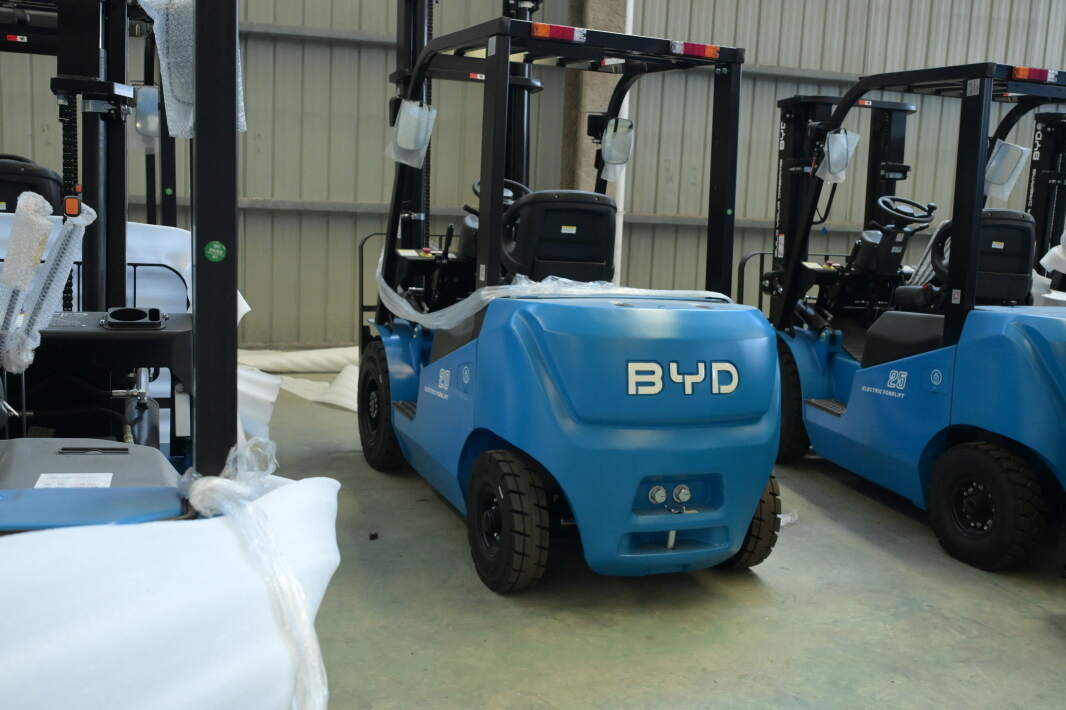
With the continuous popularization of new energy material handling solutions, more enterprises choose to deploy lithium forklifts to replace traditional internal combustion or lead-acid forklifts. Many purchasers tend to focus on parameters such as load capacity, endurance and on-site test effect in the procurement process, while easily ignoring the two core factors of product update rhythm and component supply cycle, which may cause unnecessary extra cost and operation delay in the subsequent long-term use process.
When it comes to product update related matters, purchasers are advised to confirm the formal iteration plan of the supplier before signing the procurement contract. It is not recommended to purchase the batch of products that will be delisted in a short cycle, which may lead to insufficient matching of subsequent technical documents and special accessories support. Buyers can sort out the specific optimization content of different updated versions, including the adjustment of operation interface, endurance improvement, and scene-adapted function expansion, and choose the product model that best matches their own operation scenarios, instead of blindly pursuing the latest launched version. For scenarios with low frequency and short-distance handling, conventional stable models can fully meet the operation demand, which can effectively avoid unnecessary cost overflow. It is also necessary to confirm the technical support cycle of the supplier for the currently purchased model. Regular service providers usually reserve 3 to 5 years of technical support for discontinued models, and confirming this information in advance can avoid the problem of no matching parameter guidance when minor failures occur in the later stage.
For the component supply cycle part, purchasers should clarify the stocking situation of different components with suppliers at the initial stage of procurement. Regular wearing parts such as solid tires, operation handles and emergency stop switches can usually be delivered within 48 hours with local stock preparation in the service point. For core components such as power modules and electric control units without local stock, it is necessary to confirm the longest estimated supply cycle in advance. Combined with the number of self-owned lithium forklifts and the daily operation intensity, the enterprise can make a reasonable spare parts stock plan, set a safe stock threshold for common vulnerable parts, and avoid long waiting for parts supply after equipment failure which will slow down the overall warehouse turnover efficiency.
Enterprises can also combine the two factors to make a overall deployment plan. If it is confirmed that the purchased model will not have major iterative updates within 12 months, the batch procurement plan can be arranged smoothly. For high-load operation scenarios that cannot be shut down for 24 hours, you can reserve 1 to 2 sets of core vulnerable spare parts locally in advance, and sign a priority supply agreement for parts with the supplier. This arrangement can not only control the comprehensive procurement cost, but also minimize the probability of unplanned downtime of equipment, helping enterprises to complete the electric transformation of material handling smoothly.


