
 简体中文
简体中文 Русский
 Français
 Português
 Español
 لالعربية

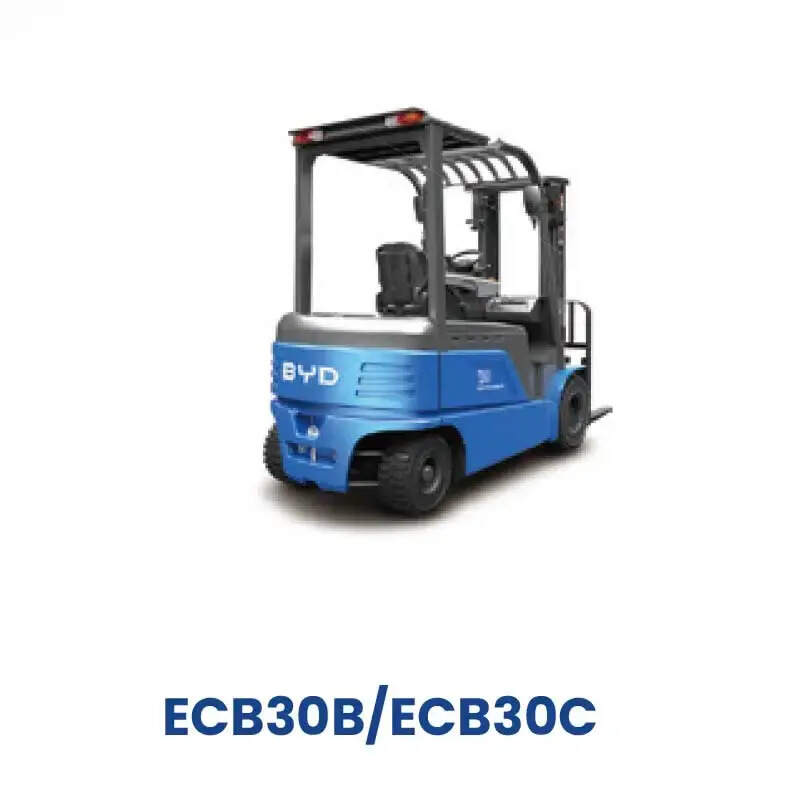
First, sufficient acceptance criteria for newly delivered electric forklift equipment can effectively avoid unqualified equipment being put into daily operation, reduce hidden safety risks in material handling work, and ensure stable operation of subsequent warehouse and logistics workflows. The whole acceptance process can be divided into several standardized links without redundant procedures.
The first link is document and supporting part verification. Before starting any physical inspection, staff should check all delivered documents first, including complete operation manual, regular maintenance guide, factory qualification certificate, and full list of attached spare parts and special tools. Confirm that all documents and accessories are fully consistent with the agreement in the procurement contract, no important content is missing, and complete basic information of the equipment can be traced through the provided files.
The second link is appearance and assembly status check. Walk around the whole equipment to check whether the body surface has obvious collision damage or unqualified paint process, confirm that all structural components including overhead guard, fork frame and vehicle frame have no deformation, crack or assembly deviation, check the running wheels for serious wear or damage, and confirm that all exposed fasteners are in fastened state without obvious looseness. All warning labels and operation identification pasted on the body should be clear and pasted at the corresponding specified position.
The third link is dynamic performance test. Power on the equipment after confirming the static structure is normal, first test no-load operation performance: check the forward, backward, steering and braking functions of the equipment, confirm that the speed regulation process is smooth without abnormal stutter or strange noise. Then conduct load test within the rated load range, verify that the lifting and tilting movement of forks meet the specified parameter requirements, the braking distance is within the safe and reasonable range, and the display of instrument panels including power indicator and overload reminder can work normally.
The last link is safety configuration validation. Check each safety component one by one, confirm that the emergency power off switch, parking brake, overspeed limit device, reverse audible alarm and travel limit device can be triggered effectively, no safety function failure exists. After all inspection items are confirmed to meet the preset requirements, the acceptance confirmation document can be signed, and the equipment can be formally incorporated into the daily operation management system.


