
 简体中文
简体中文 Русский
 Français
 Português
 Español
 لالعربية

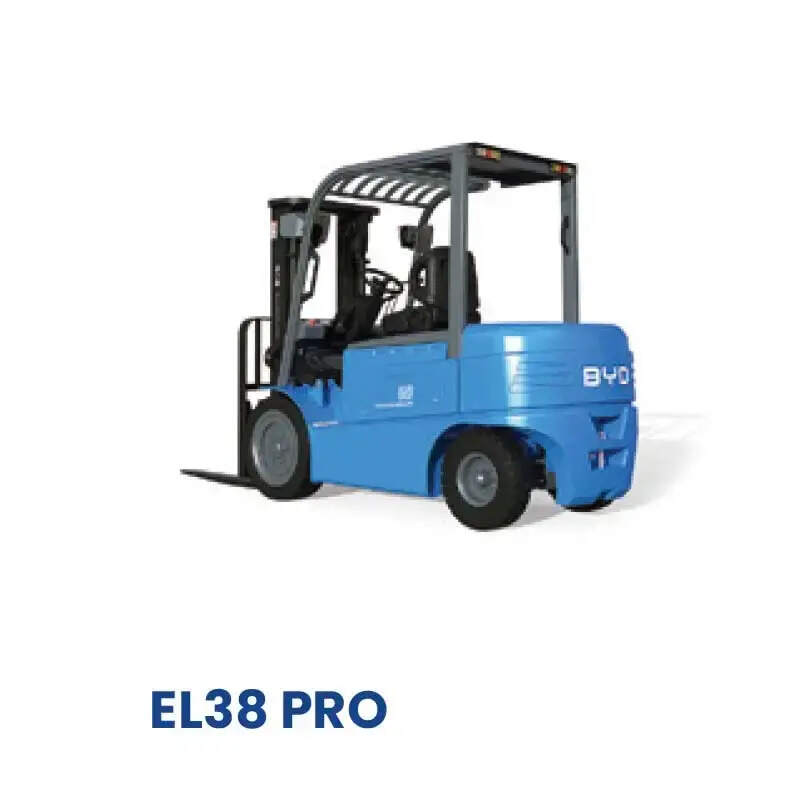
During the procurement process of lithium-ion forklifts, demand variation is a very common scenario when teams are about to submit formal RFQ documents. The variation may come from temporary adjustment of warehouse operation shifts, update of cargo load standards, adjustment of storage shelf height, or newly added special operation scenarios such as cold room access. If these variations are not properly handled before formal submission, it will lead to mismatch between the received supplier quotations and actual operation needs, cause repeated communication and reissuing of RFQ files, and reduce the overall procurement efficiency.
The first step to properly handle demand variation is to carry out full cross-department alignment before finalizing the RFQ draft. Organize personnel from warehouse operation team, equipment maintenance team, financial management team and safety management team to conduct two rounds of demand verification, sort out all updated demand points generated in the recent period, and classify them according to core parameters including load capacity, continuous working hours, attachment configuration, and applicable site environment. All confirmed variation contents should be recorded in a unified document, to avoid information deviation caused by scattered oral transmission.
The second step is to set flexible demand levels in the RFQ document according to the sorted variation content. Instead of listing only one set of fixed parameter standards, you can divide the requirements into three parts: mandatory basic requirements, optional upgrade requirements and reserved adjustment space. For all the variable parts that may be adjusted in the subsequent period, you can ask suppliers to give corresponding reference quotations separately, so that you can directly compare different schemes after confirming the final demand, without needing to modify and reissue the whole RFQ file.
The third step is to add clear variation response rules in the additional terms of the RFQ document. Clarify the reasonable response cycle for requirement adjustment, the standard for additional cost accounting of non-core parameter changes, and the floating range of delivery period corresponding to different demand levels, so as to eliminate potential information asymmetry between the procurement side and suppliers in the early stage. It is also recommended to reserve 3 to 5 working days of buffer time before the planned submission date, so that there is enough time to check all the updated demand points again to avoid missing details.
Following these operational procedures can effectively reduce the negative impact of demand variation on the lithium-ion forklift RFQ submission process, help the procurement team obtain more targeted supplier feedback, and lay a good foundation for subsequent selection of cost-effective lithium-ion forklift products that fit actual operation scenarios.


