
 English
 简体中文
 Русский
 Português
 Español
 لالعربية


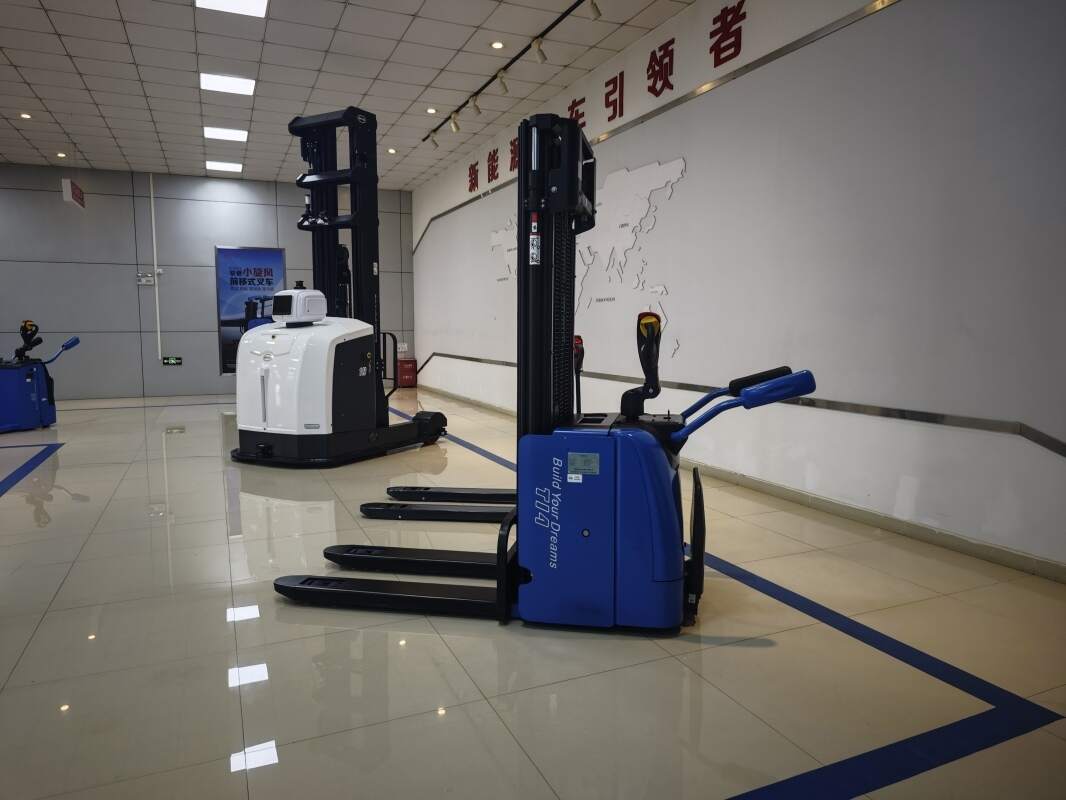
Against the backdrop of growing demand for low-carbon and high-efficiency indoor logistics operations, electric forklifts have gradually become one of the most widely used material handling equipment in various industrial storage scenarios. For warehouse managers and equipment operators, mastering systematic knowledge of electric forklift application can effectively reduce operating risks, optimize workflow and improve the overall utilization rate of handling equipment.
Core Functional Advantages of Electric Forklifts
Different from traditional internal combustion handling equipment, electric forklifts rely on electric energy as the power source, which will not produce exhaust emissions during the operation process, making them more suitable for closed indoor storage spaces with high requirements for air quality. The overall noise level during the operation of electric forklifts is relatively low, which can effectively reduce noise interference to surrounding working personnel, and create a more comfortable working environment for the staff working in the warehouse for a long time. Most electric forklift models have relatively compact body structure, which can adapt to narrow aisle operation scenarios in high-density shelf warehouses, and complete the stacking, shifting and handling of goods in limited space smoothly.
Standard Operation Guidelines for Daily Use
Before each formal operation, operators need to complete a pre-inspection process, check the remaining power of the power system, the flexibility of the lifting structure, the sensitivity of the brake device and the normal operation of the lighting prompt function. During the operation process, operators need to control the driving speed within the safe range adapted to the site conditions, avoid sudden acceleration or sudden braking, and keep a safe distance from surrounding shelves, personnel and other equipment. When carrying out stacking operations, operators need to adjust the fork spacing to match the specifications of the goods to be transported, keep the center of gravity of the goods within the stable load range of the fork, and avoid tilting the goods during the lifting and moving process to prevent slipping and falling of the goods.
Daily Maintenance Suggestions to Optimize Equipment Performance
After the daily operation task is completed, operators need to park the electric forklift in the designated parking area, lower the fork to a low horizontal position, cut off the power supply of the whole equipment in time, and complete the appearance cleaning work to remove the dust, sundries and residual cargo debris attached to the body and wheel surface. For the power system, it is necessary to arrange regular inspection and charging work in accordance with the operation manual, avoid long-term over-discharge or overcharge of the power unit, and check the tightness of the connecting lines regularly. Regularly check the wear degree of the tire, brake pad and hydraulic parts, and arrange replacement and maintenance when abnormal wear is found, so as to keep the equipment in a stable working state for a long time.


