
 English
 简体中文
 Русский
 Português
 Español
 لالعربية


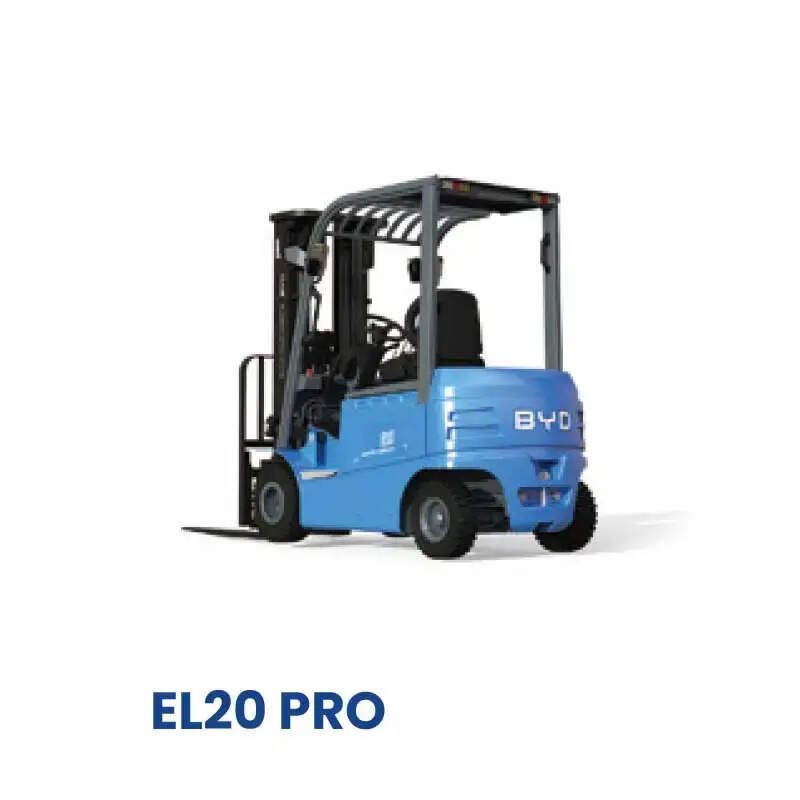
As low-carbon logistics and refined warehouse management develop rapidly, electric forklifts have become one of the most widely used material handling equipment in the modern industrial sector, and mastering relevant professional knowledge can help operators improve work efficiency while reducing unnecessary operation risks.
Core Advantages of Modern Electric Forklifts
Compared with traditional internal combustion handling equipment, electric forklifts run with lower noise, produce no exhaust emission, and can adapt to relatively enclosed indoor working environments. Their overall energy consumption cost is relatively controllable in long-term use, which matches the current low-carbon operation requirements of most warehouse operation systems. Most current models adopt modular design for key components, which brings more convenience for subsequent daily inspection and part replacement work.
Standard Daily Operation Specifications
Before formal operation, operators need to conduct full pre-check on key parts including the power system, brake structure, lifting mechanism and warning indicator, and confirm no hidden safety risks before starting the equipment. During the operation process, operators need to keep the load within the rated load range, avoid sharp turning or rapid lifting and lowering actions under high load state, and remind surrounding staff to keep a safe distance through warning devices when working in areas with crowded personnel. After each shift, operators need to park the equipment in the specified designated area, lower the fork to the horizontal position, cut off the main power supply, and do a simple cleaning of the equipment surface.
Routine Maintenance Guidelines for Extended Service Life
Daily maintenance work can be divided into daily shift check, weekly regular inspection and quarterly professional maintenance. For the power system, operators need to regularly check the connection tightness of the power interface, avoid long-term over-discharge or over-charge behavior, and keep the surface of the power unit dry and clean. For the walking and lifting transmission structure, regular lubrication and wear degree inspection should be carried out, and timely adjustment should be made if abnormal part wear is found. Regular maintenance work can effectively reduce the probability of sudden equipment failure, and extend the overall service cycle of the equipment.
Applicable Scenario Optimization Suggestions
Electric forklifts are suitable for multiple scenarios including indoor finished goods warehouse, cold chain storage, food processing workshop and retail distribution center. When used in high humidity or low temperature scenarios, targeted adjustment of the maintenance frequency of key electrical components is needed to ensure the stable operation of the equipment. Operators can also adjust the corresponding operation parameters according to the actual operation requirements of the site, to give full play to the use value of the equipment.


