
 English
 简体中文
 Русский
 Português
 Español
 لالعربية


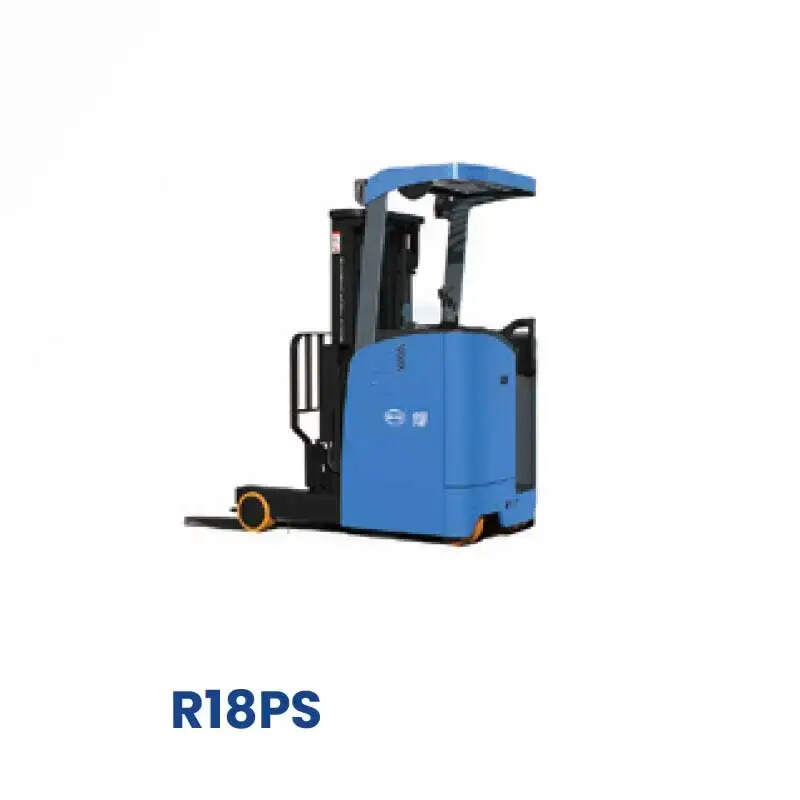
As the global warehousing and logistics industry accelerates the transition to low-carbon operation, electric forklifts have become one of the most widely applied material handling equipment in indoor and closed working scenarios, for their features of low noise, zero on-site emission and relatively low daily operating cost. Many frontline operators and warehouse managers still lack systematic practical guidance to maximize the use value of such equipment and avoid unnecessary component wear.
Core Daily Operation Norms for Electric Forklifts
In daily operation, operators need to complete pre-start checks before each shift, including confirming the remaining power level, the flexibility of steering and braking system, and the structural integrity of load forks. It is not recommended to operate the equipment beyond the rated load range for a long time, as extra load will bring additional pressure to the motor and battery pack, which may cause accelerated aging of core components. Operators should also avoid frequent sharp acceleration and sharp deceleration on uneven roads, to reduce unnecessary power consumption loss and abrasion of mechanical parts.
Routine Maintenance Checkpoints for Long-term Stable Performance
For the core power system, operators should follow official guidance to complete charging operations in a ventilated and dry environment, avoid repeated overcharging or full power depletion of the battery pack. The equipment surface should be cleaned regularly to remove accumulated dust and sundries stuck in heat dissipation gaps, to guarantee the heat dissipation efficiency of the motor and controller. The lubrication points of transmission and movable connection parts should be refilled with professional lubricant on schedule, to reduce friction loss between metal components.
Scenario-based Optimization for Higher Working Efficiency
For long-hour continuous operation scenarios, enterprises can arrange reasonable shift handover time to reserve proper rest and charging window for the equipment, to avoid continuous operation beyond the recommended working duration. For narrow aisle working scenarios, operators can adjust the corresponding operating parameter mode properly to adapt to the narrow space passage, to improve passing safety without reducing operation speed too much. Following the above guidance can help reduce unnecessary equipment failure rate, extend the overall service cycle of electric forklifts, and deliver more stable output for daily material handling work.


