
 English
 简体中文
 Русский
 Français
 Português
 لالعربية


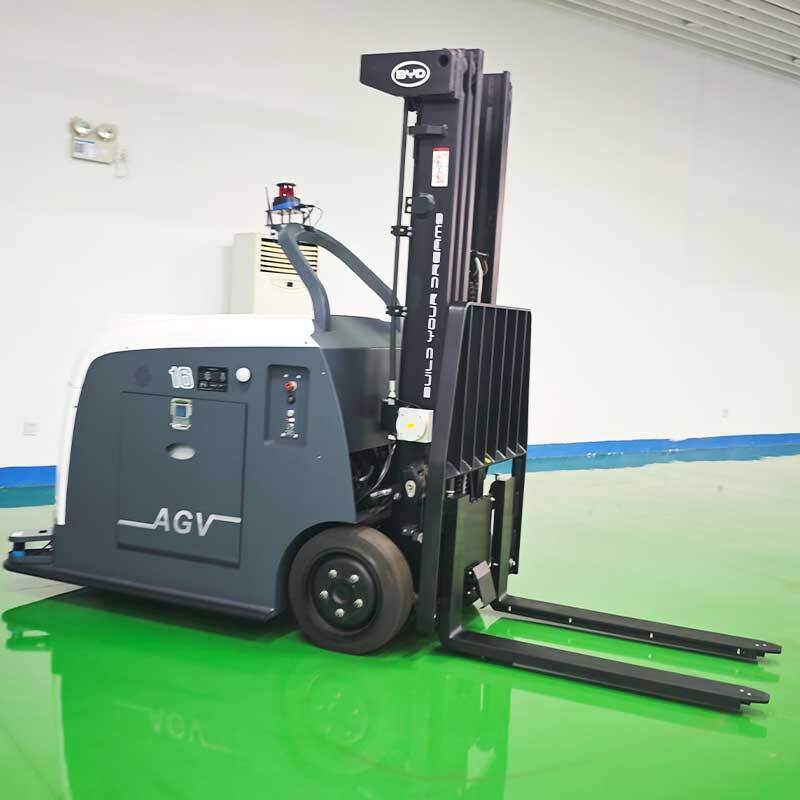
As low-carbon logistics solutions gain wider popularity across global industrial scenarios, electric forklifts have become a core piece of equipment for most warehouse, port and manufacturing material handling processes. Mastering correct operation and maintenance knowledge helps operators give full play to the equipment’s performance while reducing unnecessary operating costs.
Core Operating Norms for Daily Use
Before starting the equipment each shift, operators need to check the remaining power level, brake sensitivity, steering flexibility and tire surface condition first, to eliminate hidden risks before formal operation. During the operation process, operators should avoid sudden acceleration and sudden braking as much as possible, keep a safe distance from surrounding personnel and stacking goods, and do not carry out over-load handling beyond the rated load range for a long time. When the equipment gives a low power warning, operators should arrange to return to the designated charging area in time, instead of forcing the equipment to work with insufficient power for a long time. Operators should also avoid long time continuous operation under high temperature or heavy humidity environment, to prevent damage to the built-in circuit system.
Routine Maintenance Points to Extend Service Life
Daily maintenance work can be divided into shift-based inspection, weekly inspection and monthly standardized overhaul, most of which do not require complex professional tools for basic completion. Operators should wipe the surface of the equipment body and dust on the motor heat dissipation part after each shift, avoid the accumulation of sundries affecting the heat dissipation effect. The battery pack, as the core power component, should avoid overcharging and excessive discharge, and the dust and oil stains on the surface of the battery shell should be cleaned regularly to keep the heat dissipation channel unobstructed. Operators should also regularly check the lubrication degree of the transmission connection parts, and add special lubricating oil on time according to the equipment operation manual to reduce component wear.
Common Safety Operation Precautions
All operators need to receive professional pre-job training before operating the electric forklift, and can only carry out related operations after mastering the basic operation logic. During the operation, the lifting height of the goods should not exceed the safe range specified in the operation manual, to avoid the risk of goods falling or the equipment tipping over. When the equipment is not in use, the fork should be lowered to a safe position, the power supply should be cut off in time, and the hand brake should be pulled to avoid accidental sliding. Operators should not carry extra personnel on the forklift body during the whole operation process, to avoid unexpected safety risks.


