
 English
 简体中文
 Русский
 Français
 Português
 لالعربية


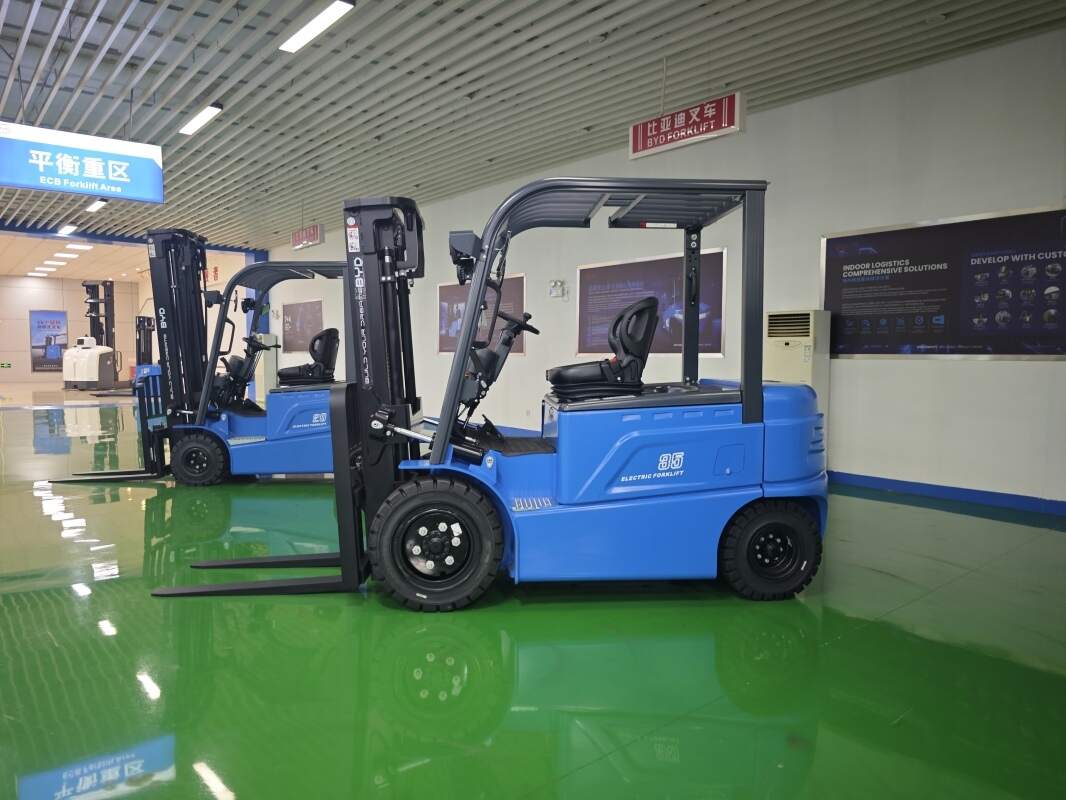
As low-carbon logistics continues to spread across global supply chains, electric forklifts have become one of the most widely used material handling equipment in indoor warehouses, distribution centers and light industrial parks. For frontline operators and equipment managers, mastering standardized usage and maintenance knowledge can effectively reduce unnecessary wear, lower long-term operation cost and improve overall work safety performance.
Core Operating Specifications for Daily Use
Before starting any operation, operators need to complete basic pre-checks including power level confirmation, brake sensitivity test, tire surface condition check and surrounding obstacle scanning, to avoid hidden risks in subsequent handling processes. During the operation, operators should keep the load center within the allowable range specified by the equipment parameter, avoid sudden acceleration or sudden stop action when carrying heavy loads, and keep the lifting height of the cargo fork at the lowest safe navigation height when driving on non-cargo stacking routes. When the operation is completed, operators need to park the equipment in the designated area, lower the cargo fork to contact the ground, cut off the main power supply and arrange the on-site operation records properly.
Routine Low-Cost Maintenance Practices
Different from internal combustion handling equipment, electric forklifts focus more on the maintenance of power system and electrical components. Daily cleaning work should avoid using high-pressure water gun to directly wash the electrical connection parts, to prevent short circuit caused by residual water stains. Operators can wipe the surface of electrical components with dry soft cloth on a daily basis, and check the tightness of connection terminals regularly according to the actual operation frequency. For the power battery module, it is recommended to complete the full charge and discharge cycle according to the official specification, and avoid long-term power loss storage which may affect the overall cycle life of the battery pack.
Scenario Adaptive Application Suggestions
In narrow aisle warehouses, operators can adjust the operation speed to a lower gear according to the actual channel width, to avoid scratching the surrounding shelves or stored goods. For outdoor operation scenarios with stable and flat road surface, it is allowed to appropriately increase the driving speed within the parameter specified range, but the equipment should avoid long-term exposure to direct rain or strong sunlight. For users that need to run the equipment for more than 8 hours per day, it is recommended to arrange reasonable shift handover and charging schedule, to ensure continuous and stable operation of the logistics handling link.


