
 English
 简体中文
 Русский
 Français
 Português
 لالعربية


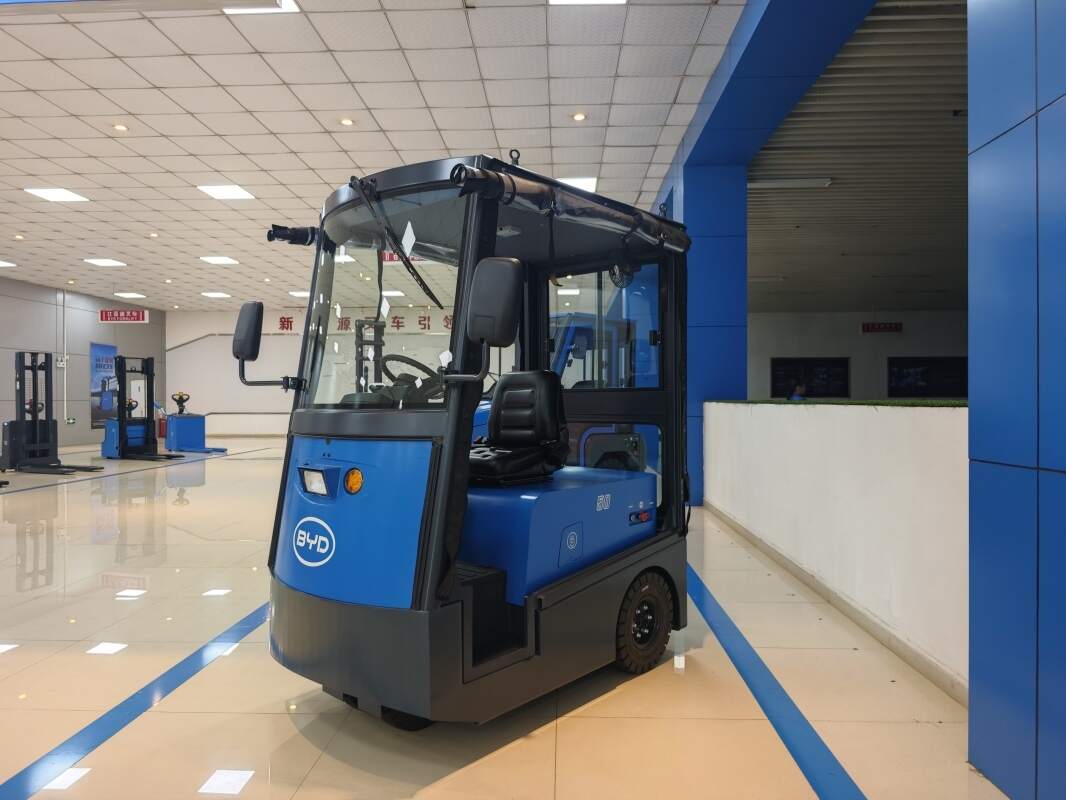
As the logistics and warehousing sector continues to pursue low-carbon and high-efficiency development, electric forklifts have gradually become one of the most widely used material handling equipment in indoor and semi-outdoor operation scenarios. As a professional practitioner with years of experience in the electric forklift industry, this article sorts out practical, industry-recognized usage and management guidelines to help operation teams make full use of equipment value, reduce unnecessary operating costs, and improve overall work efficiency.
Core Performance Characteristics of Electric Forklifts for Scenario Matching
Unlike traditional internal combustion handling equipment, electric forklifts rely on battery power output, produce no exhaust emission during operation, and run with relatively low noise, which is more suitable for closed warehousing environments, food and pharmaceutical storage scenarios that have strict requirements on air quality, and operation areas that restrict fuel vehicle access. Different configuration types of electric forklifts can match different load weights, lifting heights and operation channel widths, and operation teams can select appropriate equipment specifications according to their actual operation scale, instead of blindly pursuing excessive load parameters that will cause unnecessary resource waste.
Standardized Operation Habits to Improve Usage Efficiency
During daily operation, operators need to carry out pre-operation inspection work before starting the equipment, including checking the remaining power level, the flexibility of the lifting and steering system, and the intact state of the tire and protection structure, and report any abnormal situations to the management team in time instead of forcing the equipment to run. During the handling process, operators should avoid overloading the goods beyond the rated load range, keep the goods stable on the fork arms, and avoid sharp steering or sudden braking when the vehicle is running at a relatively high speed, so as to reduce the wear of the power system and walking components. When the equipment is not in use, the fork arms should be lowered to the lowest safe position, the power supply should be cut off in time, and the equipment should be parked in the designated charging and storage area.
Routine Maintenance Work to Extend Equipment Service Cycle
The daily maintenance of electric forklifts focuses on the inspection and maintenance of the power battery system, the electrical connection structure and the transmission components. The battery should be charged in accordance with the specified operation procedures, avoid over-discharging or long-term under-power storage, and keep the surface of the battery clean and dry to avoid short circuit caused by moisture accumulation. The electrical connection points should be checked regularly to avoid poor contact caused by long-term vibration, and the lubrication points of the transmission and walking system should be filled with lubricating oil on schedule to reduce component friction loss. Regular professional inspection and maintenance work can effectively reduce the probability of sudden equipment failure, and help enterprises control the overall equipment operation cost in a reasonable range.


