
 English
 Русский
 Français
 Português
 Español
 لالعربية


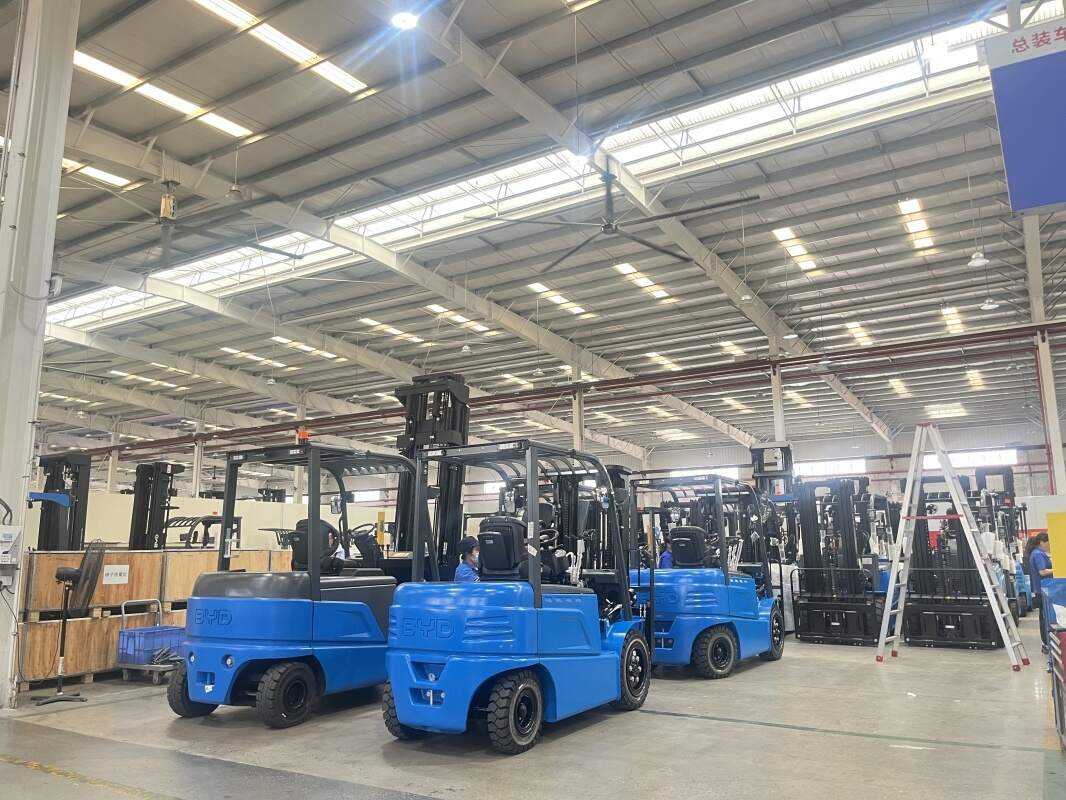
As low-carbon logistics equipment gains wider popularity in the industrial material handling sector, electric forklifts have become one of the most commonly used transport tools in modern warehouses, manufacturing workshops and distribution centers. Reasonable mastering of relevant usage rules and management knowledge can help operators give full play to the equipment’s performance in actual work.
Core Performance Characteristics of Electric Forklifts in Industrial Scenarios
Different from traditional internal combustion handling equipment, electric forklifts are driven by electric power systems, which generate no tail gas emission during operation, and produce relatively low running noise. Such features make them more suitable for closed working spaces that have strict requirements for air quality and operation comfort, such as indoor food storage warehouses, pharmaceutical production workshops and e-commerce sorting centers. The equipment’s operation sensitivity is relatively high, which can meet the precision handling demand for frequent access of small and medium-sized goods within a limited operation space.
Standardized Operation Essentials for Daily Use
Before starting each operation, operators need to check the remaining power level, the flexibility of the steering system and the sensitivity of the braking device first. During the operation process, operators should control the driving speed according to the surrounding environment, avoid sudden acceleration or sudden stop, and keep a safe distance from surrounding personnel and stacked goods. When carrying goods, keep the goods in the center of the fork arm as far as possible, to avoid the risk of side tilt caused by unbalanced load. Do not carry over-height goods that block the operator’s front view, if necessary, arrange special personnel to guide the operation on site.
Conventional Maintenance Points to Reduce Equipment Wear
After each shift of operation, operators need to wipe the surface dust and residual sundries of the equipment, check the abrasion condition of the tire, and charge the power supply according to the specified operation process. Do not leave the equipment in a state of power depletion for a long time, which will affect the overall service life of the power system. Carry out regular professional inspection for key components such as the lifting hydraulic device and the driving motor every certain working cycle, and replace the worn parts in time according to the actual loss situation.


