
 English
 Русский
 Français
 Português
 Español
 لالعربية


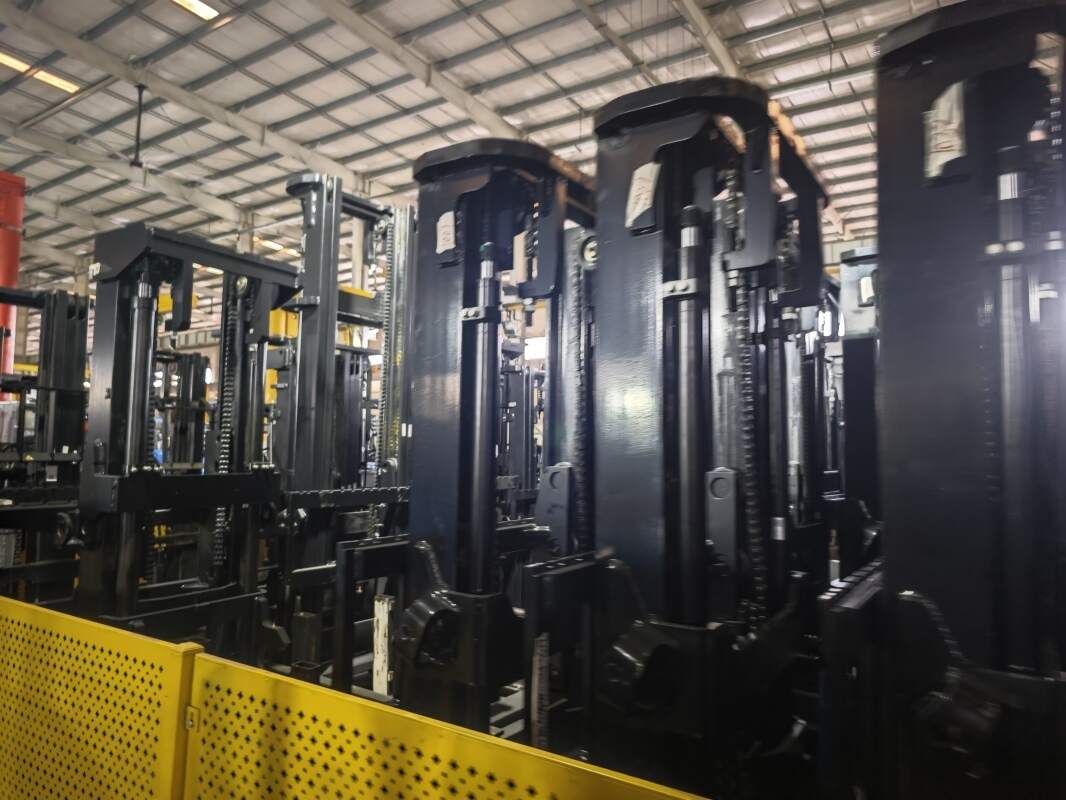
Against the background of rising attention to low-carbon logistics operations across the material handling sector, electric forklifts have gradually become a preferred equipment option for most indoor and enclosed working scenarios in recent years. Mastering relevant professional knowledge of this type of equipment can help frontline operators and warehouse managers maximize its application value under different working conditions.
Core Functional Advantages of Electric Forklifts
Unlike fuel-powered counterparts, this type of equipment generates zero on-site exhaust emissions during operation, which effectively avoids air pollution in enclosed warehouse spaces and reduces the risk of respiratory discomfort for long-term working staff. Its overall operation noise level is far lower than that of traditional internal combustion equipment, which helps maintain a relatively quiet working environment and reduces the interference to other warehousing operation processes such as inventory checking and personnel communication. Most models adopt a centralized control design for the power system, which makes the overall operation response more sensitive, and the operation threshold for new operators is relatively low after systematic basic training.
Standardized Operation Specifications for Daily Use
Before each shift operation, operators need to conduct a basic inspection of key components including the braking system, lifting mechanism, tire condition and remaining power level, and report any abnormal signs found in time instead of forcing the equipment to work under faulty status. During the operation process, the load weight should be kept within the rated load range specified in the equipment manual, and sudden acceleration, sharp turns and sudden braking actions should be avoided as much as possible when the fork carries heavy goods, to prevent the goods from slipping and causing unnecessary safety risks. When the equipment is parked after work, the fork should be lowered to the horizontal position close to the ground, the power supply should be cut off, and the hand brake should be pulled tightly to avoid accidental sliding.
Routine Maintenance Tips to Extend Service Life
The power battery pack is the core component that determines the continuous working performance of the equipment, and users should follow the official guidance to complete charging operations in a dry, cool and well-ventilated designated area, and avoid overcharging or long-term power loss storage. The dust and debris accumulated on the surface of the equipment body and the heat dissipation structure should be cleaned regularly, to prevent the blockage of the heat dissipation channel from affecting the normal operation performance of the motor and control circuit. Regularly apply a small amount of professional lubricant to the movable connection parts of the lifting gantry to reduce the friction loss between metal components. Reasonable application and regular maintenance of electric forklifts can effectively reduce the long-term operating cost of warehousing material handling, and create a more stable and efficient working condition for related logistics operation scenarios.


