
 English
 Русский
 Français
 Português
 Español
 لالعربية

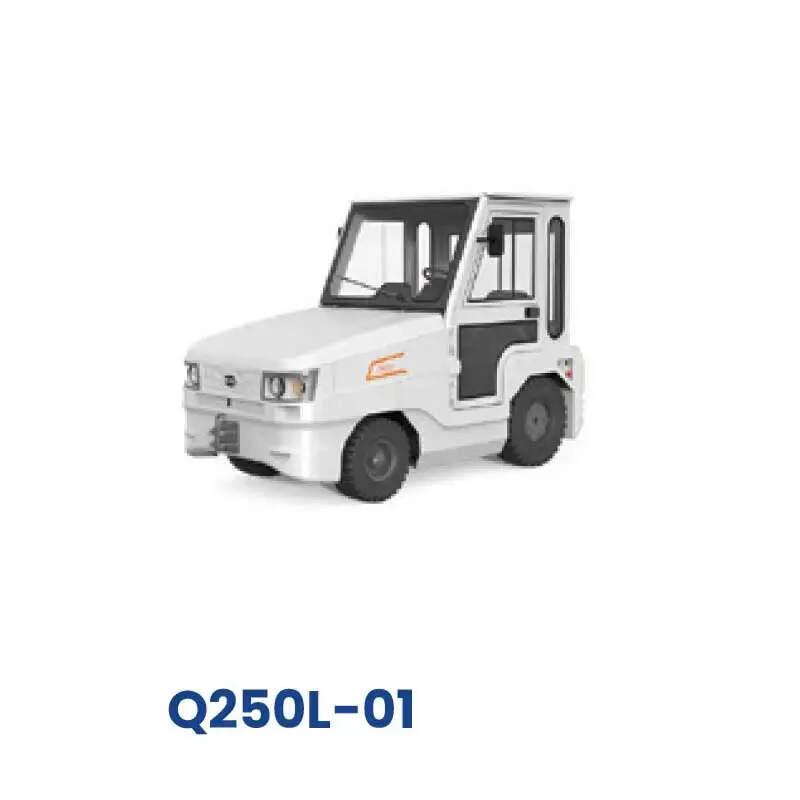
Against the backdrop of global low-carbon transformation in logistics and manufacturing sectors, electric forklifts have become one of the most widely applied core equipment for indoor material handling, thanks to their low noise, zero local emission and relatively low long-term operating cost. Many operators still fail to tap the full potential of their electric forklift fleets due to lack of systematic operational and maintenance knowledge, leading to unexpected downtime and shortened equipment service cycle.
Core Pre-Operation Inspection Protocols
A standardized pre-use inspection process forms the basic foundation of stable daily operation of electric forklifts. Operators are suggested to check the remaining battery level before starting the shift, confirm that there is no visible leakage on hydraulic pipelines, test the flexibility of the braking system and steering mechanism, and verify the normal working state of all safety warning lights. These quick checks take no more than 3 minutes for each unit, but can effectively avoid most sudden malfunctions that may occur during subsequent high-intensity handling tasks.
Scientific Operation Habits for Higher Efficiency
Cultivating gentle and standardized operation habits can significantly reduce unnecessary energy consumption and wear of core components. Operators can avoid frequent sharp acceleration and emergency braking during normal driving, keep the load strictly within the rated bearing range of the equipment, and plan the driving path in advance to reduce detour and waiting time in narrow warehouse aisles. For long-distance transfer tasks, arranging reasonable shift rotation for different drivers can also prevent operation fatigue that may cause unintended equipment collision or damage.
Routine Maintenance Rules for Long-Term Stability
Formulating a periodic and targeted maintenance schedule helps extend the overall service life of electric forklifts without extra unnecessary cost. It is recommended to clean the heat dissipation components of the motor regularly, check the tightness of all wiring connectors to avoid poor contact, and follow the official operation specifications to conduct proper maintenance for the battery pack, preventing situations of excessive discharge or long-term overcharging. Operators can also record the daily operation status of each unit, so as to spot potential hidden problems at an early stage before they develop into big faults that take long time to fix. For different scenarios ranging from small-sized storage rooms to large distribution centers, these systematic operational and maintenance measures can help operators create a safer, more efficient and more cost-effective material handling system with their electric forklift fleets.


