
 English
 Русский
 Français
 Português
 Español
 لالعربية

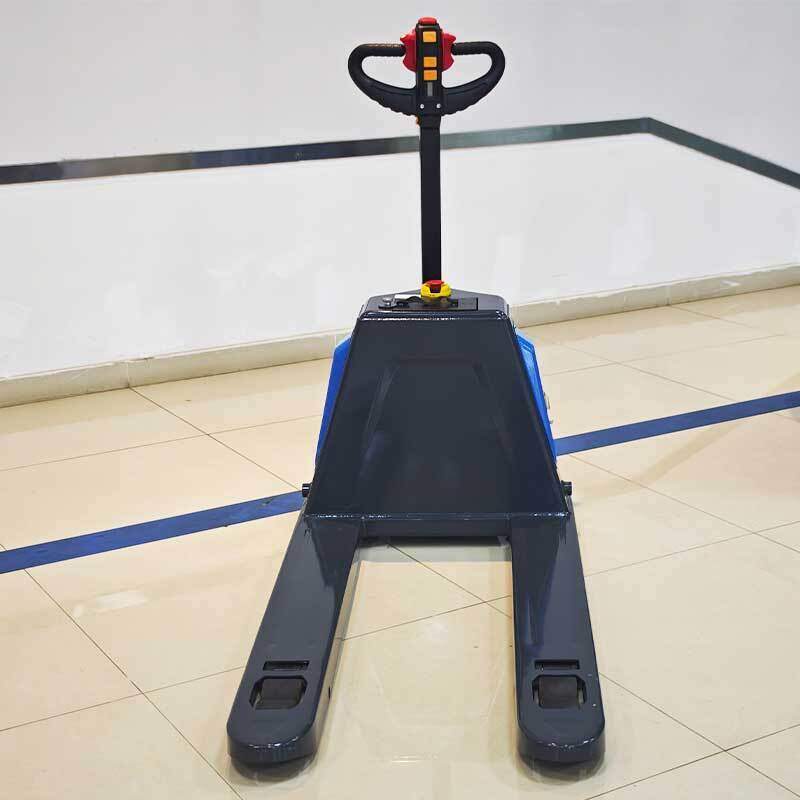
As the logistics and warehousing industry continues to pursue low-carbon, low-noise operation solutions, electric forklifts have become one of the most widely used material handling equipment in indoor working environments in recent years. Mastering correct operation and maintenance knowledge can help staff give full play to the performance of such equipment under safe preconditions.
Core Performance Characteristics of Electric Forklifts
Different from traditional internal combustion handling equipment, electric forklifts rely on on-board energy storage units to provide power output, which produces no tail gas emission during the whole working process, and the noise generated in operation is far lower than that of fuel-powered products. Such equipment is more suitable for closed or semi-closed warehouse, cold chain storage, pharmaceutical production workshop and other scenarios that have high requirements for working environment, and the operation sensitivity can meet the handling needs of frequent short-distance material transfer.
Standard Operation Specifications for Daily Use
Before starting the equipment every day, operators need to check the remaining power status, brake sensitivity, tire surface condition and fork deformation degree first, and confirm that there is no hidden danger before formal operation. During the operation process, staff need to control the driving speed according to the on-site environmental conditions, keep a safe distance from surrounding personnel and goods, and avoid overloading beyond the rated load range for a long time. When the equipment is running on the ramp, operators should keep the goods facing the uphill direction, and do not turn on the slope to avoid side slipping risk.
Routine Maintenance Suggestions for Long-term Use
After daily work, operators need to park the equipment in the designated charging area, turn off the power switch in time, and clean the dust and debris accumulated on the surface of the body and the driving wheel. The energy storage unit should be charged according to the specified operation process, and avoid over-discharging or long-term full power storage which may affect the overall service life. Regularly check the tightness of the connecting parts of the hydraulic lifting system, and add special lubricating oil to the movable connection position on schedule, to ensure the stability of the lifting and descending process of the goods. Following the above operation and maintenance rules can help enterprises reduce the failure rate of electric forklifts, create a safer working environment for front-line operators, and obtain higher cost performance in long-term equipment use.


