
 English
 Русский
 Français
 Português
 Español
 لالعربية

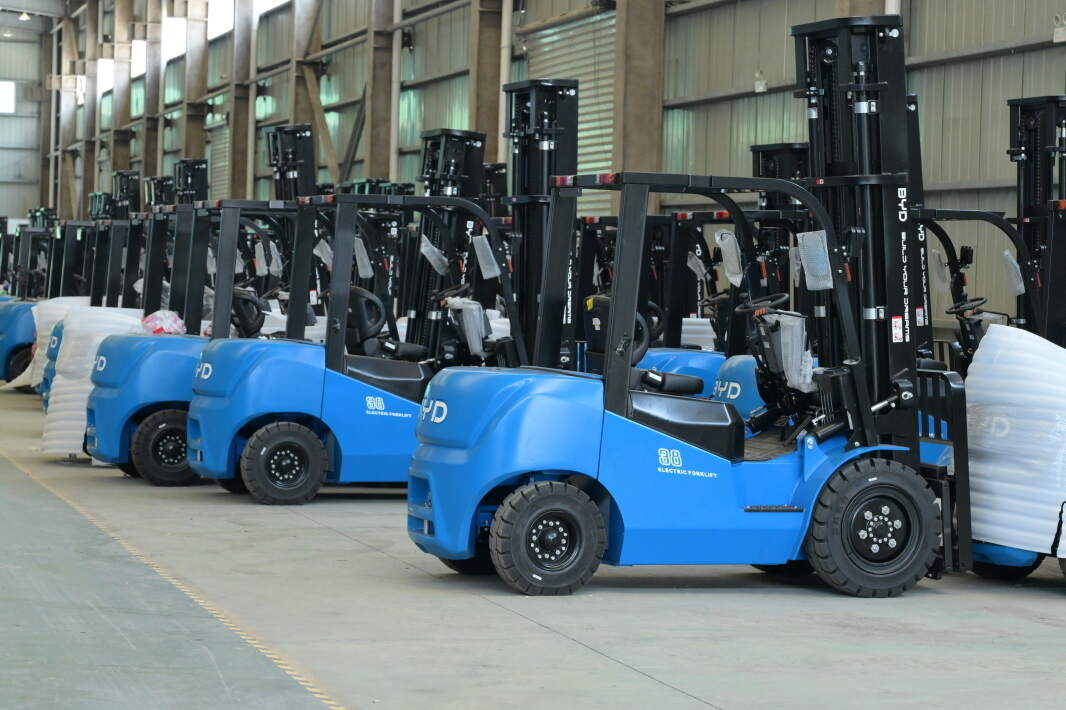
Against the backdrop of growing demand for low-carbon and low-noise material handling solutions, electric forklifts have become a popular choice for most modern warehouse and industrial logistics scenarios. Compared with traditional internal combustion handling equipment, they produce no tail gas emission during operation and create a more comfortable working environment for on-site staff, while their proper operation and regular management can further maximize their use value for enterprises.
Core Operation Specifications for Daily Use
Before starting any shift operation, operators need to complete a full pre-check on the equipment, including checking remaining battery level, flexibility of steering system, braking performance, and surface integrity of forks to avoid hidden risks in subsequent operations. During the operation process, operators should strictly follow the rated load limit of the equipment, avoid placing heavy goods in an uneven position that may cause tilt of the vehicle body. It is not recommended to turn the vehicle sharply on sloped surfaces, and no extra person shall be carried on the pallet or working platform of the forklift unless with special supporting safety devices. Gentle start, stop and steering movements can effectively reduce wear of core transmission parts and lower the risk of goods falling accidentally.
Routine Maintenance Practices to Extend Equipment Lifespan
The power battery of electric forklift is one of the core components that require regular care, operators should avoid overcharging or deep discharging the battery for a long time, and complete the charging process in a well-ventilated designated area away from high temperature sources. Staff in charge of equipment management should regularly remove accumulated dust on the surface of drive motor and electric control components, and add appropriate lubricant to the designated lubrication points on the traveling system and lifting system on a regular schedule. It is advisable to arrange a full system functional inspection at least every 3 months, to identify potential minor faults in advance and avoid unexpected downtime during peak operation periods.
Efficiency Optimization Tips for Long-term Operation
Enterprises can combine their own warehouse operation flow to arrange electric forklift operation routes reasonably, which can effectively reduce unnecessary repeated driving and cut extra power consumption. It is also recommended to arrange centralized charging in non-peak operation hours, to avoid interrupting normal material handling work due to insufficient power in the middle of the peak shift. Regular standardized training for operators can also reduce misoperation that may cause unnecessary wear of parts, helping to lower the overall long-term operation cost of the whole fleet.


