
 English
 简体中文
 Русский
 Français
 Português
 Español


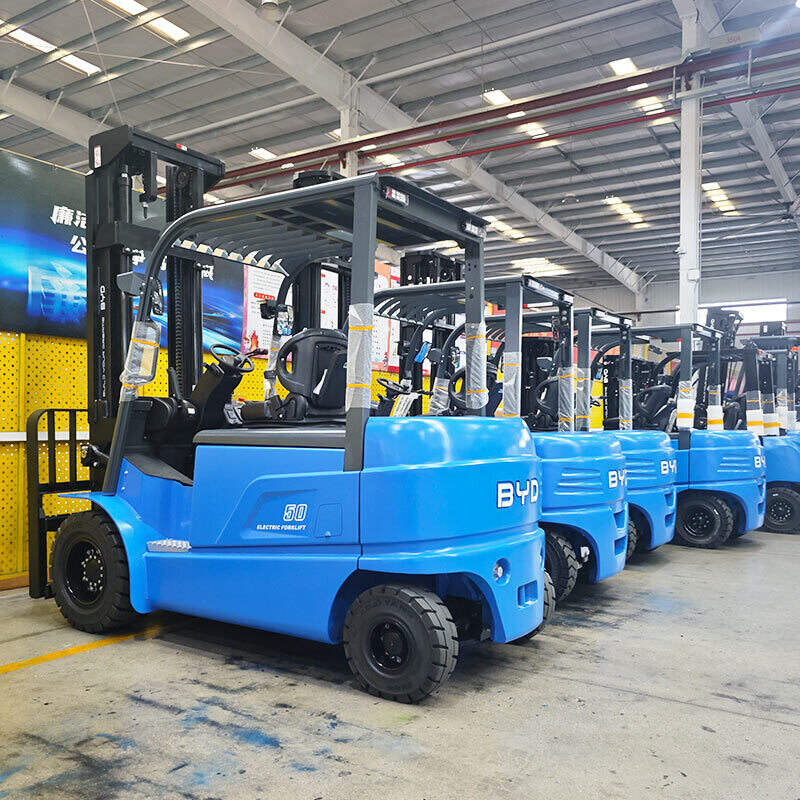
As low-carbon logistics and standardized material handling become core development trends across industrial sectors, electric forklifts have been widely adopted in warehouses, manufacturing workshops, cold storage and port distribution areas for their low noise, zero local emission and flexible maneuverability features. Mastering systematic operation and management knowledge can help operation teams fully tap the value of this equipment, reduce unnecessary wear and lower long-term operating costs.
Core Operation Specifications for Daily Use
Before starting any operation, operators need to complete pre-shift inspection procedures, covering the status of the power system, brake performance, tire pressure, lifting mechanism and safety warning devices. It is necessary to strictly follow the rated load parameter during operation, avoid sudden steering or emergency braking when carrying heavy cargo, and maintain a safe distance from surrounding personnel and stacked goods in the working area. For long-distance transfer, keep the lifting height of the fork at the lowest allowed safety position to avoid cargo falling risks. Operators should also receive regular standardized training to adapt to changes in different working environments and reduce misoperation risks.
Routine Preventive Maintenance Tips
Reasonable daily maintenance can effectively extend the service cycle of electric forklifts and reduce unexpected downtime. After each shift, operators need to clean the dust and sundries attached to the body and heat dissipation parts, check the remaining power level of the battery, and arrange charging according to the corresponding operation guidelines to avoid deep power loss that damages the battery performance. For the transmission and lifting parts, arrange regular lubrication according to the usage frequency, check the wear degree of easily worn parts such as brake pads and fork rollers regularly, and replace the parts in time when the wear value reaches the specified threshold. It is not recommended to modify the internal structure or power system of the equipment without professional technical support.
Scenario Matching for Improved Operational Efficiency
Different working scenarios have different requirements for the configuration of electric forklifts. For narrow channel warehouses, models with smaller turning radius can effectively improve the utilization rate of storage space, while for cold storage working environments, it is necessary to select equipment with special protection treatment for core electrical components to adapt to low temperature conditions. Operation teams can arrange the scheduling path of electric forklifts reasonably according to the peak period of cargo handling, reduce the waiting time of equipment in no-load state, and coordinate the handover procedures between different shifts to ensure the continuity of material handling work.


