
 English
 简体中文
 Русский
 Français
 Português
 Español


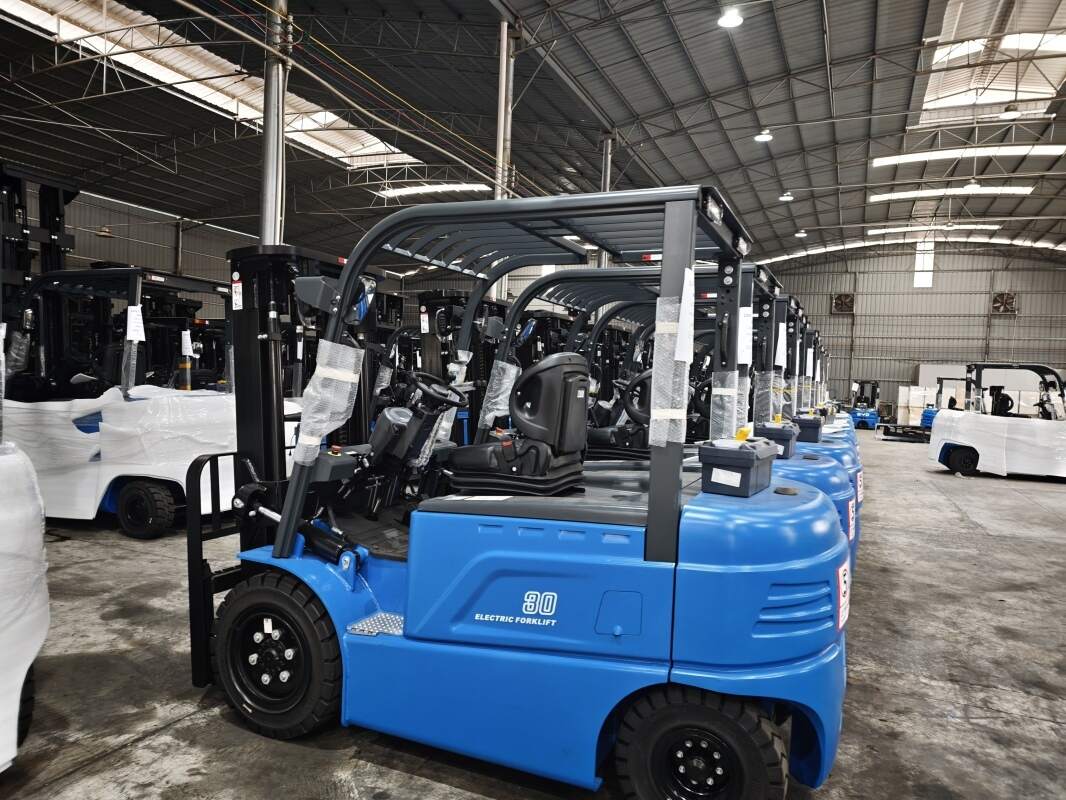
Against the backdrop of growing demand for low-carbon and high-efficiency industrial material handling, electric forklifts have become widely adopted equipment across warehousing, manufacturing, port logistics and other sectors. Mastering systematic operation and management rules helps operators give full play to the advantages of such equipment, reduce unnecessary operation risks and control long-term comprehensive costs.
Core Operation Specifications for Daily Scenarios
Before starting any operation, operators need to complete a full pre-shift inspection, covering the remaining power level of the power system, the flexibility of the braking and steering structure, the normal operation of warning lights and sound prompts, and the clearance of surrounding working areas. During the operation process, operators should strictly follow the rated load limit, avoid sudden acceleration or emergency braking on smooth or sloped roads, slow down significantly when turning, and give way to passing pedestrians and other operating equipment in advance. When parking the equipment, operators should lower the fork to the ground completely, pull up the hand brake, cut off the power supply, and avoid parking the equipment in passages or slopes that hinder the normal movement of other personnel.
Scientific Routine Maintenance Guidelines
Reasonable daily maintenance can effectively extend the service life of electric forklifts and reduce the probability of sudden failures. For the power system, operators should follow the correct charging process, avoid overcharging or deep discharge caused by long-term idle state, and regularly check the tightness of the connecting terminals to avoid poor contact. For the working structures, personnel need to check the wear degree of the tires and the sealing performance of the hydraulic system on a regular basis, remove the accumulated dust and debris on the surface of the motor and control components, and do not use high-pressure water to directly flush the electrical parts to prevent insulation damage.
Efficiency Improvement Strategies for Targeted Use
Different working scenarios can match corresponding adjustment strategies to maximize the use value of electric forklifts. For narrow channel warehouses, operators can plan a reasonable access path in advance to reduce unnecessary turning and reversing operations, which can effectively shorten the single handling cycle. For low-temperature working environments, relevant personnel can adjust the preheating process of the equipment according to the ambient temperature, to avoid the situation that the power output performance is affected by low temperature. Such targeted adjustment measures can help the whole material handling system achieve stable and continuous operation, and support the realization of low-carbon and high-efficiency logistics operation goals.


