
 English
 简体中文
 Русский
 Français
 Português
 Español


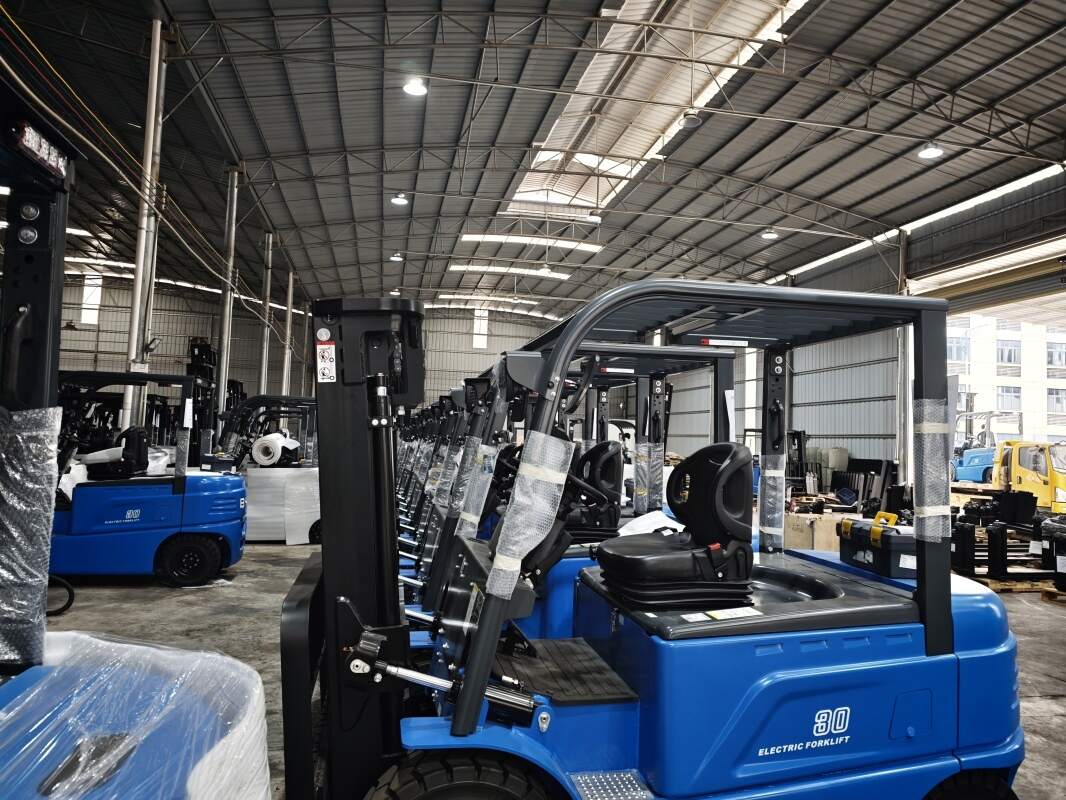
With the continuous development of modern logistics and intelligent warehousing, electric forklifts have been widely applied in different material handling scenarios in recent years. Many frontline operators and warehouse managers still lack systematic and practical reference for the standardized use of such equipment, so this guide sorts out targeted practical content for related practitioners.
Core Performance Advantages of Electric Forklifts
Unlike traditional internal combustion handling equipment, electric forklifts rely on electric power as the core energy source, which produces no exhaust emission during operation, and the overall operating noise is controlled at a relatively low level. Such performance characteristics make it suitable for enclosed indoor spaces, food processing workshops, pharmaceutical storage areas and other scenarios that have high requirements for environmental cleanliness. The power output of electric forklifts is relatively stable, and the overall operation smoothness meets the demand of frequent short-distance handling operations in daily warehouse work.
Standard Daily Operation Specifications
Before starting the equipment every day, operators need to complete basic pre-inspection work, including checking the surface condition of the body, the remaining power level, and the flexibility of the brake device. During the operation process, it is necessary to keep the driving speed within the safe range, maintain a sufficient safety distance with surrounding goods and passing personnel in the narrow warehouse channel, and avoid sharp steering when the goods on the fork are lifted to a high position. When the equipment is parked for a long time, the parking brake should be pulled up, and the fork should be lowered to contact the ground to reduce the unnecessary load of the hydraulic system.
Routine Maintenance and Care Tips
After each operation cycle, the dust and residual sundries on the surface of the car body and the fork should be cleaned in time. The staff need to check the contact state of the battery interface regularly, remove the possible oxide layer on the interface to ensure the stability of power supply. Operators should avoid over-discharging the battery during daily use, and arrange charging in time when the remaining power drops to the set threshold. Regularly check the sensitivity of the warning light and the lifting hydraulic system, and stop using the equipment for troubleshooting in time once abnormal conditions are found. Reasonable operation and regular maintenance can effectively extend the service life of the electric forklift, reduce the unnecessary failure rate in the daily use process, and further improve the overall operation efficiency of the material handling link.


