
 English
 简体中文
 Русский
 Français
 Português
 Español


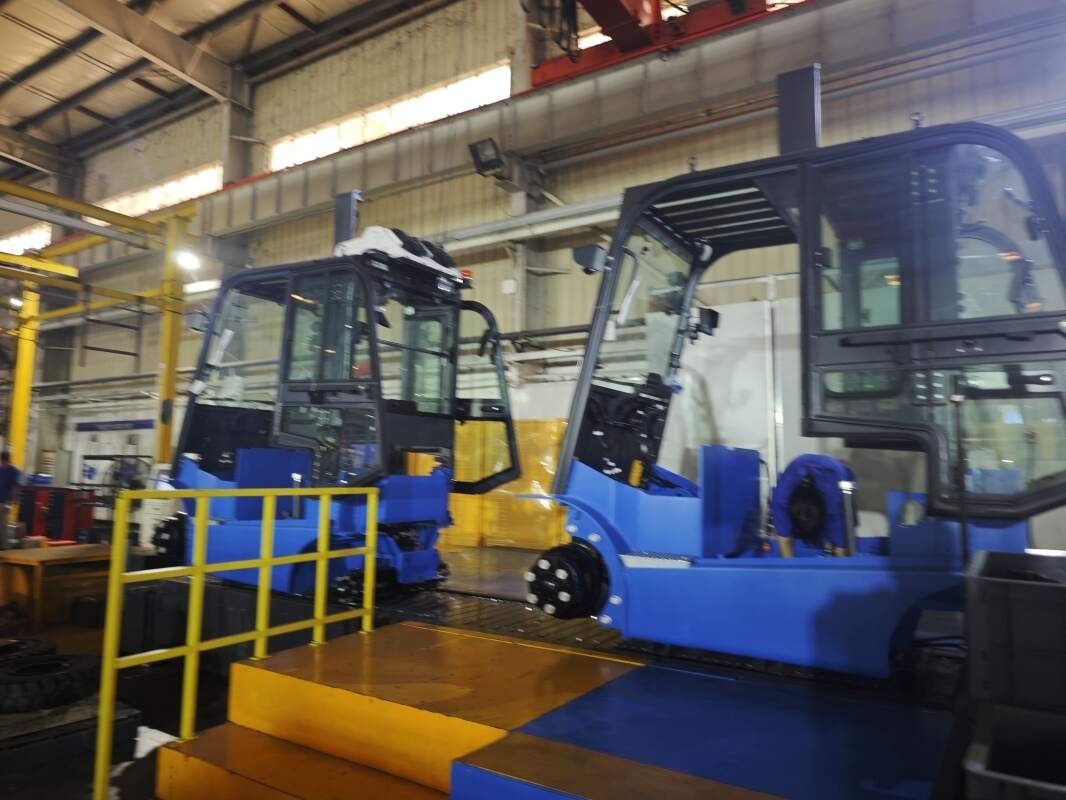
Electric forklifts have become core material handling equipment for modern logistics, manufacturing and warehousing scenarios, delivering stable operation performance with relatively low noise and zero local emission features. Reasonable operation and regular maintenance can effectively extend its service life and reduce unnecessary operating costs for different usage scenarios.
Core Pre-operation Inspection Protocols
Before each shift of operation, operators need to check the appearance of the vehicle frame, the flexibility of the lifting and steering components, the sensitivity of the braking system, and the remaining power level, and record abnormal conditions in the corresponding operation log in time. Operators should also confirm that the surrounding operation area has no obstacles or unrelated personnel before starting the equipment, to avoid potential collision risks during subsequent movement.
Battery Daily Care Best Practices
As the core energy component of electric forklifts, the battery state directly affects the continuous operation time of the equipment. Users should follow the official specification to complete the charging process in the designated temperature range, avoid deep discharge that drains more than 90% of the total power before recharging, and regularly clean the dust and sundries on the battery surface to keep the heat dissipation path unobstructed.
Operation Efficiency Improvement Tips
During daily operation, operators should plan the handling route reasonably according to the site layout, avoid frequent sharp acceleration and sharp deceleration under heavy load state, and adjust the lifting speed of the goods according to the weight of the load to keep the equipment running in a relatively stable working state. This operation habit can reduce unnecessary energy consumption and improve the average handling volume per unit time.
Long-term Usage Performance Protection Notes
For long-term idle electric forklifts, users need to complete the regular supplementary charging according to a fixed cycle, and place the equipment in a dry, ventilated and dust-free storage area, to avoid the aging of internal electronic components caused by long-term exposure to damp or high temperature environment. Regular professional inspection of internal transmission and electronic control components can help maintain the stable overall performance of the equipment in long-term use.


