
 English
 简体中文
 Русский
 Français
 Português
 Español


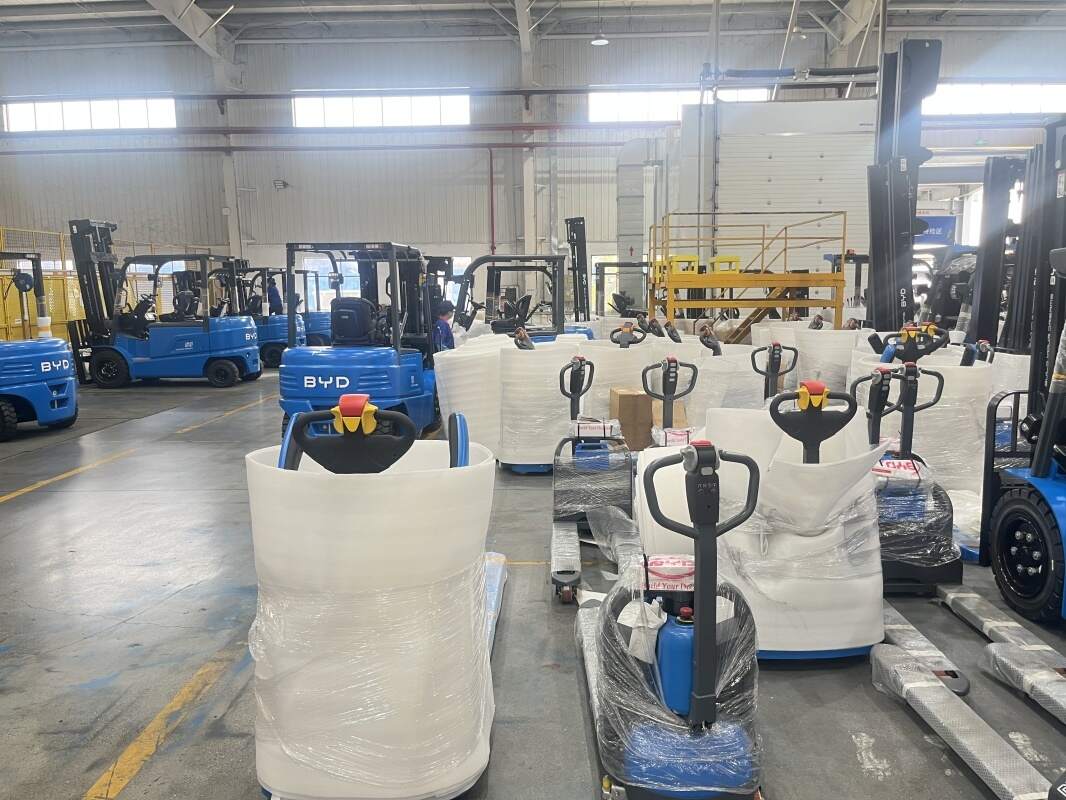
Against the background of low-carbon transformation of modern industrial logistics, electric forklifts have gradually become the core handling equipment in most warehouse, manufacturing and port scenarios, with advantages of low noise, zero local emission and relatively low long-term operating cost. Mastering the correct application logic and operation rules of such equipment can help relevant teams give full play to its performance advantages in actual daily work.
Core Performance Factors for electric forklift Scene Adaptation
When selecting and deploying electric forklifts, teams need to match core parameters according to actual working scenarios first. For narrow channel warehousing scenarios, the turning radius and body width of the equipment should be prioritized to avoid space waste during operation. For scenarios with frequent high-lift material access, the load capacity under the maximum lifting height should be fully confirmed to avoid potential safety risks caused by overloading beyond the specified parameters. For scenarios with long continuous operation time, the matching between battery capacity and daily operation intensity shall be fully evaluated to arrange reasonable charging intervals, so as not to affect the normal operation rhythm.
Standardized Daily Maintenance Practices to Extend Service Life
Standardized daily maintenance work can effectively reduce the failure rate of electric forklifts and prolong the overall service cycle of the equipment. Operators need to check the power battery status before each shift, confirm that the connection interface is free of dust, liquid leakage and abnormal heating, and avoid deep discharge of the battery as much as possible in daily use. For the hydraulic lifting system, regularly check the sealing of the oil circuit, and add the specified type of hydraulic oil on schedule to ensure the stability of the lifting process. The brake system, tire wear status and safety warning devices also need to be checked regularly every week to eliminate hidden problems in time.
Necessary Safety Rules for Daily Operation Process
All personnel operating electric forklifts need to receive corresponding pre-job skill training, and master the correct operation logic of the equipment before formal on-duty work. During the operation process, avoid sharp steering and sudden braking under heavy load state, and do not carry people on the forks or stand under the lifted goods to avoid safety accidents. After the daily operation is completed, the equipment should be parked in the specified area, the forks should be lowered to a safe height, and the power supply should be cut off completely. Regular comprehensive safety performance inspection of all electric forklifts in use can effectively reduce the probability of unexpected failures, and create a more stable and efficient working environment for the whole handling operation process.


