
 English
 简体中文
 Русский
 Français
 Português
 Español


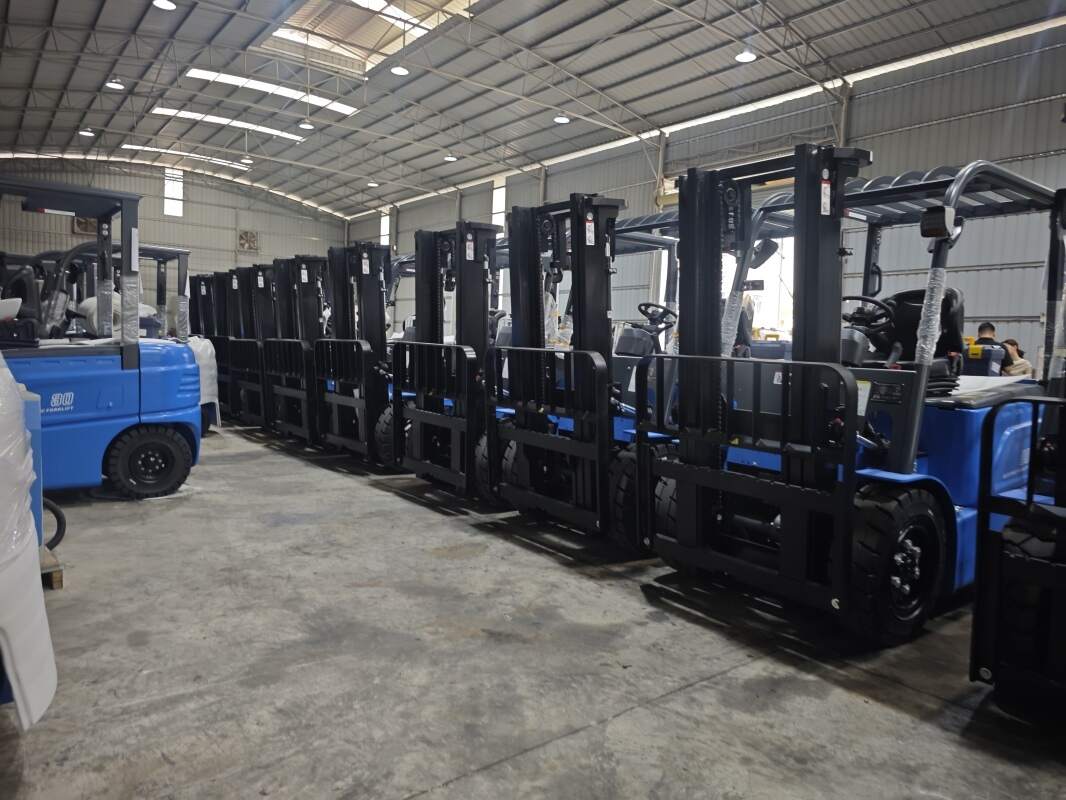
As a core piece of energy-saving material handling equipment widely used in modern warehouses, manufacturing workshops and logistics distribution centers, electric forklifts have gained growing popularity for their low noise, zero on-site emission and relatively low long-term operation cost. Proper mastery of related use and maintenance knowledge can help operators fully leverage the equipment’s advantages while avoiding unnecessary wear or potential safety risks.
Core Pre-operation Inspection Protocols
Before starting any shift of operation, operators need to complete a set of standardized checks to rule out hidden hazards. The first step is to check the remaining power level of the battery pack, confirm no abnormal bulge or liquid leakage appears on the battery surface, and check the connection terminals are free of loose or corroded traces. Next, operators need to test the flexibility of the braking system, steering system and lifting mechanism, check if the warning light, horn and lighting components work normally, and inspect the wear condition of load wheels and driving wheels to make sure no obvious crack or deformation exists. Operators should also confirm the load limit mark on the equipment body is clear, and never carry goods that exceed the rated load value marked on the specification.
Daily Operation Optimization Tips
During the operation process, operators should keep stable driving speed according to the on-site road condition, avoid sudden acceleration or sudden brake as much as possible, especially when the equipment is carrying heavy loads. When working on sloped roads, operators should keep the load end facing the uphill direction, and avoid turning on sloped surfaces to prevent side slip risks. When stacking or unstacking goods, operators should keep the mast at a proper backward tilt angle to ensure the goods stay stable on the forks, and avoid lifting or dropping the forks at an overly fast speed that may cause goods to fall. Operators also need to reserve enough safe distance between the equipment and surrounding personnel, shelves or other obstacles to avoid accidental collision.
Routine Maintenance Guidelines
After finishing the daily shift, operators should park the equipment at the designated charging area, lower the forks to the ground level, turn off the whole power supply before leaving, and complete the charging process according to the official operation requirements of the battery pack. Operators should wipe away the dust, residual cargo debris and water stain on the equipment surface every day, and arrange regular professional inspection on the motor, control system and hydraulic components according to the actual use frequency. Regular maintenance can effectively reduce the probability of unexpected equipment failure, extend the overall service life of the equipment, and help enterprises get more stable return on their equipment investment.


