
 English
 简体中文
 Русский
 Français
 Português
 Español


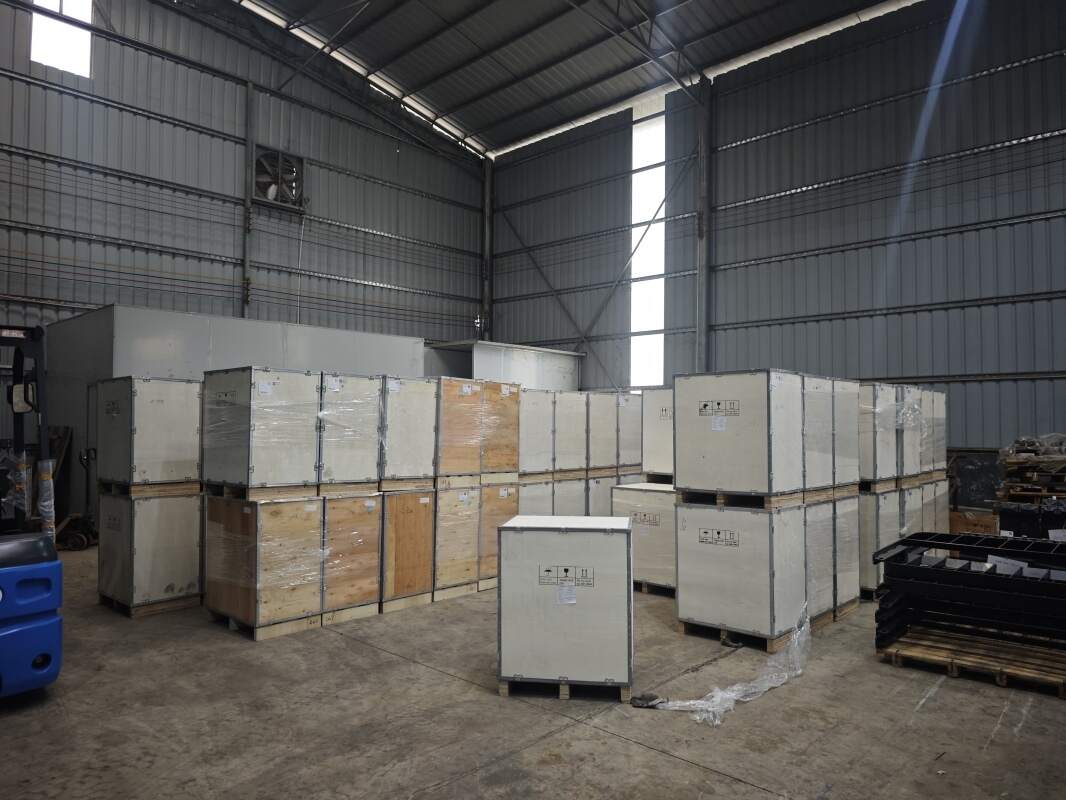
Against the backdrop of growing low-carbon logistics demand, electric forklifts have become one of the most widely applied material handling equipment in various storage scenarios, bringing stable performance output and low operating cost for daily cargo transportation tasks.
Key Pre-operation Inspection Protocols
Before starting any daily operation, operators need to complete a set of standardized pre-check steps to eliminate hidden risks in advance. First, confirm the remaining battery level to avoid sudden power off in the middle of high-intensity operation. Then check the sensitivity of the braking system, the flexibility of the hydraulic lifting structure, and the wear condition of the tire surface, and wipe the surface of the operating lever and safety warning light to ensure no barrier for normal operation. For long shift tasks, operators also need to confirm the surrounding working area is free of unrelated obstacles before starting the vehicle.
Scientific Daily Maintenance Specifications
Standardized daily maintenance can effectively extend the service life of electric forklifts and keep their performance at a stable level. For the power battery part, users should follow the official charging specifications, avoid frequent overcharge and deep discharge, and regularly clean the connection interface of the battery pack to prevent dust and water stain from causing poor contact. After finishing daily operation, operators should park the vehicle in the designated ventilation area, pull up the hand brake, lower the pallet fork to the horizontal position close to the ground, and cut off the whole power supply. It is also recommended to arrange regular professional inspection for core components every fixed cycle to find potential faults in early stage.
High-efficiency Operation Skill Promotion
Mastering standardized operation skills can not only reduce the occurrence of safety accidents, but also improve the overall operation efficiency of the warehouse. Operators should keep the running speed at a safe level when moving in narrow warehouse aisles, slow down fully when turning, and keep a safe distance with surrounding staff and shelf structures. During the cargo lifting and lowering process, keep the movement of the operating lever smooth, avoid sudden acceleration of the hydraulic system to prevent the goods from falling accidentally. Operators should also strictly follow the load capacity mark of the equipment, not carry overweight goods for a long time to avoid extra loss of the load bearing structure. Following the above practical guidance can help material handling teams give full play to the performance advantages of electric forklifts, create a safer and more efficient operation environment for daily warehouse logistics tasks.


