
 English
 简体中文
 Русский
 Français
 Português
 Español


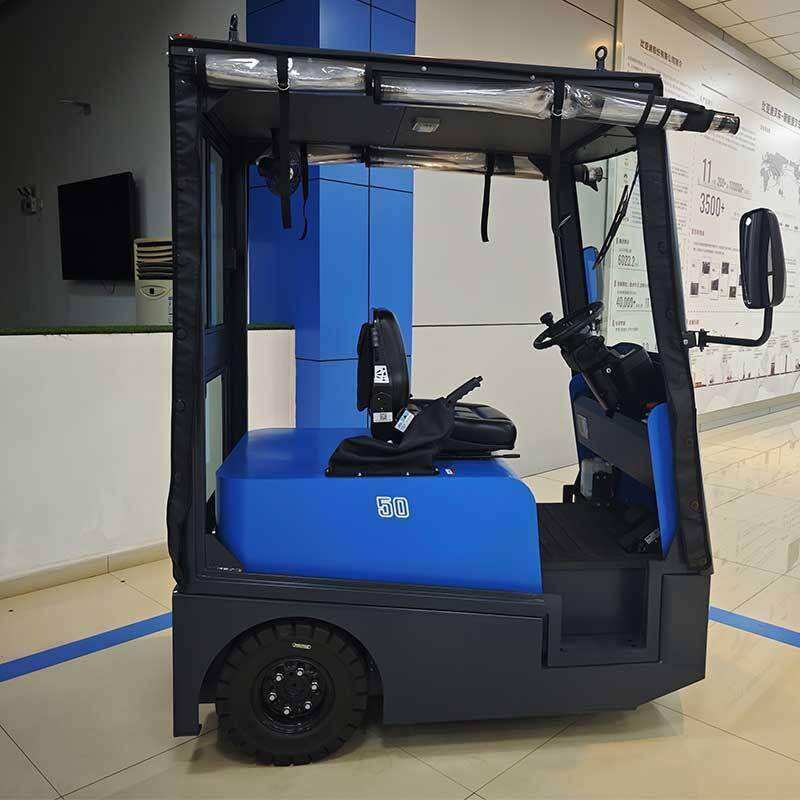
Against the background of global green transformation in the logistics and manufacturing sector, electric forklifts have become one of the most widely applied material handling equipment in various industrial scenarios, thanks to their low noise, zero local emission and flexible operation features. Many on-site operators and warehouse managers still face challenges in fully tapping the usage potential of such equipment to get stable long-term performance.
Core Operation Specifications for Daily Use
Before each shift of operation, operators need to complete a pre-start check covering appearance integrity, remaining power status, brake response sensitivity and warning function validity. During the operation process, operators should strictly follow the rated load limit of the equipment, avoid sharp acceleration, sudden steering or emergency braking under high load status. When the equipment works in narrow warehouse aisles, staff need to keep a safe distance between the vehicle and surrounding storage racks, and send out warning signals in advance when there are pedestrians in the operation area. It is not recommended to carry extra personnel on the working platform, and the power system should be fully switched off when the equipment stays idle for a long time.
Scientific Daily Maintenance Protocols
Regular maintenance can effectively reduce unexpected failure rate of electric forklifts. Operators can clean the heat dissipation grilles of the power components on a regular basis, to prevent accumulated debris from blocking the heat dissipation path and causing abnormal temperature rise. For the core power battery pack, users need to follow the official recommended charging rules, avoid completely draining the power before recharging, and arrange charging at a cool and ventilated environment. The hydraulic lifting system needs regular inspection for fluid level and sealing component wear, and replace aging accessories in time to avoid oil leakage risk. Operators also need to check the tire wear condition periodically, to avoid skidding or tipping risks caused by excessive tire wear.
Scenario Matching to Maximize Operational Efficiency
Different application scenarios need targeted adjustment on operation strategies to get better performance. For low temperature cold storage scenarios, operators can activate the battery temperature pre-regulation mode before the equipment enters the working area, to keep the power output stable. For scenarios that require long-distance material transfer, managers can optimize the driving route in advance to reduce unnecessary round trips and cut extra power consumption. For high-frequency loading and unloading scenarios, teams can arrange off-peak charging for idle equipment, to avoid insufficient power supply during peak business hours. Proper matching between equipment load capacity and actual task weight can also reduce extra energy consumption, and extend the overall service life of the equipment. Standardized operation and systematic maintenance can help reduce comprehensive usage cost, and support the stable improvement of material circulation efficiency in various industrial scenarios.


