
 English
 简体中文
 Русский
 Français
 Português
 Español


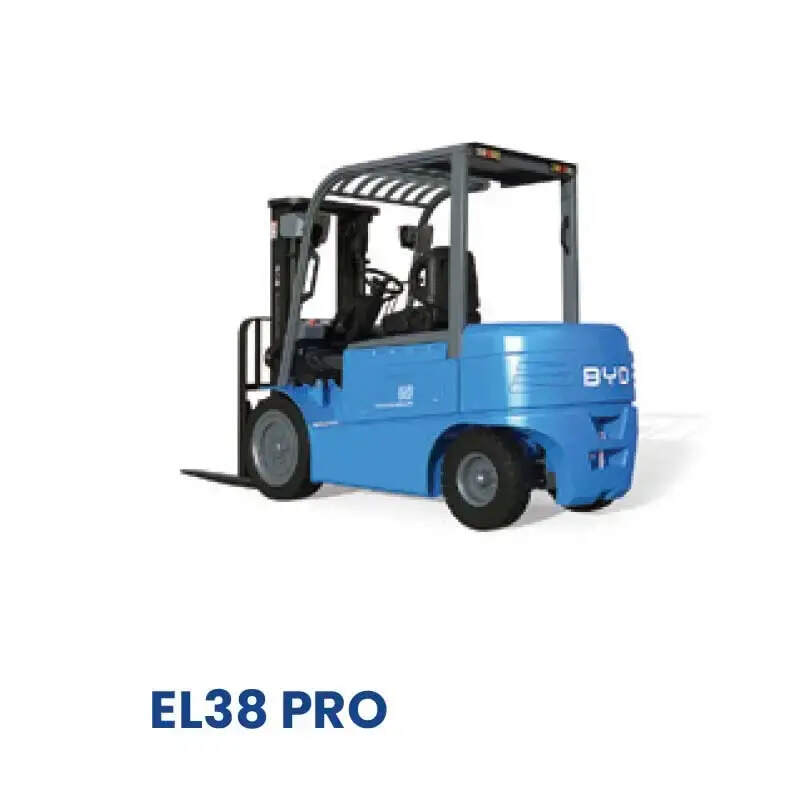
Against the background of accelerating low-carbon transformation of global industrial logistics, electric forklifts have become one of the most widely used material handling equipment in closed operation sites such as warehouses, distribution centers and manufacturing workshops in recent years. Unlike traditional internal combustion handling equipment, electric forklifts rely on on-board energy storage systems to provide power output, which brings distinct operation characteristics that suit the demand of modern fine logistics management.
Core Performance Advantages of Electric Forklifts
Under normal operating conditions, electric forklifts generate much lower noise and no exhaust emissions during operation, which can effectively improve working environment comfort for on-site operators, and avoid the risk of harmful gas accumulation in semi-enclosed or fully enclosed indoor operation spaces. The power output curve of electric drive systems is smoother, which can provide more precise control of lifting and moving actions, reducing the probability of cargo collision and damage during handling, and adapting to the transportation demand of precision and fragile goods in many industries.
Routine Daily Maintenance Guidelines
Doing a good job of regular daily maintenance can effectively extend the service life of electric forklifts, and reduce unexpected downtime caused by equipment failure. Operators need to check the remaining energy level of the energy storage system before each shift, inspect the wear degree of tire treads, brake sensitivity, and the flexibility of the lifting hydraulic system, and record relevant operation status in time. It is necessary to avoid over-discharging the energy storage system for a long time, and arrange regular professional inspection of circuit connection points and power drive components according to the specified use cycle, to eliminate hidden faults in the initial stage.
Operation Safety and Efficiency Optimization Tips
To give full play to the efficiency advantages of electric forklifts, operators need to receive standardized pre-job training, master the rated load range of the equipment, and do not operate with overload for a long time. When operating in narrow warehouse aisles, it is necessary to plan the driving route in advance, keep a safe distance from surrounding stacked goods and site facilities, and avoid sharp turning and sudden braking at high speed. Reasonable arrangement of the equipment's operation and rest cycle can avoid the continuous overload operation of the power system, so as to maintain stable working performance for a long time.
Applicable Scenario Matching Principles
When selecting appropriate electric forklift models, enterprises need to make matching judgments according to the actual operation site space, average handling weight, daily operation duration and other core parameters. For scenes with high operation intensity for more than 8 hours a day, it is possible to configure supporting supplementary energy modules to meet the continuous operation demand, so as to maximize the input-output benefit of the equipment.


