
 English
 简体中文
 Русский
 Français
 Português
 Español


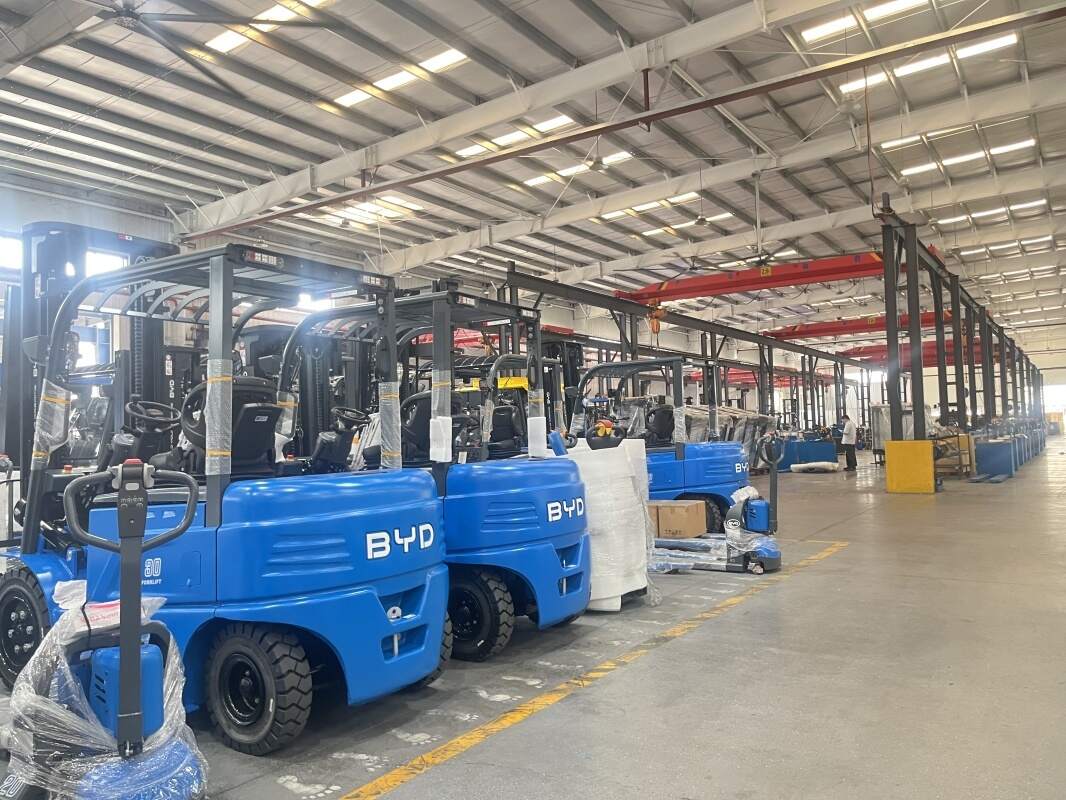
With the continuous upgrade of low-carbon industrial logistics systems, electric forklifts have become one of the most widely adopted material handling equipment in indoor warehouses, cold chain storage and light manufacturing workshops in recent years. For frontline operators and warehouse managers, mastering systematic professional knowledge of electric forklifts can effectively avoid unnecessary operation risks and extend the stable service cycle of the equipment.
Core Performance Characteristics of Electric Forklifts
Different from fuel-powered handling equipment, electric forklifts rely on on-board power battery packs to provide power output, which generates no exhaust emission during the whole operation process, and the average running noise is kept at a relatively low level that will not cause continuous disturbance to indoor staff. Most mainstream models are designed with compact body structure, which can flexibly pass through narrow warehouse aisles to complete stacking, loading and unloading, and short-distance material transfer tasks. The energy consumption cost per unit running time is far lower than that of traditional fuel handling equipment, which fits the long-term operation needs of most medium and small sized warehousing scenarios.
Standard Daily Maintenance Specifications
Regular maintenance is the core premise to ensure the stable operation of electric forklifts. Operators need to check the power battery surface, tire wear status, brake sensitivity and lifting hydraulic system status before each shift of operation, and record abnormal indexes in time to avoid hidden risks expanding. After the daily operation is completed, the equipment should be parked in the designated ventilated and dry area, and the power connection port should be checked for dust accumulation or damp condition before charging. It is not recommended to place the equipment in a long-term full discharge state, which may cause irreversible impact on the overall service life of the battery pack.
Operation Optimization Suggestions for Better Use Effect
During the operation process, operators should strictly follow the load limit specification, avoid long-time overload operation that may cause extra loss to the motor and hydraulic structure. When the equipment is running on ramp areas, keep the load facing the uphill direction to avoid the risk of goods slipping. For different application scenarios, users can adjust the corresponding operation parameters according to actual use demand, to achieve a balance between operation efficiency and equipment loss. Reasonable operation habits can help the electric forklift maintain stable working performance for a long time, and create more stable value for the daily material handling work of the warehouse.


