
 English
 简体中文
 Русский
 Français
 Português
 Español


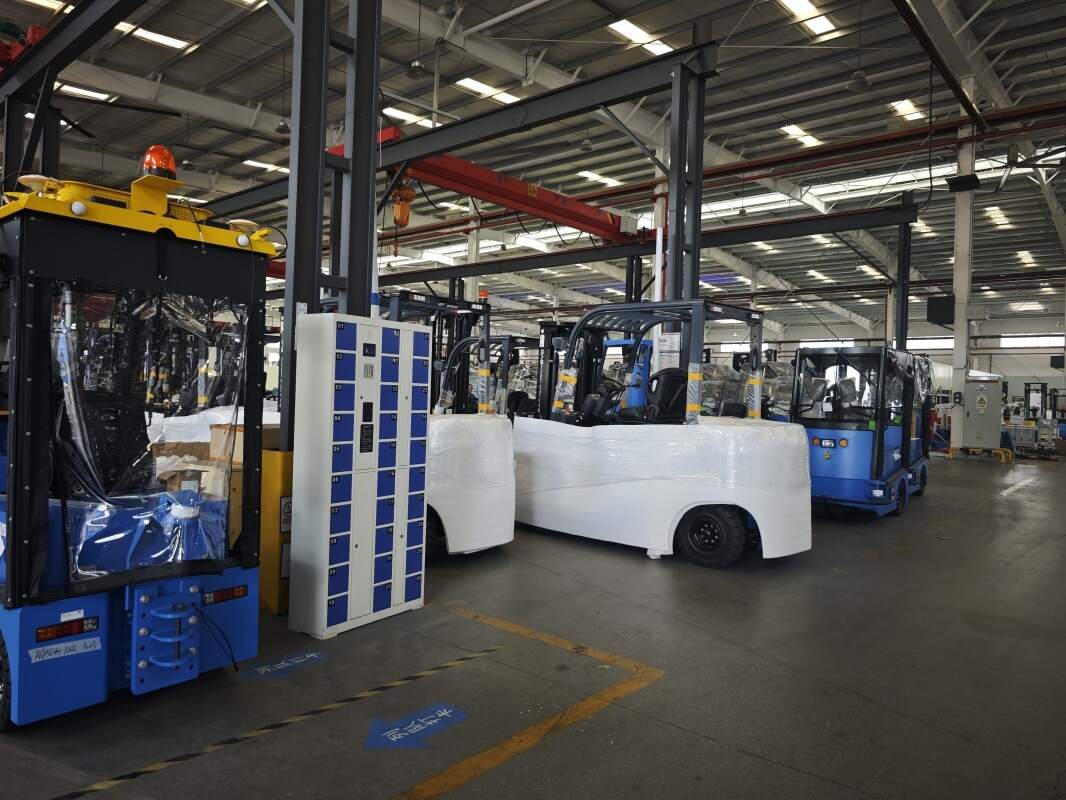
As the demand for low-carbon and high-efficiency material handling solutions rises in modern warehousing, manufacturing and logistics sectors, electric forklifts have gradually become one of the most widely applied core handling equipment. Reasonable operation and scientific management can help enterprises give full play to the performance of such equipment, reduce comprehensive operating costs and improve overall operation safety.
Core Pre-operation Inspection Protocols
Before starting any formal handling task, operators need to complete a set of standardized pre-check procedures to eliminate hidden risks in advance. The inspection scope covers the status of the power system, the flexibility of the steering and braking structure, the normal display of all instrument indicators, and the integrity of the fork and protective guard. Operators should also confirm that the surrounding operation area is free of irrelevant obstacles and personnel, to avoid accidental collisions during subsequent movement.
Standardized Operation Norms for Daily Use
During the operation process, operators need to control the driving speed according to the site road conditions, load weight and personnel flow density, and avoid sharp acceleration and sudden braking under heavy load state. When picking up and placing goods, keep the goods in the center of the fork load area, and adjust the lifting height reasonably according to the stacking height, to prevent the goods from slipping and falling. It is not recommended to operate the equipment for a long time under the condition of exceeding the rated load, which will cause additional wear to the transmission and power components.
Routine Maintenance and Care Suggestions
After the daily operation is completed, operators should wipe the surface of the equipment, check the residual power level, and complete the standardized charging work in the designated power supply area. The electrical connection points need to be checked regularly to avoid poor contact caused by dust accumulation, and the lubrication points of the movable structure should be filled with appropriate amount of professional lubricating oil on schedule, to reduce the friction loss between parts. Regular professional inspection can also help find potential minor faults in time, so as to arrange targeted maintenance, and avoid unplanned shutdown affecting the normal operation of the whole logistics process.
Energy Efficiency Promotion Tips for Different Application Scenarios
For long-time continuous operation scenarios, enterprises can arrange reasonable operation shifts to avoid continuous high load operation of the equipment, and maintain the battery activity within a reasonable range. For narrow channel operation scenes, operators can be organized to receive targeted skill training to improve the operation proficiency, reduce the unnecessary movement path, and further improve the overall operation efficiency of the equipment.


