
 English
 简体中文
 Русский
 Français
 Português
 Español


Operating in a freezer warehouse brings unique challenges for material handling equipment, with long-term ambient temperatures below -18℃, frequent temperature shifts when equipment moves between cold storage areas and normal temperature loading docks, and high humidity levels that place extra stress on every component of the forklift. A regular counterbalance forklift designed for normal temperature working scenarios cannot support long-term stable operation in such harsh environments, which may lead to frequent breakdowns, low operation efficiency and extra maintenance cost.
The first core requirement for counterbalance forklifts used in freezer warehouses is reliable low-temperature adaptability of the power system. Compared with traditional internal combustion forklifts that produce exhaust emissions that are not suitable for enclosed cold storage, electric forklifts with integrated intelligent battery thermal management systems can maintain stable power output even in continuous low-temperature working conditions, avoiding unexpected power drop that interrupts daily material handling processes.
The second key requirement is effective anti-condensation protection for all electrical components. When forklifts shuttle between sub-zero cold zones and above-zero loading zones, rapid temperature changes will cause condensed water to form on circuit boards, wire terminals and sensors. Forklifts for freezer warehouses need to reach a sufficiently high protection grade for core electrical parts, to prevent short circuit or component failure caused by condensed water accumulation.
The third requirement is humanized operation design adapted for thick work gloves. Most operators in freezer warehouses wear thick thermal gloves for long time work, so the control levers, brake pedals and emergency stop buttons on the counterbalance forklift should be designed with proper operation clearance and moderate operation force, to ensure operators can complete all operation steps accurately without taking off thermal gloves, reducing operation risk and improving work comfort.
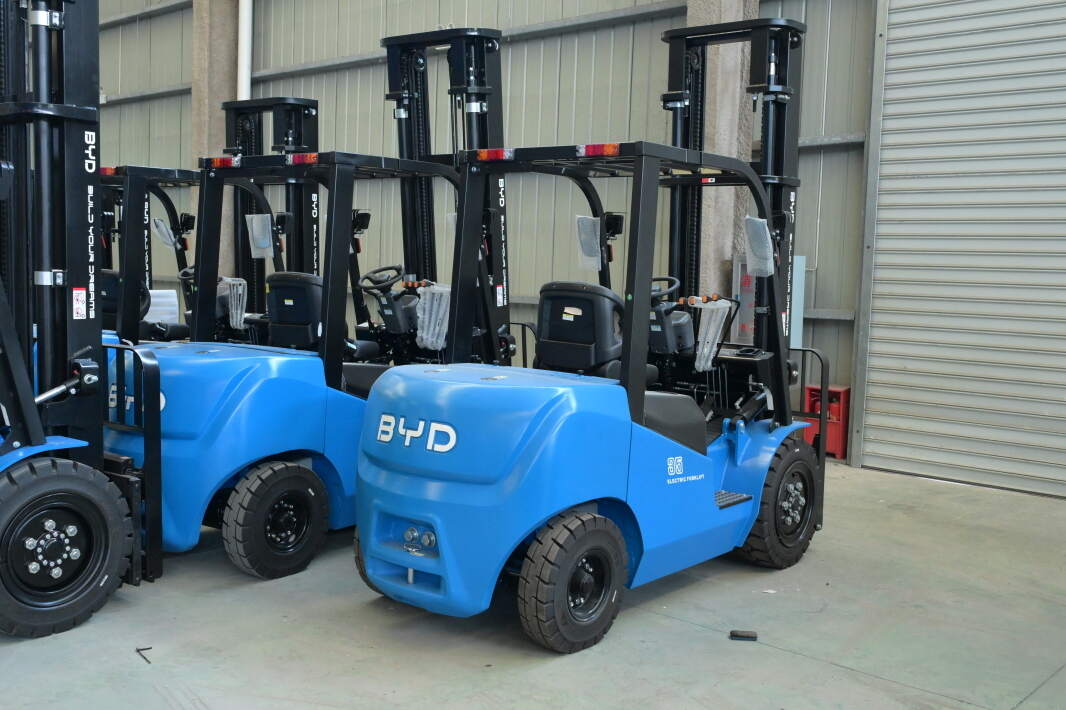
The fourth requirement is high corrosion resistance for all metal structural parts. The combination of low temperature, high humidity and frequent contact with condensate will accelerate the rusting process of exposed metal parts and fasteners. Special surface treatment for the body, gantry and load forks can effectively extend the whole service life of the equipment under long-term cold storage operation.
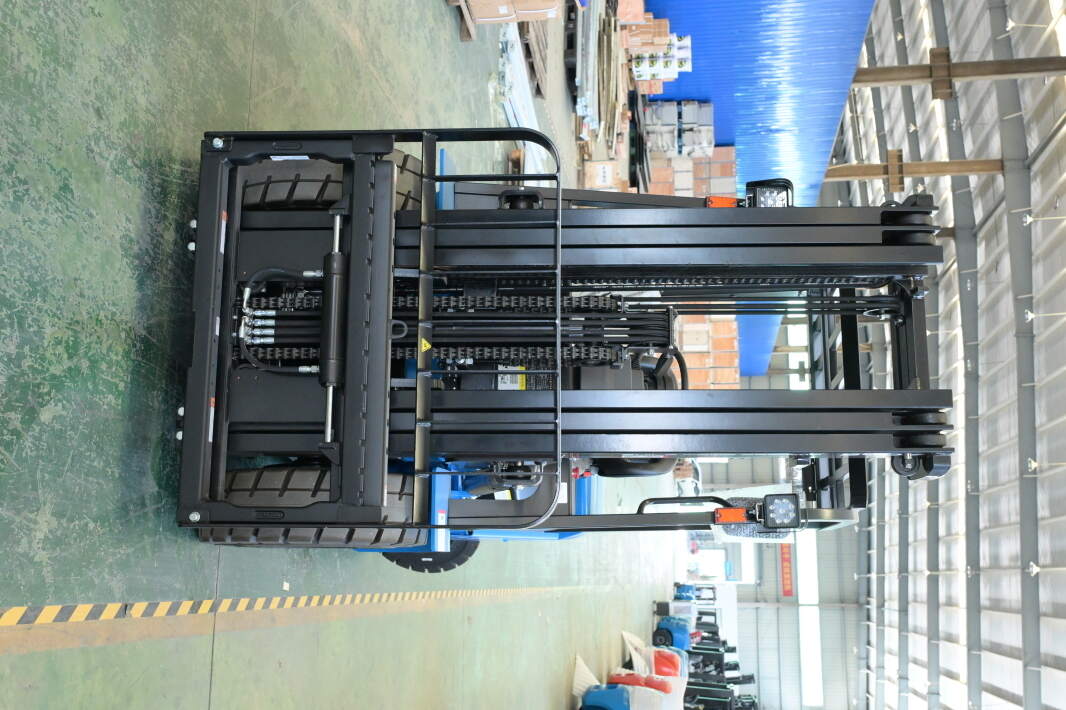
As Jian Shu New Energy, we focus on BYD electric forklifts, and provide products that meet all the above requirements for different sizes of freezer warehouse scenarios. If you have related inquiry, you can contact us via [email protected].


