
 English
 简体中文
 Русский
 Français
 Português
 Español


Beverage plant operations cover a full workflow including raw material receiving, finished product high-level stacking, and loading and outgoing transportation, which puts forward targeted, multi-dimensional requirements for the counterbalance forklifts deployed in the site. Different from ordinary industrial warehouses, beverage production and storage scenarios have unique constraints in hygiene, environmental adaptability, operation stability and other aspects, so the selection of counterbalance forklifts cannot follow the general standards of ordinary industrial sites.
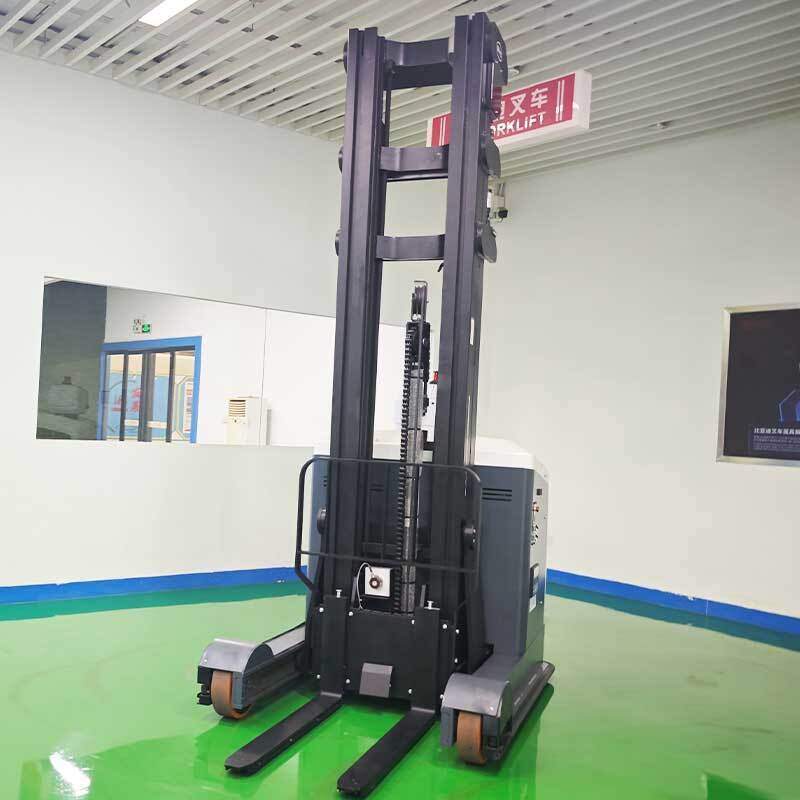
First of all, stable and reliable load carrying performance is the core basic requirement. A full pallet of packaged beverages usually reaches a relatively heavy total weight, and most beverage plants adopt high-density high-rise shelf storage to make full use of warehouse space. The well-designed counterweight structure of the qualified counterbalance forklift can keep the body stable when lifting heavy loads to different shelf heights, avoiding hidden safety hazards such as cargo tilting, and ensure the safety of operators, stored goods and site facilities.
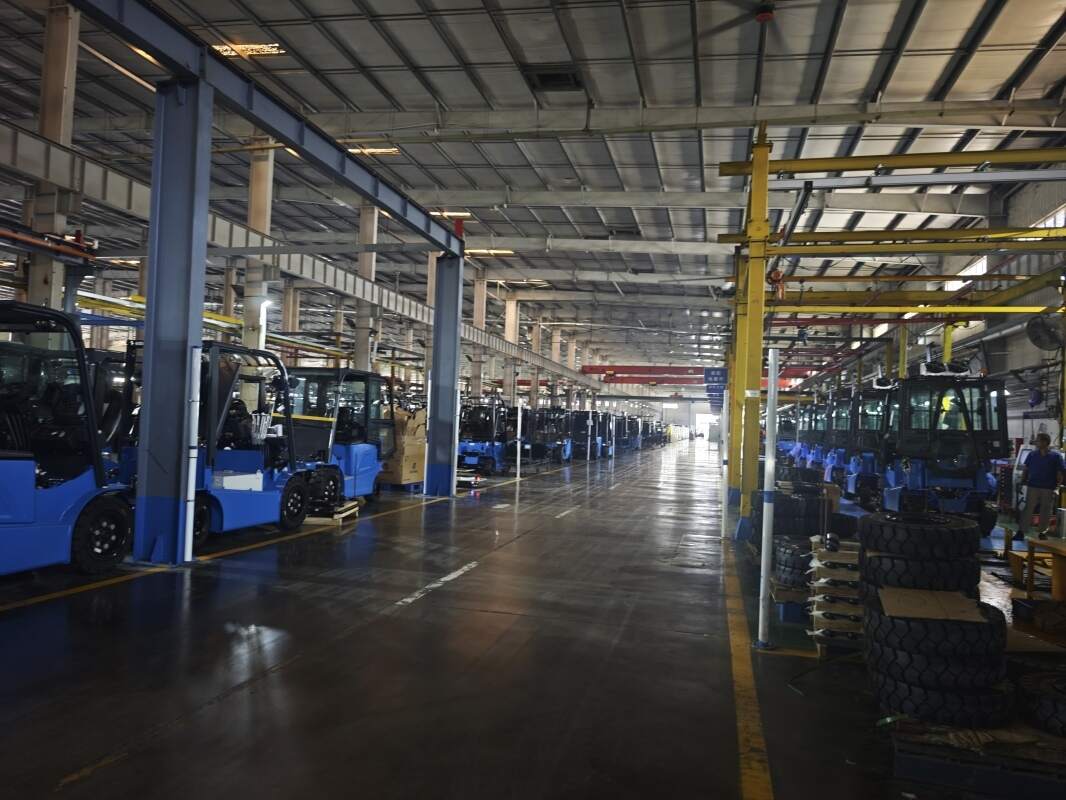
Second, zero emission and low operation noise are necessary conditions for entering beverage production areas. As a food processing related site, the beverage plant has strict control over all possible pollution sources. The electric counterbalance forklift will not discharge any exhaust gas during the whole operation process, which will not cause hidden pollution to beverage raw materials, finished products and packaging materials. The low operation noise will not interfere with the normal communication of on-site staff and the normal operation of production line equipment, creating a more comfortable working environment for long shifts of operators.
Third, the body design should meet the sanitation and easy cleaning standards of food related sites. The ground of the beverage plant is prone to occasional spills of beverages or cleaning agents, and the site is cleaned with water at a high frequency every day. The counterbalance forklift for this scenario should adopt a closed body structure that is resistant to water splash and corrosion, reduce the gaps that are easy to accumulate residual debris, and facilitate daily wiping and flushing, so as to meet the food-grade hygiene management specifications of the plant.
Fourth, it can adapt to the switching of multiple operation scenarios in the plant. A beverage plant usually needs forklifts to complete multiple tasks such as high-level shelf stacking in the warehouse, short-distance material transfer between production lines, and cargo loading and unloading at the external platform. The counterbalance forklift with flexible steering performance can smoothly pass through the conventional channel width of the plant, and can efficiently complete different operation tasks without frequent equipment replacement.
We are Jianshu New Energy, focusing on BYD electric forklifts. If you have relevant demand for counterbalance forklifts suitable for beverage plants, you can send an email to [email protected] for consultation.


