English
 简体中文
 Русский
 Français
 Português
 Español


In recent years, with the continuous development of Niger’s logistics, agricultural processing and commercial warehousing sectors, the demand for efficient and low-cost material handling equipment has been rising steadily. A growing number of local operation teams are turning to electric stackers as an alternative to traditional internal combustion handling equipment, while many stakeholders still lack clear, systematic cognition of the actual long-term running costs of such equipment.
First of all, energy consumption cost is the most intuitive expenditure item in the daily operation of electric stackers. Referring to the current industrial and commercial electricity price level in Niger’s main economic zones, the energy consumption of a standard load electric stacker per working hour is far lower than the fuel consumption cost of traditional internal combustion stackers under the same working condition. Many local warehouses that have installed self-use photovoltaic power generation systems can further reduce the unit energy cost to a more favorable level, and no extra fluctuation cost caused by international fuel price changes will be generated.
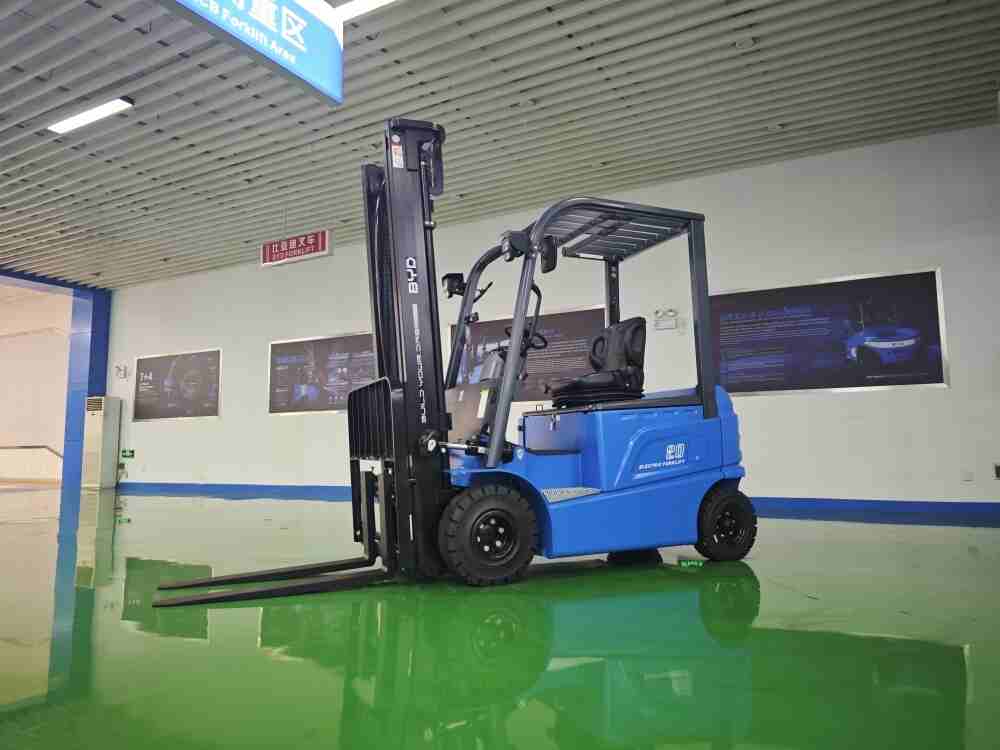
The second core part of running cost comes from daily maintenance and upkeep. Unlike internal combustion stackers that have complex fuel circuits, exhaust systems and multiple wearing parts that need regular replacement, electric stackers have much simpler power structures, no need to arrange regular engine oil replacement, fuel filter replacement and exhaust system maintenance operations. The annual maintenance expenditure can be controlled at a very low level, and the core power battery of qualified electric stackers has a long service life under standardized daily operation, no extra large component replacement cost will be generated in the first few years of use.
There are also implicit cost items that are easily overlooked by operators. In recent years, Niger has launched clearer environmental management regulations for industrial parks and intensive warehousing areas, traditional fuel-powered handling equipment needs to pay extra cost for regular emission testing, and extra investment for ventilation facilities in closed operation spaces. Electric stackers produce no exhaust emission during operation, operators do not need to pay any additional emission related compliance fees, and can be used directly in all types of closed storage spaces without extra supporting transformation expenditure.
As a professional new energy material handling solution provider, we are Jian Shu New Energy, focusing on BYD electric forklifts. We can provide accurate full life cycle cost calculation and targeted electric stacker selection services for local customers in Niger across different industries. If you have relevant consultation demands, please send emails to [email protected] to get exclusive customized assessment support.