English
 简体中文
 Русский
 Français
 Português
 Español


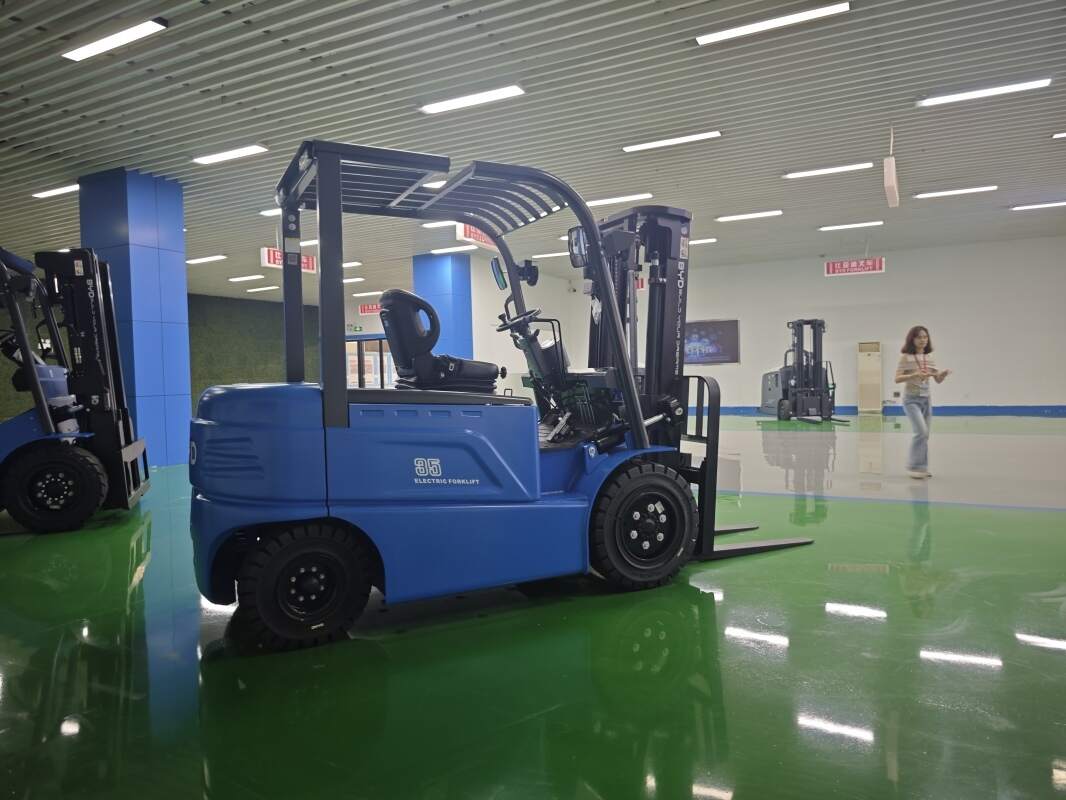
For beverage plant managers, choosing the right material handling equipment directly links to production efficiency, product safety and long-term operational cost. Unlike traditional internal combustion counterparts, electric forklifts fit the unique operational traits of beverage production and storage scenarios far better, and this guide covers core points every facility leader needs to master before making deployment decisions.
The first core advantage of electric forklifts for beverage plants lies in its zero local emission feature. Beverage products are directly consumed by people, so any exhaust gas, exhaust particulate generated by fuel-powered equipment may pose potential contamination risks to finished products stored in open racks or transferred through production lines. Electric forklifts produce no tail gas during operation, fully matching the food-grade sanitation requirements of beverage production facilities, and they also generate far lower noise than fuel models, creating a more comfortable working environment for frontline staff who work for 8 to 12 hours per shift.
For most beverage plants that run two or three shifts per day, the operational cost performance of electric forklifts is also very prominent. Compared with fuel-powered models, electric forklifts have fewer wearing parts that need regular maintenance, no engine oil replacement, filter cleaning or other routine operations that take up working hours, which can cut the annual maintenance expenditure by a reasonable margin, and reduce the unexpected downtime caused by equipment failure. It is also worth noting that most electric forklift models on the current market support customizable waterproof and dustproof protection levels, which can adapt to the frequent floor washing, spillage cleaning operations that are very common in beverage production workshops, avoiding the hidden equipment damage risks brought by humid working conditions.
Before introducing electric forklifts, managers are suggested to make a systematic layout of on-site charging stations first, set charging intervals matching the shift handover gaps, to ensure the equipment can run continuously for all daily operation tasks. It is also recommended to select matched attachment tools according to the actual handling scenarios, such as special clamps for beverage pallets, to further improve the handling efficiency of canned, bottled or boxed beverage products.
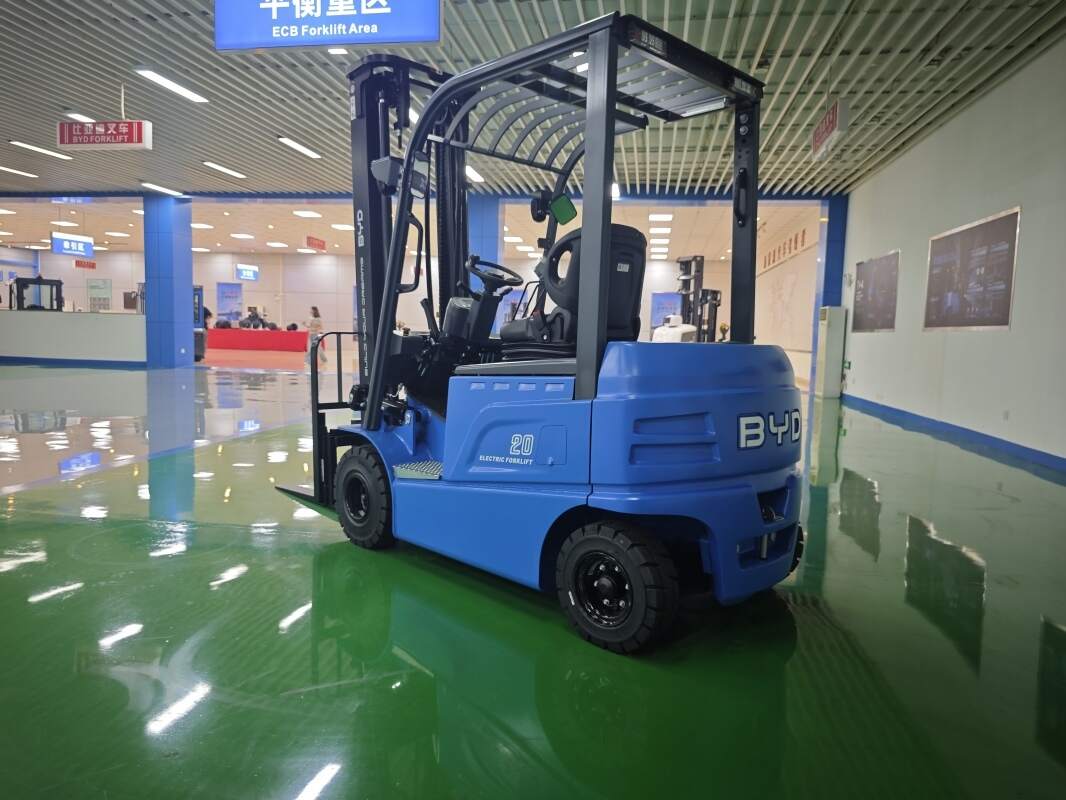
As a professional service provider focused on new energy industrial handling equipment, Jian Shu New Energy specializes in BYD electric forklift supply and supporting services. For any inquiry about electric forklift deployment for your beverage plant, you can send emails to [email protected] for customized professional solutions.