
 English
 简体中文
 Русский
 Français
 Português
 Español


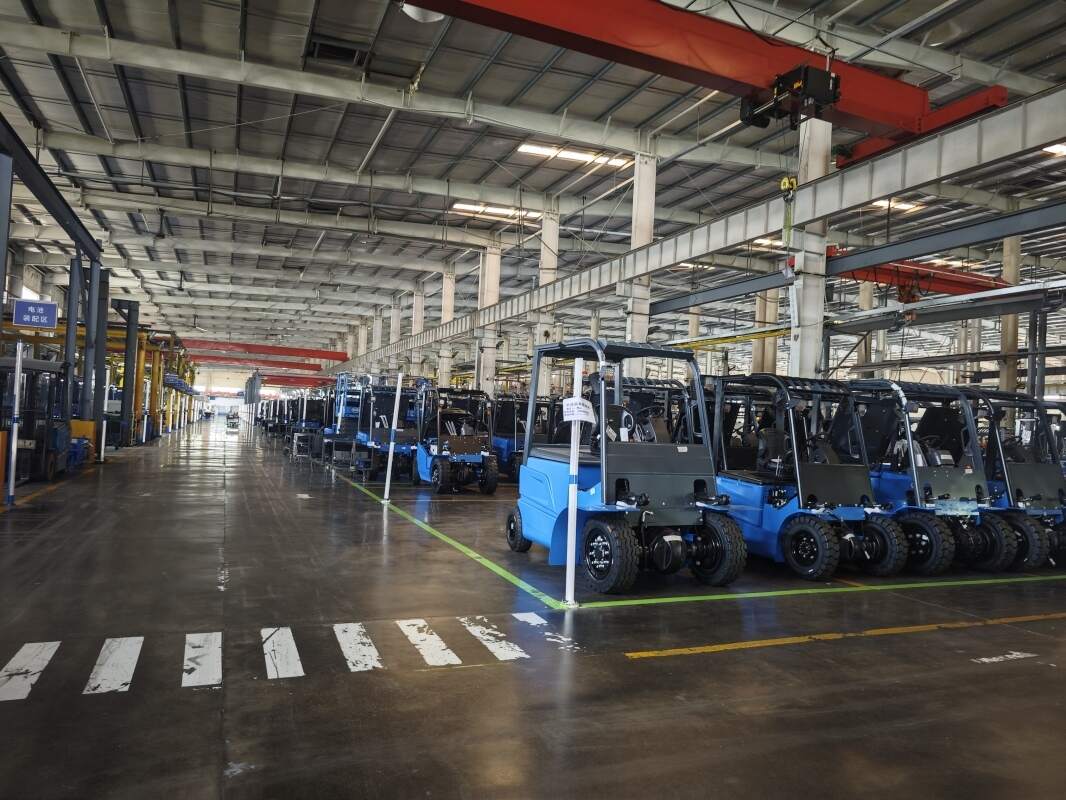
As the logistics industry gradually shifts to low-carbon, energy-saving operation modes, electric forklifts have become one of the most widely used material handling equipment in closed warehouse, distribution center and indoor factory scenarios. Mastering correct operation and maintenance knowledge can help relevant personnel give full play to the performance of equipment, reduce unnecessary wear and avoid hidden safety risks.
Core Advantages of Electric Forklifts in Daily Application
Different from fuel-powered handling equipment, electric forklifts rely on electric energy as the main power source, which produces almost no exhaust emission during the whole operation process, making it suitable for indoor enclosed working environments with high air quality requirements. The overall noise level during operation is also much lower than that of fuel equipment, which can reduce the noise interference to on-site operators and improve the comfort of long-term continuous work. The power output of most electric forklifts is smooth and controllable, which can realize more precise movement adjustment in narrow warehouse aisles, reducing the risk of collision with goods or shelf structures.
Standard Operation Points for Electric Forklifts
Before each shift of operation, operators need to conduct a basic inspection of the equipment, including checking the remaining power level, the flexibility of the lifting and steering system, and the sensitivity of the braking components. During the operation process, operators should avoid overloading the equipment beyond the rated load range, and keep the goods at a reasonable low height when moving in the working channel to avoid blocking the sight or touching the top of surrounding obstacles. When the equipment gives a low power reminder, operators should arrange to return to the designated charging area in time, instead of continuing to work under the state of insufficient power, which may cause irreversible damage to the power supply system.
Daily Maintenance Tips to Extend Equipment Service Life
After finishing the daily work, operators need to clean the dust and debris attached to the surface of the equipment, especially the dust accumulation part of the heat dissipation structure, to ensure that the heat generated during the operation of the power system can be discharged normally. The charging process should be carried out in a dry, ventilated and temperature-appropriate designated area, and avoid overcharging for a long time after the power is fully filled. Regular professional inspection of the core power components and circuit connection points can timely find potential hidden troubles, reduce the probability of sudden equipment failure in the peak working period, and maintain the stable operation efficiency of the whole material handling link.


