
 English
 简体中文
 Русский
 Français
 Português
 Español


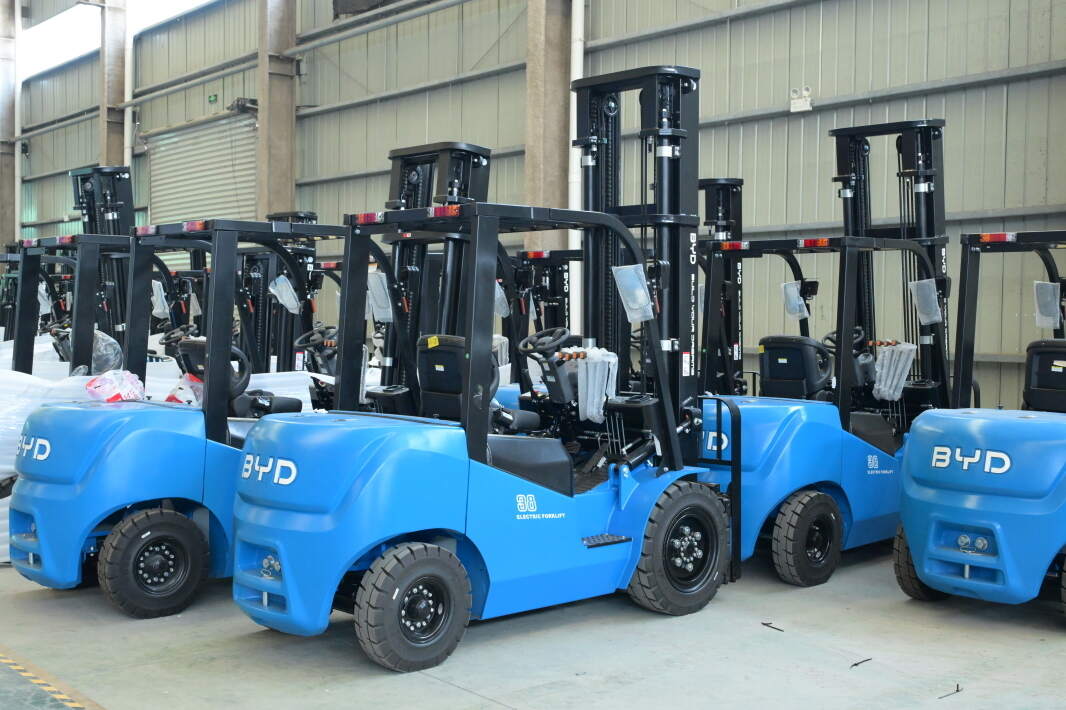
As the logistics and warehousing industry keeps advancing low-carbon operation and refined cost control, electric forklifts have gradually become one of the most widely applied material handling equipment in multiple industrial scenarios. For frontline operators and logistics managers, mastering correct use and management methods can fully release the usage value of such equipment.
Core Functional Advantages of Electric Forklifts
Different from traditional internal combustion material handling equipment, electric forklifts rely on battery power output, which produces no exhaust emissions during operation, and can adapt to closed scenarios including indoor warehouses, food processing workshops and pharmaceutical storage areas. The overall operating noise of qualified products stays at a relatively low level, which will not cause excessive noise interference to the surrounding working environment, and the control system shows friendly operation sensitivity for operators with different experience levels.
Standardized Operation Specifications for Daily Work
Before each startup, operators need to check the remaining power status, the flexibility of the lifting mechanism and the sensitivity of the braking system first, and do not carry out overload handling operations beyond the rated load range. During the driving process, it is necessary to keep a safe distance from surrounding personnel and stacked goods, avoid sharp turns on slippery slopes, and do not lift the load to an excessively high position when driving at normal speed. When the equipment is not in use, the goods should be lowered to the lowest position, the parking brake should be tightened, and the power supply should be cut off in time.
Necessary Daily Maintenance Points
Regularly clean the dust and debris accumulated on the surface of the battery and the heat dissipation structure, check the wear degree of walking tires and the lubrication status of transmission parts, and arrange professional personnel to conduct regular performance tests on core power components according to actual use frequency. When abnormal response or minor faults are found on the equipment, stop the operation for inspection in time, and do not force the equipment to work with faults, so as to avoid further expansion of the fault scope. Appropriate daily management can effectively reduce the overall operating cost and extend the stable service cycle of the equipment.


