
 English
 简体中文
 Русский
 Français
 Português
 Español


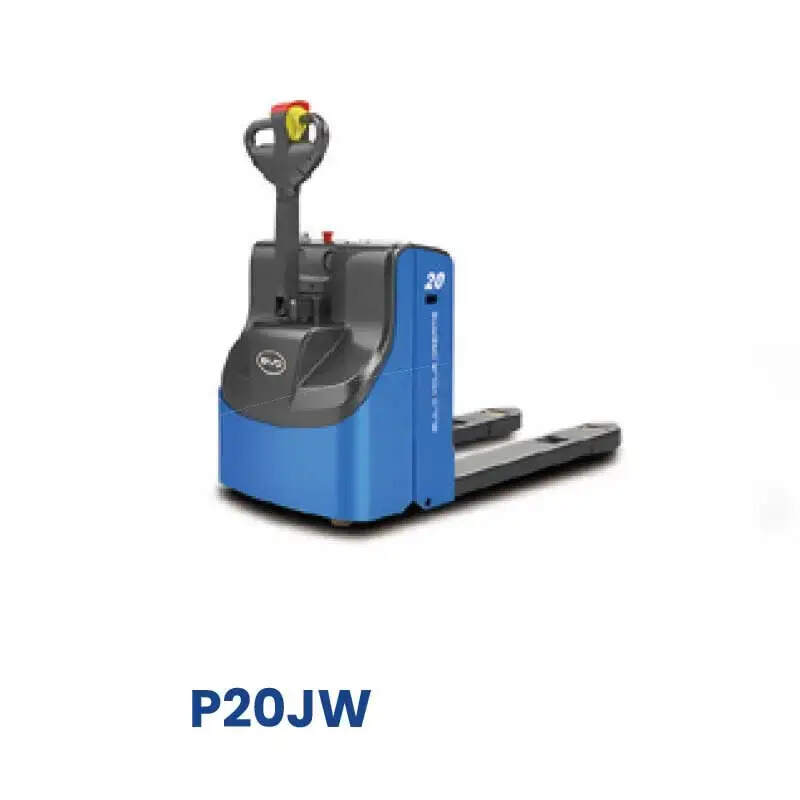
Against the background of continuous growth of low-carbon industrial material handling demands, electric forklifts have become one of the most widely used transport tools in warehouses, manufacturing workshops and distribution hubs. Many frontline operators and equipment management teams still lack systematic cognition of standard usage rules, which may lead to unexpected equipment wear and unneeded operation risks.
Core Pre-operation Inspection Specifications
Before starting any daily operation, operators need to complete a full range of basic checks to confirm the equipment is in normal status. The checking scope covers the battery output performance, braking system response sensitivity, fork surface deformation condition, all operation lever flexibility and warning lamp working status. Any minor abnormality found in the inspection process should be reported to management team in time, and operators should not start operation with hidden risks.
Scientific Routine Maintenance Suggestions
Standardized daily maintenance can effectively reduce equipment fault probability and extend the overall service life of electric forklifts. Operators should follow official requirements to complete battery charging and discharging, avoid long-term over-discharge or overcharge, and keep the battery compartment dry and clean at all times. The body surface and ventilation gaps should be cleaned regularly to avoid accumulated dust affecting heat dissipation performance, and scheduled professional calibration of core components should be arranged according to the actual operation frequency.
Operation Optimization for Better Efficiency
In actual working scenarios, operators need to adjust driving speed according to the load weight and site environment, slow down in narrow channels and turning areas, and avoid frequent sudden acceleration or sudden braking. Reasonably plan the material handling route to reduce unnecessary empty driving mileage, which can lower overall energy consumption and further improve the unit time operation efficiency. Following these standardized operation and maintenance rules can help the equipment management team obtain more stable operation performance, and better adapt to the diversified material handling demands of different industrial scenarios.


