
 English
 简体中文
 Русский
 Français
 Português
 Español


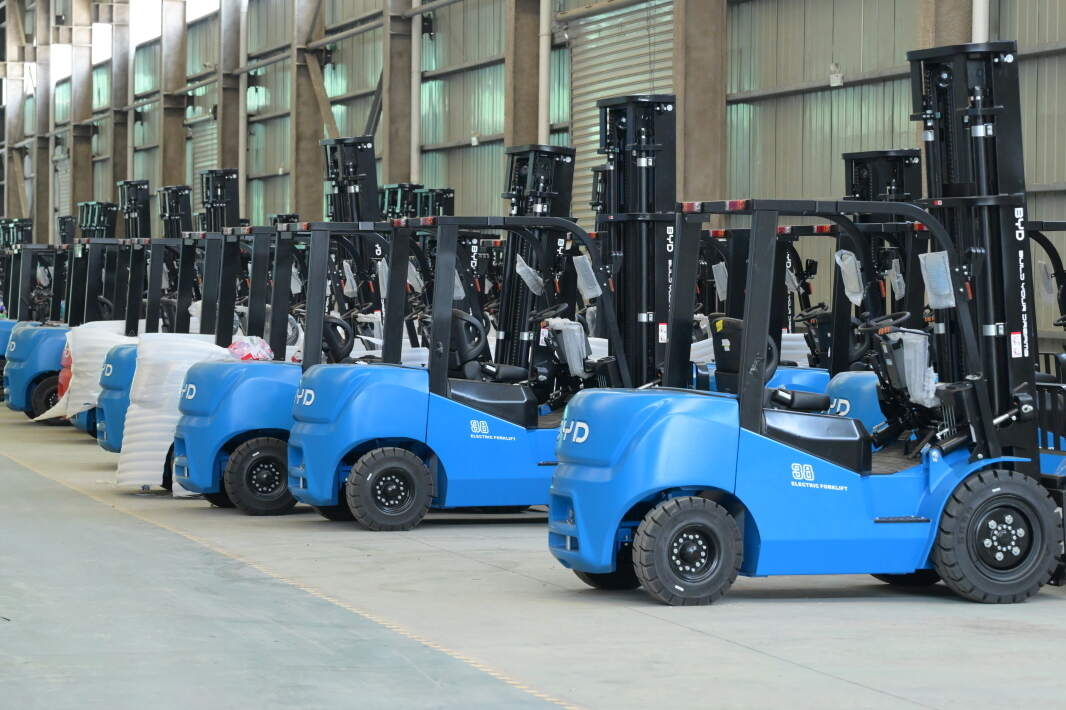
With the wide application of low-carbon material handling solutions in modern logistics and warehouse sectors, electric forklifts have gradually become one of the most popular handling equipment for indoor operation scenarios, since they produce zero local emissions and generate lower operating noise compared with internal combustion counterparts. Mastering correct use and management rules can help operators give full play to the performance of the equipment, and avoid unnecessary wear and safety risks during daily work.
Core Operating Specifications for Daily Use
Before formal starting, operators need to complete full pre-operation checks, including confirming the remaining power level of the power system, checking the flexibility of lifting and steering mechanisms, and verifying the normal state of braking and safety warning components. During the operation process, operators should adjust the driving speed according to the ground condition and the load weight, keep the load goods stably stacked on the forks, and avoid sudden steering or emergency braking when carrying heavy loads. It is also not recommended to carry over-weight goods beyond the rated load range for a long time, which may cause irreversible damage to the load bearing structure.
Routine Maintenance Points to Extend Service Life
Daily maintenance work does not require complex professional operation, and can be completed by trained on-site management personnel. After each shift, operators need to wipe the surface of the equipment body, clean up the dust and debris accumulated on the walking wheel and the mast structure, and check the connection state of the power interface. Regular charging should follow the standard rules of the battery system, avoid over-discharging the battery to extremely low power level for multiple times, and place the equipment in cool and ventilated area for charging to avoid high temperature environment affecting the service life of the battery pack. Regular inspection of lubrication points can also reduce the friction loss of moving parts, and keep the equipment in stable working state for a long time.
Scenario Adaptation and Safety Notes
For different indoor working scenarios, operators can adjust the working parameters of the equipment appropriately to adapt to the actual demand. For narrow aisle working environment, operators can reduce the driving speed properly to avoid collision with surrounding shelves or passing personnel. For wet ground scenarios, operators should avoid long time operation to prevent water from entering the electrical component connection area. All relevant operation personnel need to complete regular safety training, strictly follow the operation process, and establish standardized daily management rules to reduce the occurrence of potential safety risks.


