
 English
 简体中文
 Русский
 Français
 Português
 Español


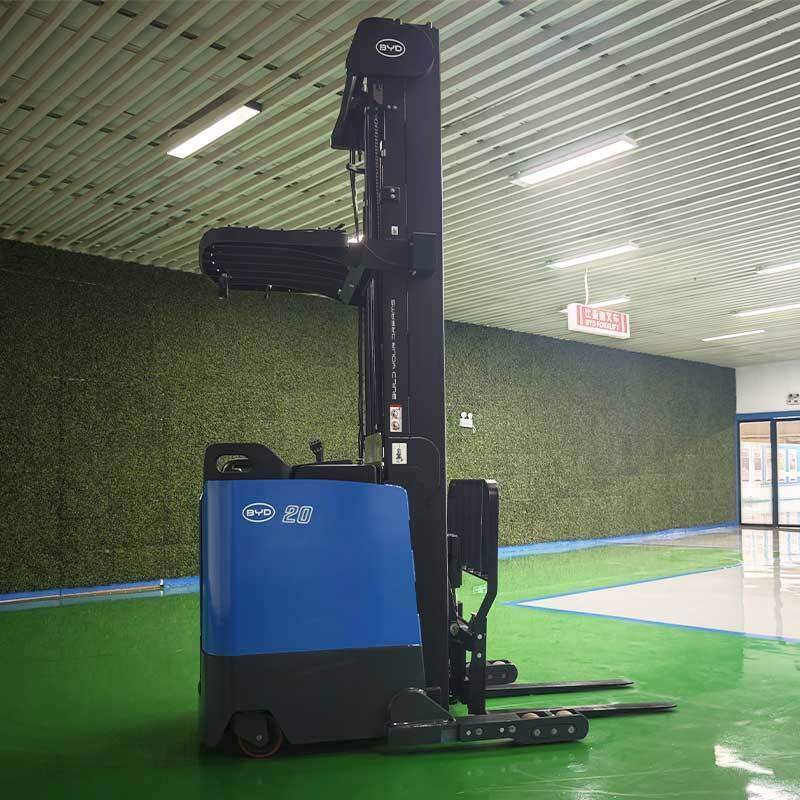
With the continuous promotion of low-carbon logistics and intelligent warehousing, electric forklifts have become one of the most widely used material handling equipment in various industrial scenarios, bringing lower noise emission and more flexible operation experience compared with internal combustion counterparts. Many new operators and warehouse managers still lack systematic cognition of proper usage rules, which may lead to unnecessary equipment wear, hidden safety risks and higher long-term operation cost.
Core Daily Operation Best Practices
In daily operation, operators should complete pre-use inspection before starting the equipment, including checking the remaining power level, the flexibility of lifting and steering components, and the integrity of safety warning accessories. During the operation process, it is necessary to keep the load center within the allowable range marked on the equipment nameplate, avoid sudden steering or sharp braking when carrying heavy cargos, and do not allow personnel to stand or walk under the lifting forks at any time. When the equipment is running at a low speed in narrow aisles, operators should keep focused on the surrounding environment to avoid collision with shelves, personnel or other logistics facilities. Operators should also avoid long time continuous full load operation, to prevent the core electrical components from overheating under long time high strength working status.
Routine Maintenance Protocols
Regular reasonable maintenance can effectively extend the service life of electric forklifts and reduce unexpected downtime. After each shift, operators should wipe the surface of the equipment, clean up the dust and sundries accumulated on the motor and battery surface, and charge the equipment in accordance with the specified requirements in the designated ventilation area. Professional maintenance personnel should conduct regular inspection of the electrical circuit, wear degree of walking wheels, and lubrication status of transmission components every fixed cycle, replace the aged wearing parts in time, and record all maintenance details for subsequent reference. All maintenance operations should follow the official operation specification provided by equipment manufacturers to avoid misoperation causing unnecessary damage.
Necessary Safety Management Notes
Warehouse managers should arrange regular professional skill training for all operators, confirm that all personnel participating in the operation have mastered the correct operation methods before they can independently use the equipment. It is not recommended to modify the core configuration of the equipment without professional guidance, so as to avoid damage to the original performance and safety design of the product. Reasonable operation and maintenance rules can help enterprises give full play to the performance advantages of electric forklifts, create more stable and efficient material handling conditions for daily warehouse work.


