
 English
 简体中文
 Русский
 Français
 Português
 Español


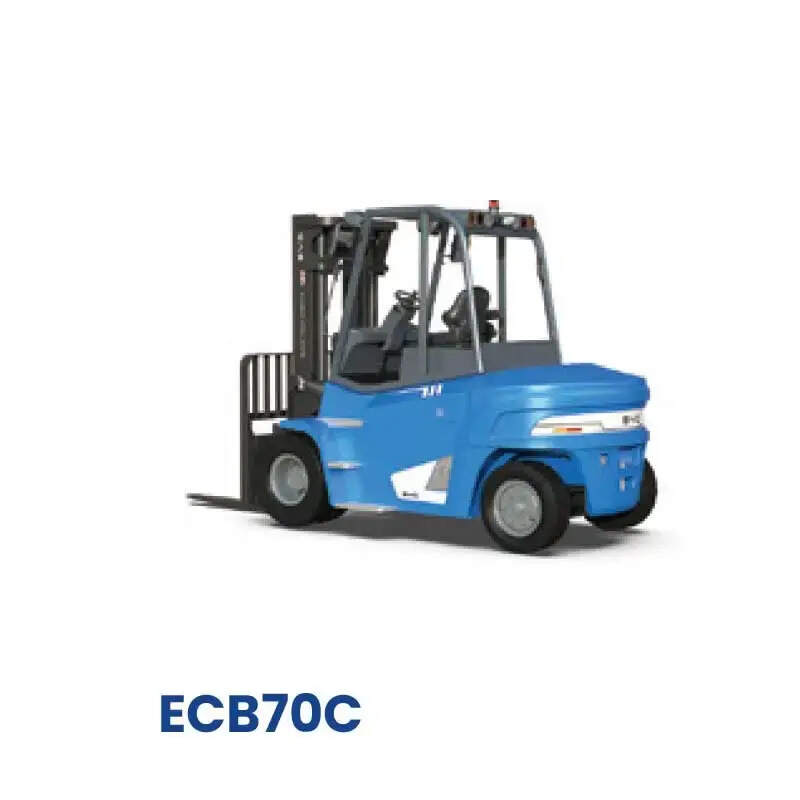
In recent years, electric forklifts have gradually become a mainstream choice for material handling in various industrial scenarios, with their low noise, low operation cost and eco-friendly features winning wide recognition from logistics and manufacturing practitioners. To help operators get more value from this type of equipment, the following professional analysis covers core practical points that are easy to ignore in daily use.
Core Performance Characteristics of Modern Electric Forklifts
Different from internal combustion counterparts, electric forklifts rely on power battery packs to provide driving and lifting power, with no exhaust emission during operation, which makes them suitable for long-time indoor closed operation scenarios. Most newly launched electric models also adopt optimized power output systems to adjust torque output dynamically according to load weight, avoiding unnecessary energy consumption during no-load operation, and further extending the single-charge working duration under conventional workload. The overall vibration level during operation is also kept at a relatively low range, which can reduce the long-term physical burden of operators to a certain extent.
Standardized Operation Guidelines for Daily Use
Before starting each shift, operators need to check the residual power of the battery, the flexibility of the lifting and steering system, and the working status of safety protection components including emergency stop buttons and warning lights. During operation, operators need to avoid sharp steering and sudden brake when carrying heavy loads, and keep the lifting mast at a proper low height when moving on a flat site to avoid tipping risks. For operation on ramp sites, operators should keep the load facing the uphill direction, and avoid turning on the ramp to prevent potential accidents. Operators should also avoid parking the equipment on the ramp for a long time without fixed measures.
Practical Routine Maintenance Suggestions
Daily maintenance work does not require complex professional skills, and operators can complete most of the checking and adjustment work at the end of each shift. It is recommended to wipe the dust and sundries on the surface of the battery and body shell every day after the shift, check the tightness of the connecting parts of the tire and the braking system, and charge the battery according to the specified operation instructions to avoid over-discharging or over-charging which may affect the service life of the battery. Regular professional inspection by technicians can identify hidden problems of the power system in advance, reducing unexpected downtime during peak working periods.
Scene Adaptation Notes for Special Working Conditions
For scenarios with frequent access and exit of goods and high operation intensity, users can arrange the charging schedule reasonably according to the actual workload to ensure continuous operation efficiency. For humid or dusty operation scenarios, it is suggested to carry out targeted protection for key electrical components, and increase the frequency of cleaning and inspection to avoid sundries affecting the normal operation of the system. Corresponding adjustment of operation parameters according to site conditions can help the equipment maintain stable working state for a longer time.


