
 English
 简体中文
 Русский
 Français
 Português
 Español


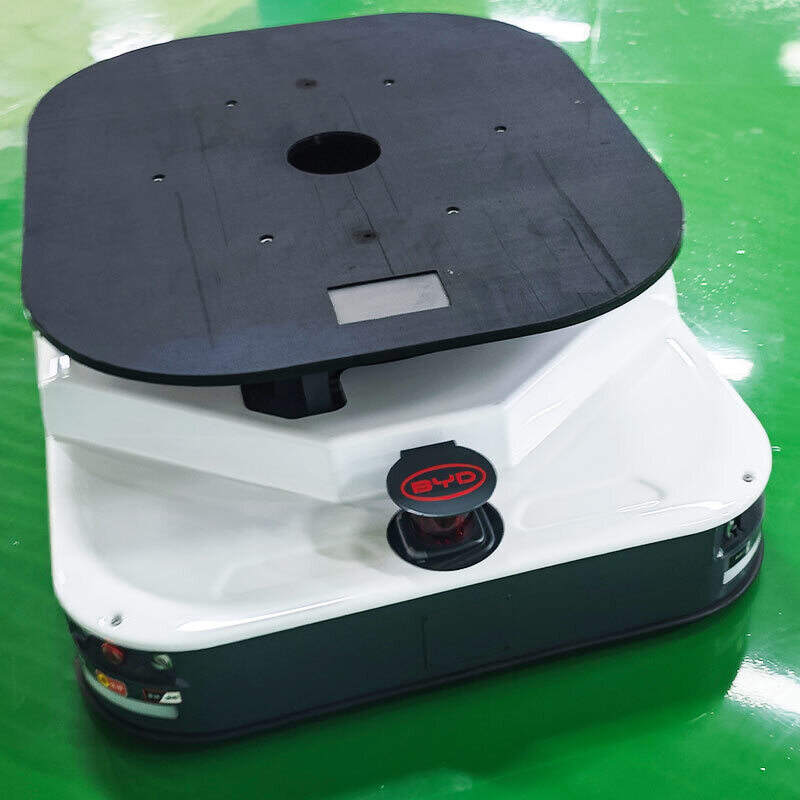
With the continuous upgrading of modern logistics and warehouse operation modes, electric forklifts have become one of the most widely applied material handling equipment in various industrial scenarios for their low noise, zero local emission and flexible operation characteristics. Reasonable mastery of related use knowledge can help relevant staff give full play to the use value of such equipment.
Core Performance Advantages of Electric Forklifts
Compared with internal combustion counterparts, electric forklifts generate no exhaust emissions during operation, which is more suitable for closed warehouse spaces, food processing workshops and other scenarios that have strict requirements for indoor air quality. The noise level of normal operation is far lower than that of fuel-powered equipment, which can effectively reduce noise interference to on-site operators and surrounding office areas, and help create a more comfortable working environment for frontline staff. The power system of electric forklifts usually has fewer vulnerable moving parts, so the overall failure probability is relatively lower in the case of standardized use.
Standardized Daily Operation Specifications
Operators need to receive systematic professional training before taking up the post, and fully grasp the load limit, turning radius and operation response characteristics of the equipment before formal driving. Before each shift, staff need to check the power status of the battery, the flexibility of the braking system, the integrity of the lifting mechanism and the normal operation status of the light warning components. During operation, operators should avoid sharp steering, sudden acceleration and overloading, and keep a safe distance from surrounding personnel and storage shelves to reduce the risk of collision.
Routine Maintenance Guidance
Carrying out standardized daily maintenance can effectively reduce the failure rate of electric forklifts and extend the overall service cycle of the equipment. After each use, the surface of the vehicle body and the dust accumulated in the ventilation position of the motor can be cleaned in time to avoid blockage of the heat dissipation channel. The battery needs to be charged in accordance with the specified operation process, and long-term over-discharge or over-charging should be avoided to maintain the stable performance of the power system. Regularly check the wear degree of walking wheels and the lubrication status of each transmission component, and replace the worn parts in time when abnormal conditions are found.
Scenario-based Efficiency Optimization Suggestions
For different application scenarios, reasonable adjustment of the use strategy of electric forklifts can better release the use value of the equipment. For high-intensity continuous sorting scenarios in large-scale distribution centers, you can configure a sufficient number of backup batteries to realize quick battery replacement, so as to reduce the downtime caused by charging. For narrow aisle operation scenarios, select equipment with appropriate body size and turning radius to improve the space utilization rate of the warehouse.


