
 English
 简体中文
 Русский
 Français
 Português
 Español


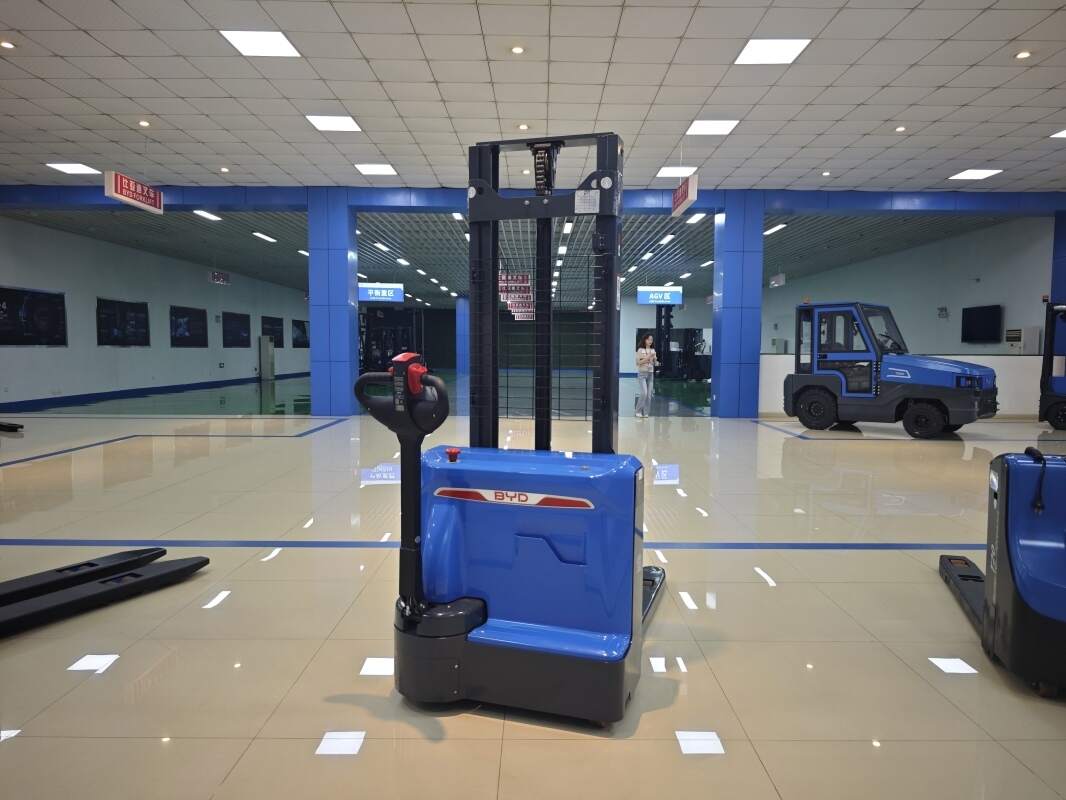
In recent years, electric forklifts have become a mainstream choice for indoor and enclosed space material handling operations, thanks to their low noise, zero on-site emissions and relatively low long-term operating cost attributes. Many operation teams still lack systematic and standardized operation and maintenance guidelines, which may lead to unexpected downtime and increased unnecessary wear of core components, affecting the overall operation efficiency of the whole handling system.
Core Daily Operation Specifications
For daily operation, operators are suggested to complete a full pre-start check before each shift, including confirming the flexibility of lifting and steering functions, checking the remaining power level, and clearing obstacles in the planned operation route. Avoid long time sudden acceleration or emergency braking during the driving process, do not carry over the rated load for a long time, and keep the load fork at a proper low height when driving on ramps or uneven ground to avoid slipping and falling of goods. Do not park the equipment in areas with accumulated water or high temperature exposure for a long time, to prevent damage to the internal electrical components.
Routine Preventive Maintenance Arrangements
Scientific regular maintenance can effectively extend the service life of electric forklifts without causing extra unnecessary cost input. For power systems, operators should follow the official guidance to complete charging operations in a standard environment, avoid deep over-discharge of the battery pack, and check the tightness of the connecting terminals regularly to prevent poor contact. For the walking and hydraulic system, regularly remove the dust and debris accumulated on the surface of the motor and heat dissipation structure, check the oil level of the hydraulic oil tank, and replace the worn sealing parts in time according to the actual usage frequency. Check the wear degree of solid or pneumatic tires every fixed cycle, and replace the tires in time when the tread wear reaches the preset warning line, to avoid abnormal vibration during driving.
Scenario-based Efficiency Optimization Strategies
For different application scenarios, targeted adjustment of operation habits can further improve the overall utilization efficiency of electric forklifts. In narrow aisle storage scenarios, operation teams can plan the pick-up and delivery routes in advance to reduce unnecessary repeated turning and waiting, and turn on the low-power standby mode when the equipment is idle for a short time. For low temperature cold storage scenarios, take targeted preheating measures before long time continuous operation, to avoid the sharp drop of power performance caused by low ambient temperature. For heavy load concentrated handling scenarios, arrange reasonable shift rest time for the equipment, to avoid continuous high load operation causing excessive temperature rise of the core components. Following the above operation and management specifications, logistics and industrial operation teams can make full use of the advantages of electric forklifts, reduce unexpected downtime, and create more stable and efficient material handling conditions for the whole production or storage system.


