
 English
 简体中文
 Русский
 Français
 Português
 Español


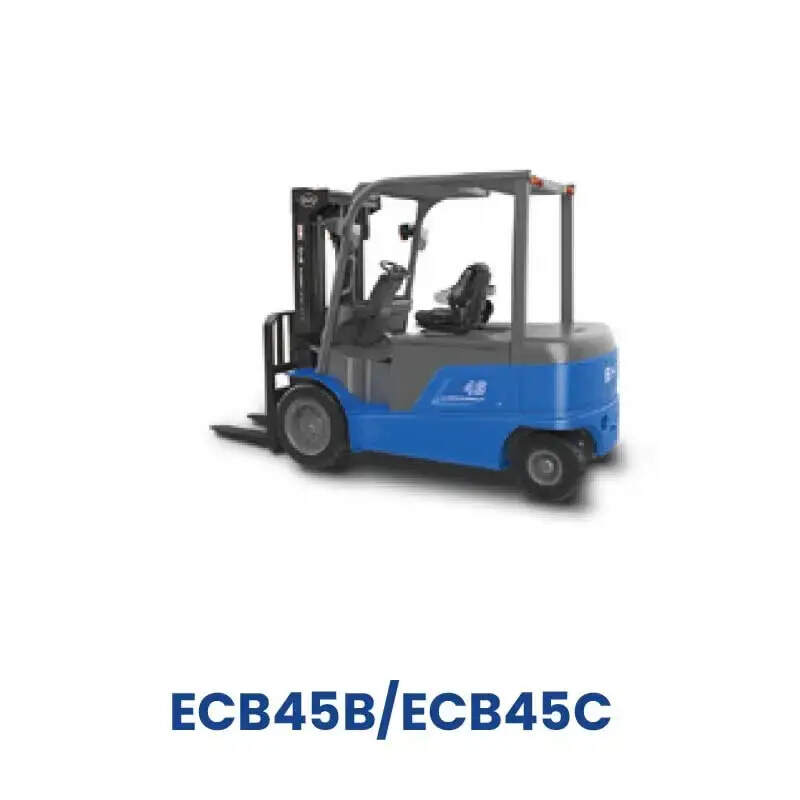
As the logistics industry continues to pursue low-carbon operation and stable operational efficiency, electric forklifts have become one of the most widely applied material handling equipment across different industrial scenarios. Unlike traditional internal combustion counterparts, their operation logic and management requirements carry unique features that need to be fully understood by relevant practitioners to maximize their value in daily work.
Core Advantages of Electric Forklifts in Modern Warehousing
This type of equipment produces almost no exhaust emission during operation, which fits the requirements of enclosed indoor storage spaces that have strict air quality management rules. The overall noise level during operation is also far lower than fuel-powered models, which reduces disturbance to on-site staff and lowers the risk of work-related fatigue caused by long-term exposure to high-noise working environments. Most models adopt modular power systems that reduce unnecessary mechanical friction during operation, bringing relatively stable power output for different loading and transportation tasks. The flexible body design also makes the equipment suitable for narrow working aisles commonly seen in small and medium-sized warehouses.
Standardized Daily Operation Protocols
Before starting each shift, operators need to conduct a full inspection of core components including the brake system, lifting mechanism, tire condition and remaining power level, to rule out hidden risks in advance. During actual operation, staff need to keep the load within the rated load range at all times, and avoid sudden acceleration or sharp turning actions when carrying high-positioned goods to prevent side slipping or falling of items. When the equipment is running at a low speed in narrow warehouse aisles, operators need to keep full attention to the surrounding passing pedestrians and stacked obstacles to avoid unnecessary collision. After each work shift, the equipment should be parked in the designated area, the lifting forks should be lowered to a horizontal position close to the ground, and the power supply should be fully cut off before leaving.
Routine Maintenance Tips to Extend Service Life
The regular cleaning of the body surface, especially the dust and accumulated sundries in the heat dissipation part of the power system, can avoid abnormal temperature rise during long-time continuous operation. For the power storage unit, staff should follow the official charging specification to complete the charging process, and avoid long-term power loss storage that may damage the overall performance of the unit. Regular check of the connecting parts of the hydraulic lifting system can help find slight leakage or loose connection in the early stage, and reduce the probability of sudden failure during peak working hours. Following these scientific maintenance steps can help keep the equipment in good working condition for a long time, bringing more stable operation performance for daily material handling work.


