
 English
 简体中文
 Русский
 Français
 Português
 Español


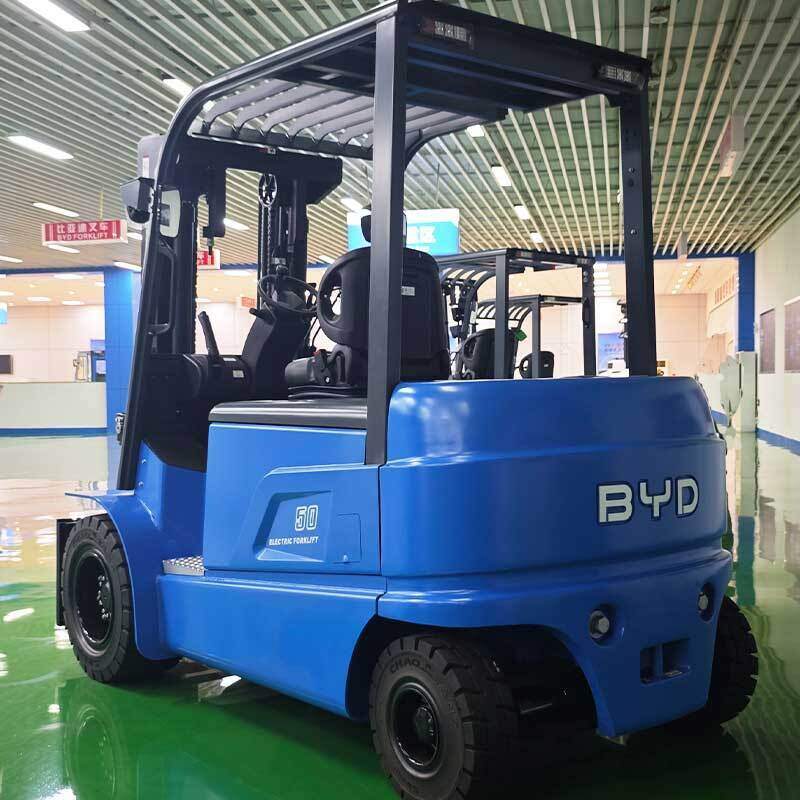
Electric forklifts have been widely adopted across modern logistics, manufacturing and warehousing sectors in recent years, as low-carbon operation requirements and refined cost control awareness rise in different industrial scenarios. As a senior practitioner with years of experience in this field, this guide breaks down practical, evidence-based professional knowledge for operators, equipment managers and related practitioners to reference in daily practical work.
Core Working Principles of Modern Electric Forklifts
Unlike internal combustion counterparts, standard electric forklifts rely on stored electrical energy to drive walking and lifting systems, with power transmission completed through matched motor and control modules. The whole operation process produces almost no tail gas emission, and the overall noise level is significantly lower than fuel-powered equipment, making it more suitable for indoor closed working spaces such as ordinary warehouses, food production workshops and pharmaceutical storage areas.
Key Standard Operation Specifications
Before each shift of operation, operators need to check the remaining power level, the flexibility of braking and steering systems, and the integrity of load forks and lifting structures first. During the operation process, users need to keep the load center within the specified range of the equipment bearing mark, avoid sharp turning under high load status, and do not lift or lower goods at an excessive speed to avoid accidental tilting of materials. Operators with formal training qualifications are suggested to operate the equipment strictly in line with the operation process defined in the official manual.
Practical Daily Maintenance Suggestions
Standard daily maintenance work can effectively reduce the failure rate of electric forklifts and extend the overall service cycle of core components. Users are suggested to wipe the equipment body surface regularly, clean the dust accumulated on the surface of the motor and heat dissipation module every fixed working cycle, and complete charging operations in strict accordance with battery management requirements to avoid over-discharge or over-charging behavior. Regular inspection of wiring terminal connections can also effectively avoid potential safety hazards caused by poor contact.
Scenario Matching Optimization Methods
Different types of electric forklifts can adapt to different working scenarios, and reasonable matching can significantly improve the overall efficiency of material handling. For narrow aisle warehouse scenarios, users can choose equipment with small turning radius to make full use of storage space, while for long-distance frequent handling scenarios, users can prioritize models with larger battery capacity to reduce operation interruption caused by frequent charging.


