
 English
 简体中文
 Русский
 Français
 Português
 Español


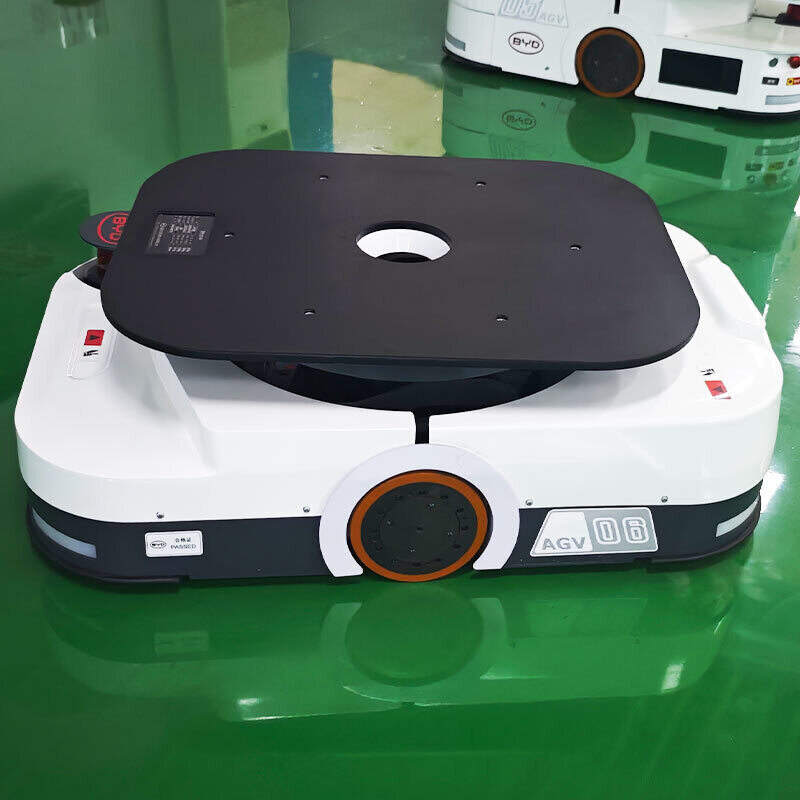
Against the backdrop of accelerating low-carbon transformation in the industrial logistics sector, electric forklifts have gradually become one of the most widely used material handling equipment in closed operation scenarios such as modern warehouses, cold chain storage, and factory workshops. Mastering the core application rules of this type of equipment can help operation teams fully leverage its functional value in daily work.
Core Application Scenario Characteristics of Electric Forklifts
Compared with traditional internal combustion handling equipment, electric forklifts produce no exhaust emissions at the operation site, and the overall operation noise is kept at a relatively low level, which can effectively reduce the interference to the working environment of surrounding staff. Its low-vibration operation mode can also reduce the risk of collision and damage to fragile goods such as electronic components and food products during the handling process, and it can normally adapt to the temperature requirements of most constant temperature and cold storage scenarios without additional modification.
Standard Daily Maintenance Specifications
Carrying out targeted daily maintenance work according to the operation frequency can effectively prolong the stable service cycle of the equipment. Operators can check the tightness and cleanliness of the power interface before starting the vehicle every day, observe the wear degree of the walking wheel surface, confirm the sensitivity of the braking system and the smoothness of the hydraulic lifting system, and record the abnormal situation found in the inspection in time for subsequent processing. When the equipment is not used for a long time, it is necessary to keep the power battery at a reasonable charge level, and regularly start the equipment to run for a short distance to avoid the performance attenuation of core components caused by long-term static storage.
Key Points of Standardized Safe Operation
All personnel who operate electric forklifts need to receive corresponding professional operation training before taking up their posts. During the operation process, the load weight should be controlled within the rated load range marked by the equipment, and the vehicle speed should be reduced in time when turning or passing through narrow channels. When carrying out high-position picking and placing operations, the vehicle body should be kept in a horizontal state, and the staff should not stand under the suspended lifting goods. Operators should avoid lateral driving on sloped roads, and set up obvious warning signs in the operation area to remind unrelated personnel to avoid entering the working range of the equipment without permission. After long-term standardized application and maintenance, electric forklifts can bring stable and reliable handling support for the logistics transfer link of industrial sites, and further promote the overall operation efficiency of the entire warehouse logistics system.


