
 English
 简体中文
 Русский
 Français
 Português
 Español


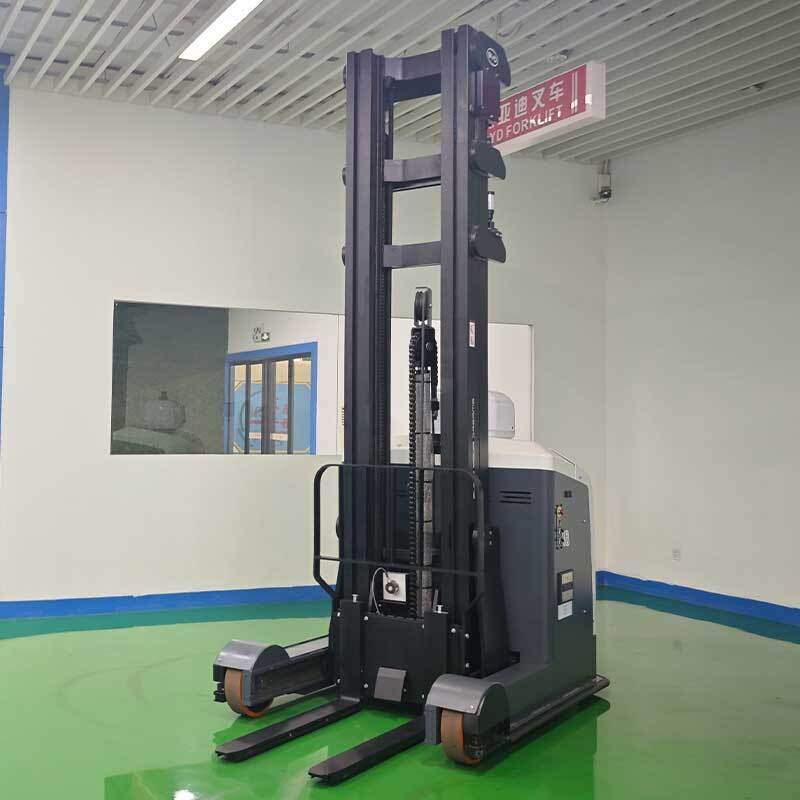
With the widespread promotion of low-carbon operation concepts in the global industrial logistics sector, electric forklifts have gradually become a core piece of supporting equipment for material handling in most indoor warehouses, production workshops and enclosed cargo storage areas. For frontline operators and logistics managers, mastering systematic application rules and operation knowledge of such equipment can effectively improve daily work efficiency and reduce unnecessary operation risks.
Applicable Scenarios for electric forklift Deployment
Unlike traditional internal combustion handling equipment, electric forklifts produce no exhaust emissions during operation, with far lower working noise, which makes them more suitable for scenarios that have strict requirements for environmental cleanliness, such as food processing workshops, pharmaceutical storage areas and electronic component warehouses. Their relatively stable output power can meet most conventional cargo handling demands within the load design range, and the optimized body structure can also adapt to narrow aisle operation conditions in high-density storage warehouses, bringing more flexible layout choices for the planning of internal storage areas.
Standardized Daily Operation Guidelines
Relevant personnel need to receive systematic pre-job training before operating electric forklifts, and complete a full inspection of core components before each use, including the braking system, power display status, steering flexibility and wear degree of the forks. During the operation process, operators need to control the driving speed according to the on-site environment, honk in advance when turning or crossing the aisle, avoid overloading beyond the rated load, and keep the lifted goods at a low safe height when moving, to prevent the risk of cargo falling and unexpected collisions with the upper shelf structure.
Practical Routine Maintenance Tips
After each use, operators should charge the equipment in time according to the remaining power level, avoid frequent deep discharge which may shorten the service life of the power system. It is also necessary to regularly clean the dust and residual sundries on the body and gaps of the forks, check the sealing performance of the hydraulic system and the wear degree of the tires on a regular basis. Once abnormal operating sound or delayed response of components is found, relevant professional personnel should be arranged for troubleshooting in time, and the equipment should not be operated with potential faults, so as to reduce unnecessary subsequent maintenance cost and extend the overall service cycle of the equipment.


