
 English
 简体中文
 Русский
 Français
 Português
 Español


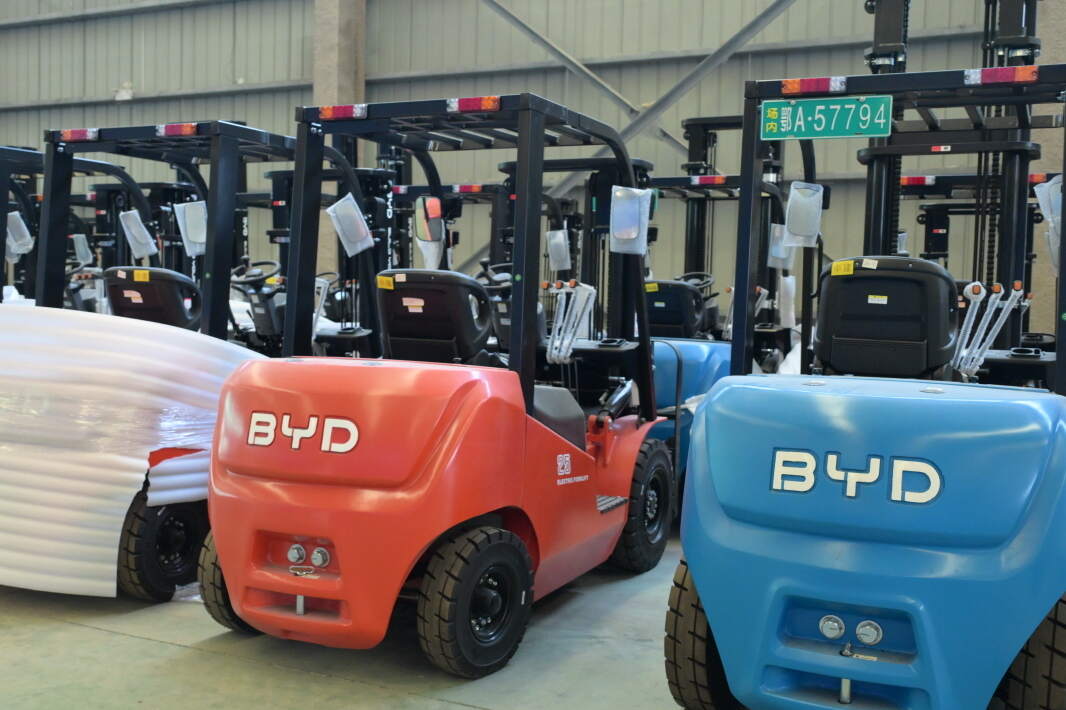
As one of the core power-assisted equipment for modern indoor material handling, electric forklifts have been widely applied in various logistics, manufacturing and retail storage scenarios in recent years. Mastering the correct use and maintenance methods can help enterprises give full play to the value of the equipment, reduce unnecessary operation loss, and create more stable operation benefits for daily material handling work.
Core Functional Advantages of Electric Forklifts
Compared with traditional internal combustion handling equipment, electric forklifts produce no exhaust emissions during the whole operation process, and the overall operating noise is kept at a low level, which can meet the environmental protection and health requirements of closed working spaces such as food storage workshops, pharmaceutical warehouses and fresh product sorting centers. Its daily energy consumption cost is far lower than the fuel cost of internal combustion equipment, and there is no need to handle complex fuel storage and exhaust gas treatment procedures, which reduces the comprehensive management difficulty of the operation site.
Standard Daily Operation Guidelines
Before each start-up, operators need to check the remaining battery power, brake sensitivity, and the flexibility of the lifting gantry to confirm that there is no abnormal hidden trouble before formal operation. In the process of driving, operators should strictly control the driving speed according to the site environment, avoid overloading the goods beyond the rated load, do not turn on the slope, and do not use the fork to carry people to avoid safety risks. When the equipment is out of service for a long time, the main power switch should be disconnected to avoid unnecessary power loss.
Routine Maintenance Suggestions
In daily maintenance, users need to regularly check the electrolyte level of the power battery, avoid using conductive metal to directly contact the two poles of the battery, and arrange professional personnel to clean the dust and residual debris on the surface of the body and the heat dissipation structure regularly. The rotating and connecting parts of the equipment can be lubricated on a regular basis to reduce the wear of mechanical structures. It is recommended to carry out a full-system safety inspection every 3 months, which can effectively extend the service life of the equipment.
Scenario Adaptation Optimization Tips
For different specific operating scenarios, users can adjust the use parameters of the equipment appropriately. For high-level picking scenarios, operators can pre-adjust the limit height of the lifting gantry to avoid accidental collision with the shelf. For narrow channel operation scenarios, it is recommended to give priority to using the compact body operation mode to improve the flexibility of turning. For low-temperature cold storage scenarios, the corresponding low-temperature adaptive battery accessories can be selected to reduce the impact of low temperature on battery performance.


