
 English
 简体中文
 Русский
 Français
 Português
 Español


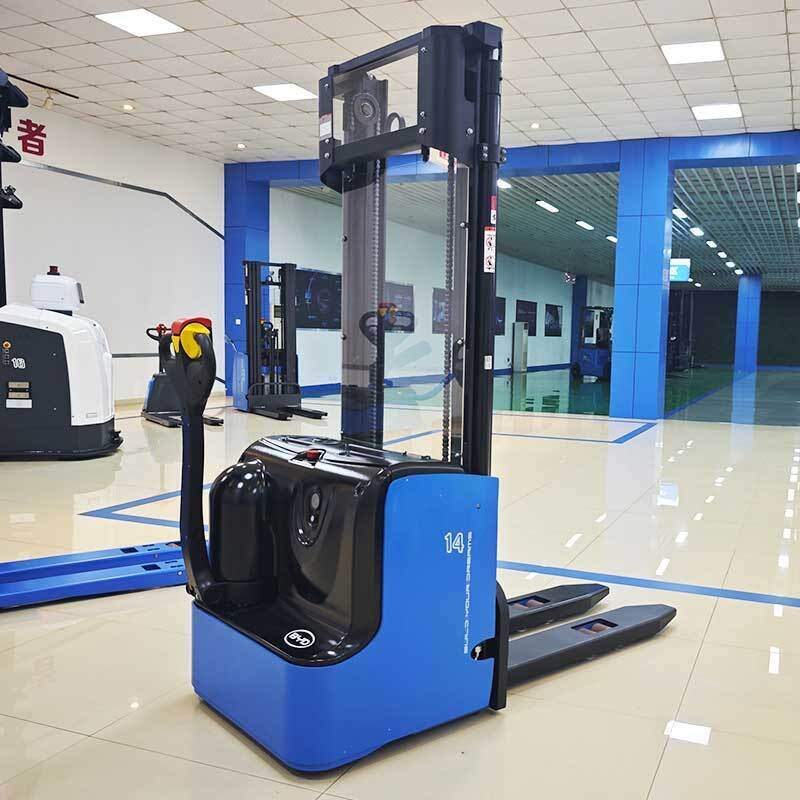
With the continuous development of modern logistics and warehousing industries, electric forklifts have become one of the most widely used material handling equipment in various industrial scenarios, favored by users for their low noise and relatively low operating cost. This guide sorts out practical, field-verified professional knowledge for operators and warehouse managers to reference for daily work.
Core Advantages of Electric Forklifts in Daily Scenarios
Compared with traditional internal combustion handling equipment, electric forklifts produce no local exhaust emission during operation, which can better adapt to enclosed warehouse spaces with high environmental requirements. Their whole power system runs with lower vibration, creating a more comfortable working environment for operators, and the energy consumption cost per unit of operation is generally more competitive under long-term high-frequency use. The structure of the whole equipment is relatively simplified, with fewer wearing parts related to power output, which can reduce unnecessary downtime in normal use.
Standard Daily Operation Specifications
Before starting each shift, operators need to check the remaining power of the battery, the flexibility of the steering system, the braking performance and the normal operation of the lifting mechanism first, to confirm that no abnormal hidden dangers exist before formal operation. During the handling process, the load weight should be controlled within the rated load range marked on the equipment body, and avoid sharp turning or sudden braking when carrying heavy goods, to prevent the goods from slipping or the equipment from tipping over. When driving on ramp areas, keep the load facing the uphill direction to maintain the stability of the vehicle body, and do not carry out lifting or lowering operations of goods in the driving state as much as possible.
Practical Routine Maintenance Suggestions
The core power component of electric forklifts is the storage battery, users should follow the official rated charging parameters to finish the charging process, avoid over-discharging the battery for a long time, and keep the surface of the battery clean and dry to prevent leakage of current caused by accumulated dust. It is recommended to check the wear degree of tires every 200 hours of operation, adjust the tightness of transmission parts regularly, and add suitable lubricating oil to the movable connection positions of the hydraulic lifting system. After long periods of high-intensity use, professional technical personnel can be arranged to inspect the internal circuit system to avoid aging of exposed lines.
Key Safety Precautions for Stable Use
All operators need to receive corresponding professional training before taking up the post, get familiar with the operation logic of different functional modules of the equipment. It is not recommended to modify the safety protection devices on the forklift body without permission, including the speed limiter, the height limit device of the gantry and the warning light system. When the equipment breaks down unexpectedly, operators should park the vehicle in a designated safe area, cut off the main power supply in time, and notify professional maintenance personnel to handle the fault instead of disassembling the internal components without relevant professional qualifications, so as to avoid unnecessary safety risks.


