
 English
 简体中文
 Русский
 Français
 Português
 Español


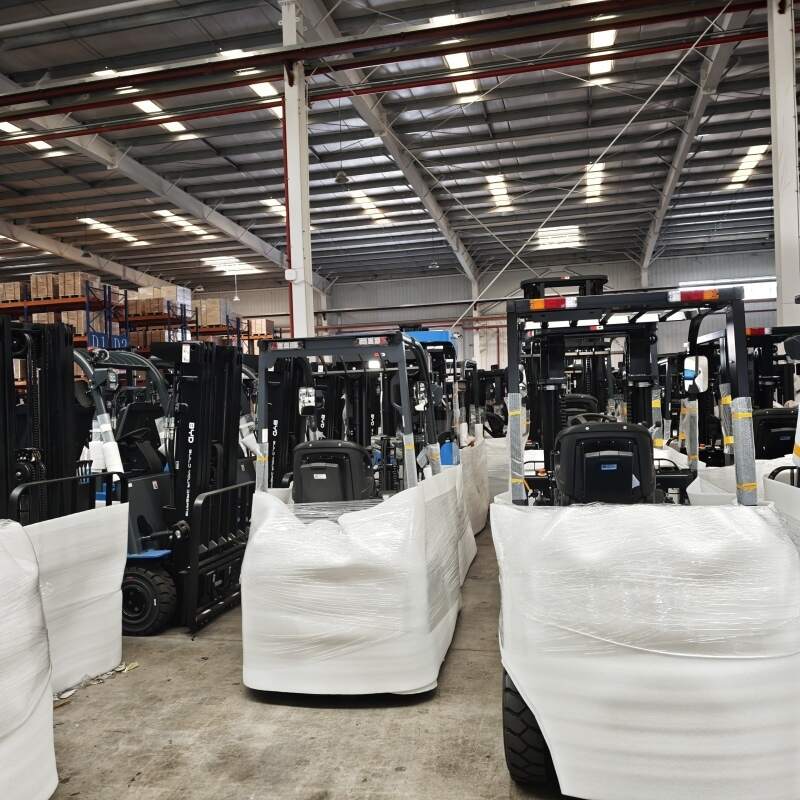
As the demand for low-carbon, high-efficiency indoor logistics operations continues to rise, electric forklifts have become one of the most widely adopted material handling equipment across different industrial scenarios. Mastering correct usage and management methods can help enterprises give full play to the equipment’s performance and create higher operational value.
Core Application Advantages of Electric Forklifts
Different from fuel-powered industrial vehicles, electric forklifts produce no exhaust emissions at the working site, and operate with far lower noise levels during the whole working cycle. Such features make them highly suitable for closed indoor scenarios such as food storage workshops, electronic component warehouses, and pharmaceutical distribution centers, where strict requirements are set for working environment hygiene and noise control. The whole structure of electric forklifts is relatively compact, which can adapt to narrow channel operation requirements in intensive storage layouts, and leave more available space for goods placement.
Standardized Operation Specifications for Daily Use
Before each startup, operators need to complete basic pre-check procedures, including confirming the remaining battery level, testing the flexibility of brake and steering system, and checking the integrity of load forks and surrounding safety protection structures. During the operation process, operators should avoid overloading beyond the rated load capacity, slow down significantly when turning, and keep a safe distance with surrounding shelves, personnel and other operation equipment. It is not recommended to adjust the internal control system of the equipment without professional guidance, and operators should cut off the main power supply in time after finishing the daily work to avoid unnecessary power consumption and potential safety risks.
Routine Maintenance Tips to Prolong Equipment Service Life
Regular daily maintenance can effectively reduce the failure rate of electric forklifts and extend their overall service cycle. For the core power battery component, users should follow the official charging specifications, avoid frequent overcharging or deep discharging, and check the electrolyte level regularly for lead-acid battery models. It is also necessary to clean the dust and debris attached to the motor heat dissipation channel regularly, add lubricating oil to the transmission and walking components according to the specified cycle, and arrange professional personnel to troubleshoot minor abnormal problems in time, so as to avoid small defects evolving into larger failures that will affect normal operation. By combining standardized operation and scientific daily maintenance, electric forklifts can maintain stable working condition for a long time, and provide reliable support for all kinds of material handling work.


