
 English
 简体中文
 Русский
 Français
 Português
 Español


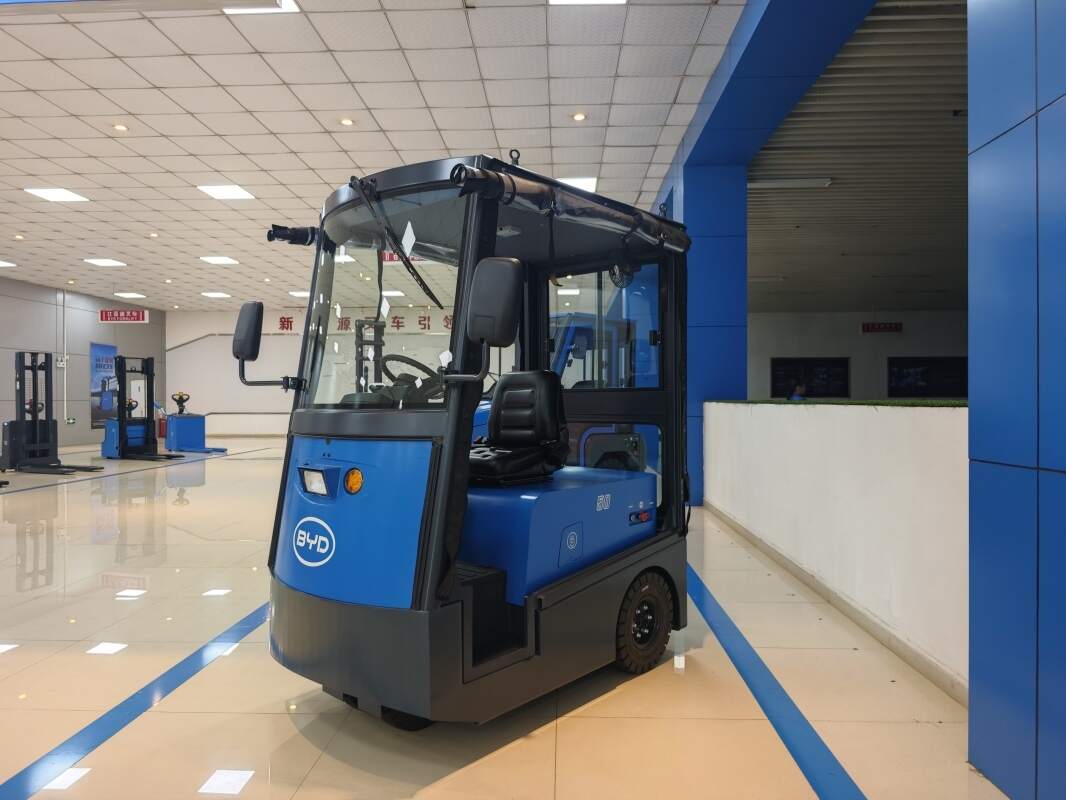
With the continuous promotion of low-carbon operation concepts in modern industrial and logistics sectors, electric forklifts have occupied a larger proportion in indoor closed scenarios, cold storage and other working conditions that have high requirements for zero-emission and low noise. This article sorts out targeted practical professional knowledge for front-line operators and equipment management personnel for reference.
Basic Operation Specifications for Electric Forklifts
Before starting the device, operators need to check the remaining battery power, brake sensitivity, control lever flexibility and the integrity of the safety warning device, to avoid potential safety hazards caused by missing checks. During the operation process, it is not allowed to exceed the rated load capacity for handling goods, the vehicle should keep a low driving speed on wet or uneven ground, and no sharp steering action is allowed when the goods are lifted to a high position. It is also not allowed to stand or walk under the lifted goods, to avoid unnecessary safety risks.
Core Points of Daily Routine Maintenance
After each operation cycle, operators can wipe the dust, cargo residue and sundries on the surface of the vehicle in time to prevent sundries from entering the gap of the transmission parts and causing abnormal wear. It is necessary to regularly check the connection part of the power battery, remove the possible oxidation layer on the contact point, and regularly add lubricating oil to the rotating and transmission parts of the walking wheel and steering wheel. Users should also avoid keeping the battery in a fully depleted state for a long time, which can effectively reduce the attenuation rate of the battery performance.
Usage Efficiency and Cost Optimization Suggestions
According to the layout of the working site, operators can reasonably plan the driving path of the electric forklift, reduce unnecessary empty driving distance, and select the corresponding operation gear according to the actual load weight, so as to reduce unnecessary power consumption. After the daily operation is completed, the equipment should be parked in the designated ventilated and dry area, avoid long-term exposure to extreme high or low temperature environment, which can effectively extend the overall service life of the equipment, and reduce the comprehensive operation cost in the long term.


