
 English
 简体中文
 Русский
 Français
 Português
 Español


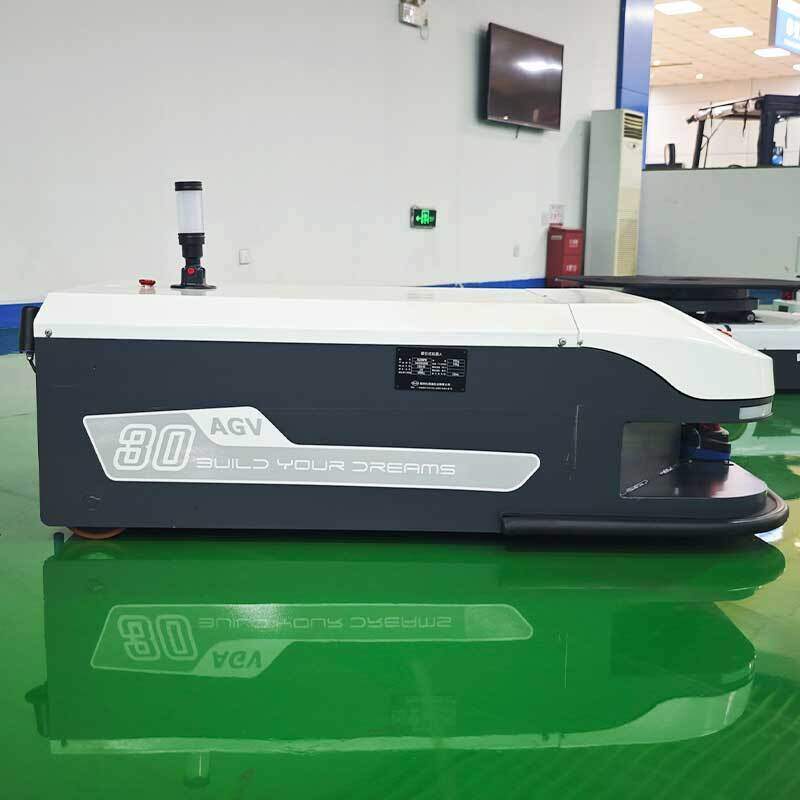
Against the backdrop of growing demand for low-carbon, low-noise material handling solutions in modern industrial and warehouse scenarios, electric forklifts have become one of the most widely deployed handling equipment for indoor operation. A systematic grasp of relevant professional knowledge can help relevant personnel give full play to the performance of the equipment, reduce unnecessary operating costs, and improve the overall safety level of on-site operation.
Core Safe Operation Specifications
Before each startup, operators need to complete a series of basic checks, including remaining power level, brake response sensitivity, lifting structure flexibility, and whether the cargo pallet is placed stably. During the operation process, personnel need to follow the specified load limit requirements, avoid sharp steering at high speed, slow down in dense pedestrian areas, and honk to remind surrounding personnel when the line of sight is blocked. It is not recommended to extend any part of the body under the cargo guard frame, and keep the mast properly tilted back when transporting heavy cargo to maintain the overall stability of the vehicle.
Routine Maintenance Guidelines
For the power system, it is recommended to avoid full discharge before charging, and keep the battery power between 40% and 60% when the equipment is not used for a long time. Operators need to regularly clean the dust and debris accumulated on the heat dissipation parts of the motor, check the liquid level of the hydraulic oil every fixed cycle, and replace the corresponding wearing parts in time when the tire wear degree reaches the preset warning line. Any unauthorized modification of the original circuit structure of the equipment is not recommended, which may lead to unexpected safety risks.
Scenario-based Efficiency Optimization Suggestions
For different application scenarios, personnel can adjust the use mode of electric forklifts according to actual conditions. For narrow aisle warehouses, the operation route can be planned in advance to match the turning radius parameters of the equipment, so as to reduce the waiting time caused by repeated steering. For low-temperature cold storage scenarios, corresponding low-temperature resistant configuration can be selected to adapt to the special operating environment. Arranging reasonable rest and charging gaps for long-time continuous operation can effectively avoid the performance attenuation caused by overloaded operation of the equipment. Regular skill training for operators can also reduce the operation loss caused by misoperation. Following the above operation and maintenance rules, enterprises can effectively extend the service life of electric forklifts, control the overall operation and maintenance cost, and further improve the efficiency of the whole material handling link.


