
 English
 简体中文
 Русский
 Français
 Português
 Español


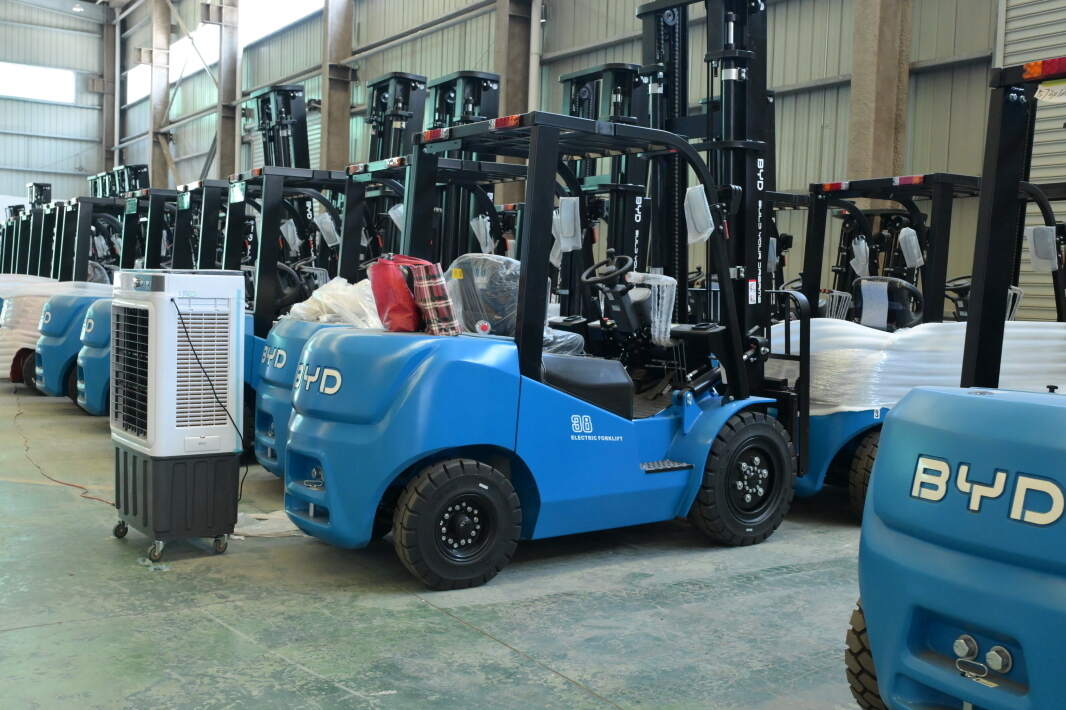
With the continuous popularization of low-carbon logistics solutions across different industrial sectors, electric forklifts have become one of the most widely applied core equipment for indoor and semi-outdoor material handling scenarios. Mastering correct operation and maintenance skills can help operators give full play to the equipment’s advantages, avoid unnecessary downtime and reduce hidden safety risks in daily work.
Core Safe Operation Protocols for Daily Use
Before each shift starts, operators need to complete a full visual and functional check, including testing the brake sensitivity, remaining battery level, fork wear condition and lighting system status, to make sure no hidden defects exist before formal operation. During the moving process, operators need to keep a proper driving speed matching the specific site condition, pay continuous attention to surrounding pedestrians and stacked goods, and avoid sharp steering on slopes or uneven road surfaces. It is not suggested to exceed the rated load capacity of the equipment in any scenario, as overloading will bring extra pressure to the motor and hydraulic system, and increase the risk of goods slipping off the forks. Operators should also avoid lifting or lowering goods when the vehicle is in moving status, to keep the whole operation process stable.
Routine Maintenance Practices to Prolong Equipment Service Life
The power battery component takes up a large proportion of the total value of electric forklifts, so targeted maintenance work for the battery can effectively avoid unexpected capacity attenuation. Operators should follow the official charging specifications, avoid long time overcharging or completely draining the battery power before recharging, and wipe the dust and stains on the charging interface regularly to keep good contact status. The heat dissipation vent of the motor should be kept away from accumulated dust and sundries, to guarantee stable operation performance even under long time continuous working conditions. The hydraulic oil level and sealing condition of the lifting system also need to be checked at fixed intervals, to avoid oil leakage that may affect the lifting stability.
Energy Efficiency Optimization Strategies to Reduce Long-term Operating Costs
Reasonable pre-planning of the working route before each shift can reduce unnecessary repeated moving distance, so as to lower extra power consumption during operation. When the equipment needs to stay idle for more than 10 minutes, operators can turn off the standby power system instead of keeping the whole machine under full load standby status, which can save a certain amount of electric energy. For different material handling demands with different load weights, it is suggested to select equipment with matching rated load parameters, to avoid unnecessary energy waste caused by using over-sized equipment for small load tasks.


