
 English
 简体中文
 Русский
 Français
 Português
 Español


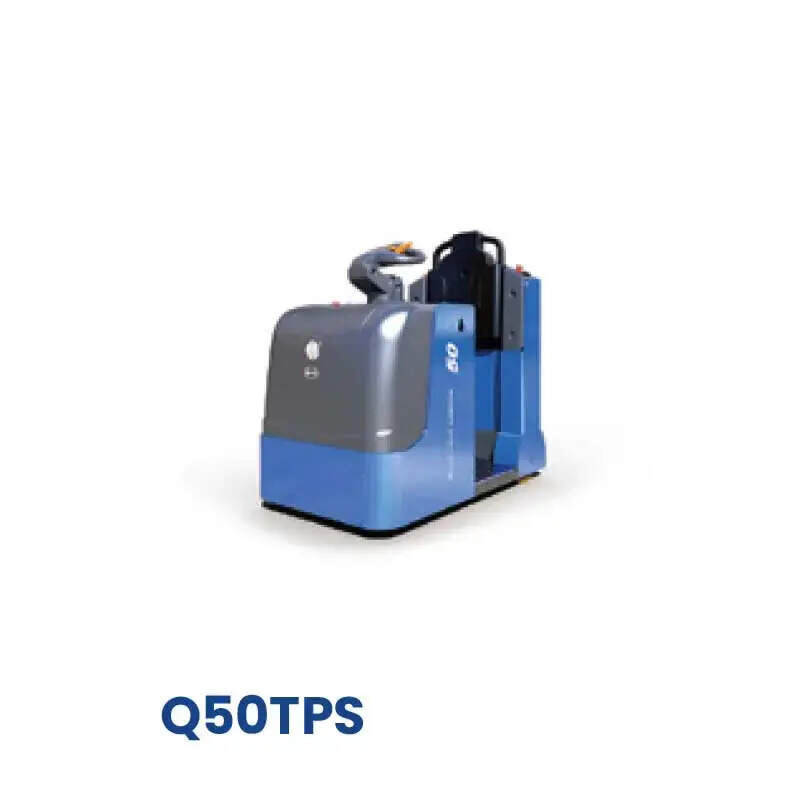
As the core equipment of modern industrial material handling, electric forklifts are widely used in enclosed warehousing, manufacturing distribution stations and light cargo turnover scenarios, their low noise and zero local emission features make them highly applicable for indoor working environments that have strict requirements for operational environment.
Core Pre-Operation Check Protocols for Electric Forklifts
Pre-operation checks are the fundamental step to avoid unexpected operational risks, operators need to verify the remaining power level of the power system, check the tightness of brake components, confirm the flexibility of lifting and tilting mechanisms, and inspect the integrity of warning light and horn devices before each shift. No operation shall be carried out if any abnormal sign is detected during the check process, related problems shall be submitted to management personnel for further processing in time.
Standard Operational Best Practices for Warehousing Scenarios
During daily operation, operators need to adjust travel speed according to on-site space and pedestrian flow, keep stable travel status when carrying elevated cargo to avoid sudden direction change or emergency braking, keep the cargo load within the rated load range marked on the equipment body, and maintain proper safety distance with surrounding shelves, staff and other operating vehicles to reduce unnecessary collision risks. Operators are also required to keep good driving habits and avoid improper operations that may cause extra wear to equipment components.
Routine Maintenance Tips to Extend Service Life
Regular daily maintenance work helps reduce unexpected fault occurrence rate, operators need to clean the dust and sundries attached on the surface of battery and motor components after each shift, regularly check the connection tightness of power line interfaces, avoid long-term over-discharge of the power battery, and arrange professional technical personnel to conduct comprehensive system inspection on a monthly basis to identify potential hidden problems in advance, which can effectively avoid sudden downtime in peak cargo turnover periods.
Energy Efficiency Optimization Strategies for Long-Term Usage
To further improve the overall usage efficiency of electric forklifts, enterprises can arrange reasonable operation routes according to daily cargo turnover volume, avoid unnecessary empty driving trips, set regular rest periods for equipment after continuous long hours of operation, and arrange corresponding skill training for new operators to help them master correct operating habits, so as to create higher operational value for the whole material handling links.


